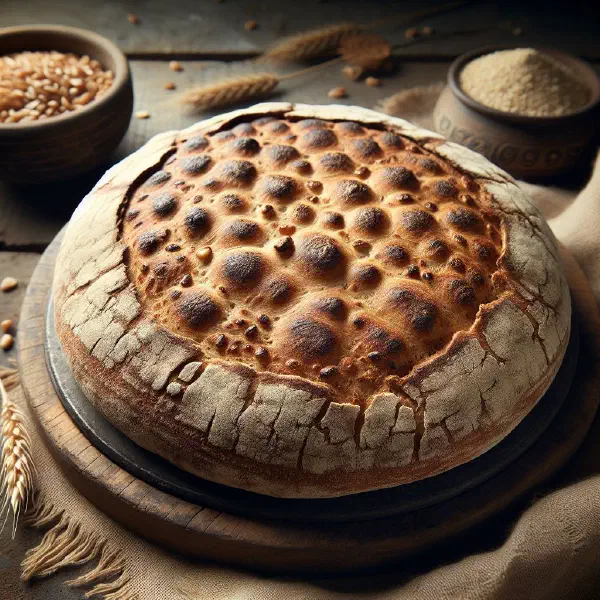
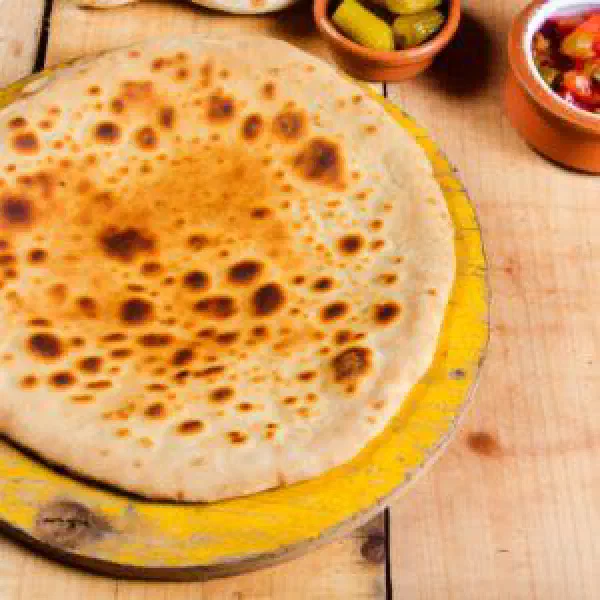
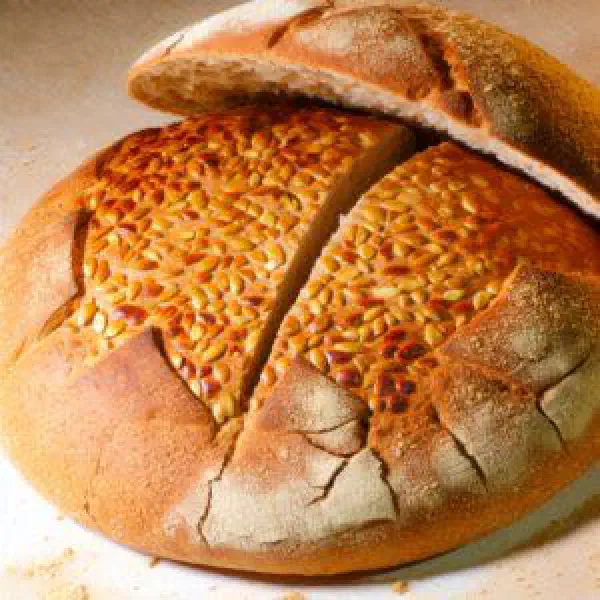
National Dish Egypt: Simit Bread (Recipe)
In this article
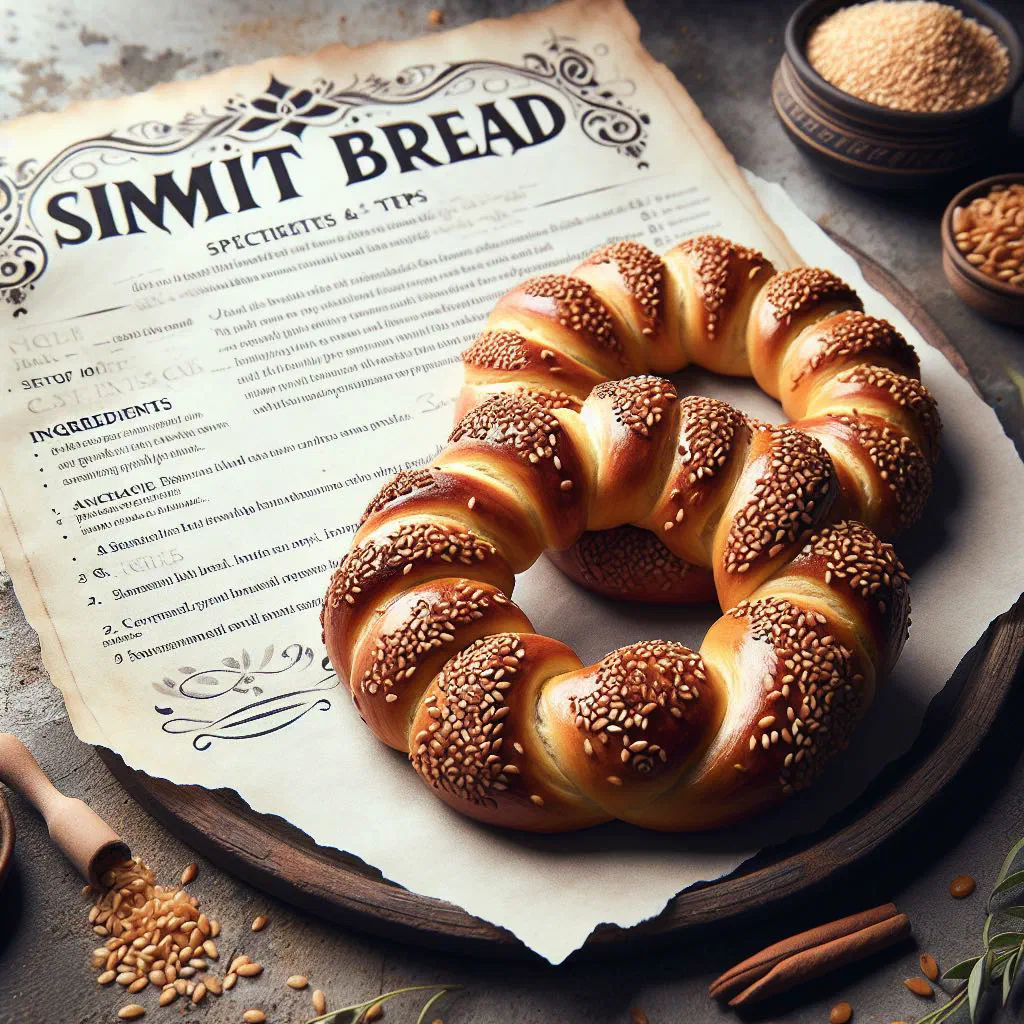
Say hello to Simit Bread, a sesame-crusted ring that fills Egyptian kitchens with the warm scent of fresh baking. Crisp on the outside and pleasingly chewy within, it is the kind of bread that turns a simple breakfast or an afternoon snack into something to look forward to. With a short ingredient list and an easy, satisfying method, this is a recipe that rewards even first-time bakers. Bring a little of Egypt’s everyday charm to your own table.
About Simit Bread
Simit is a traditional Egyptian bread made from a distinctive dough that gives it a wonderfully crisp crust and a satisfyingly chewy crumb. The rings are most often coated in sesame seeds, which add both flavour and a nourishing finish. In Egypt, simit is enjoyed for breakfast or as a snack at any time of day, and it makes an excellent accompaniment to all manner of dishes. Simple to prepare and endlessly versatile, it has earned a firm place in the country’s daily eating.
Ingredients (serves 1–2)
- 250 g plain flour
- 150 ml water
- 1 teaspoon salt
- 1 teaspoon sugar
- 1 teaspoon dried yeast
- 2 tablespoons olive oil
- Sesame seeds, for coating
Shopping for the ingredients
When shopping for the ingredients for simit, it pays to pay attention to the freshness and quality of what you buy. The yeast is especially important, choose a fresh batch that proves well so the dough rises properly. Where you can, reach for organic flour to draw the best flavour and nutrients from your bread. And do not forget the sesame seeds, which give simit its signature look and taste.
Preparing the dish
Before you begin, gather everything you need so the process runs smoothly. Measure out the flour and the water, and keep the remaining ingredients within easy reach. It helps to have all the ingredients at room temperature so the yeast can work at its best. Ideally, let the olive oil and the other components warm to room temperature too, which gives you a better result in the finished loaf.
Step-by-step instructions
- In a bowl, combine the flour, salt, sugar and dried yeast.
- Add the water and olive oil, then knead well until you have a smooth dough.
- Leave the dough to rise in a warm place for about 1 hour, until doubled in size.
- Once risen, divide the dough into small portions and shape each one into a ring.
- Dip the rings in a mixture of water and honey or sugar, then turn them in sesame seeds.
- Place on a baking tray and bake in a preheated oven at 200°C for about 15–20 minutes.
Gluten-free / lactose-free version
For a gluten-free version, use a gluten-free flour blend made specifically for bread baking. Look for a mix that already contains yeast or is designed to work with it, so you still achieve the right texture. Take care to clean all equipment and surfaces thoroughly to avoid cross-contamination. Lactose-free eating is easy here, as the dough contains no dairy at all, and using plant-based oil keeps the bread completely vegan.
Tips for vegans and vegetarians
Simit is naturally vegan, since none of the ingredients are derived from animals. Even so, you can experiment by working different spices or herbs into the dough for added flavour. Just check that staples such as the yeast and olive oil are vegan-friendly. For a special touch, try stirring in dried herbs like oregano or basil before shaping the rings.
More tips and tricks
To make sure your simit browns evenly, give the oven plenty of time to reach temperature before baking. A little steam in the oven helps you achieve a more attractive crust. You can mist water onto the oven floor with a spray bottle during baking to create that steam. This simple technique keeps your bread crisp on the outside while staying soft and tender within.
Adapting the recipe to your taste
This recipe is easy to tailor to your own preferences. If you enjoy a nutty note, fold in chopped walnuts or almonds with the dough. A pinch of cinnamon or nutmeg lends the bread a gently sweet character. Play around with different toppings, too, sesame, linseed or chia seeds each bring their own flavour and let you discover new variations on the classic.
Ingredient substitutions
If you find yourself short of an ingredient, there are usually good alternatives to hand. Swapping the water for milk, for example, gives a richer flavour, much as it does in a comforting bowl of Roz Bel Laban. You can also use fresh yeast in place of dried, adjusting the quantity to suit. For a sweeter loaf, agave syrup stands in nicely for sugar, letting you control the sweetness to taste.
Drink pairing ideas
A warm simit goes beautifully with Egyptian tea or a cup of coffee, both of which complement the rich flavour of the bread and make breakfast or supper feel like a treat. A soothing cup of Mint Tea or fragrant Anise Tea works just as well. You might also pour a fresh juice such as pomegranate or orange juice for a refreshing contrast that rounds out a balanced, harmonious meal.
Serving and presentation ideas
How you serve your simit can heighten the whole experience. Present the rings on a decorative wooden board or a handsome platter that nods to their Egyptian origins. A scattering of fresh herbs or a bowl of Tehina dip alongside makes the spread even more inviting. Simple, rustic crockery underlines the traditional character of the bread and turns the meal into something memorable.
A bit of history
Simit has a history that reaches back through the ages in Egypt. The bread has been prepared in countless variations over the centuries and stands today as a symbol of Egyptian food culture, often associated with special occasions and family gatherings. The cultivation of sesame, one of the oldest crops in the region, is closely woven into the story of Egyptian cuisine and gives this humble loaf its enduring identity.
More recipe ideas
Summary: Simit Bread
In short, simit is an endlessly versatile one, loved by locals and visitors alike. With its crisp exterior and chewy interior, it makes the perfect companion to a great many Egyptian dishes. As a snack or as a side, it is easy to make and offers near-limitless room for variation. Let this delicious bread inspire you and bring a little piece of Egyptian culture to your table.