National Dish Egypt: Taameya (Recipe)
In this article
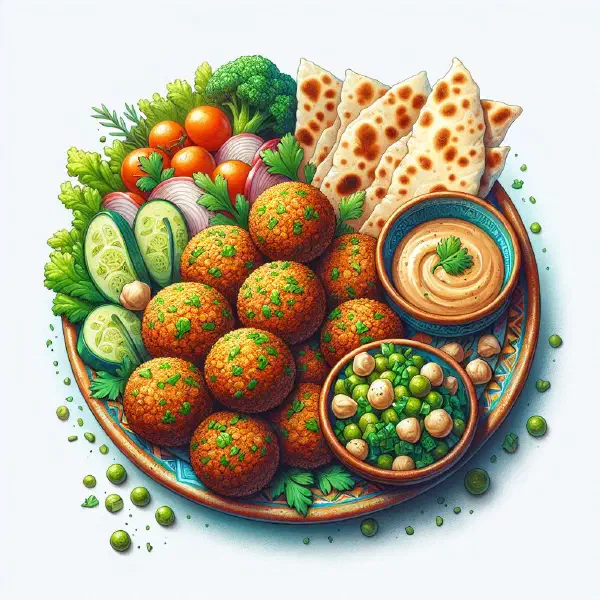
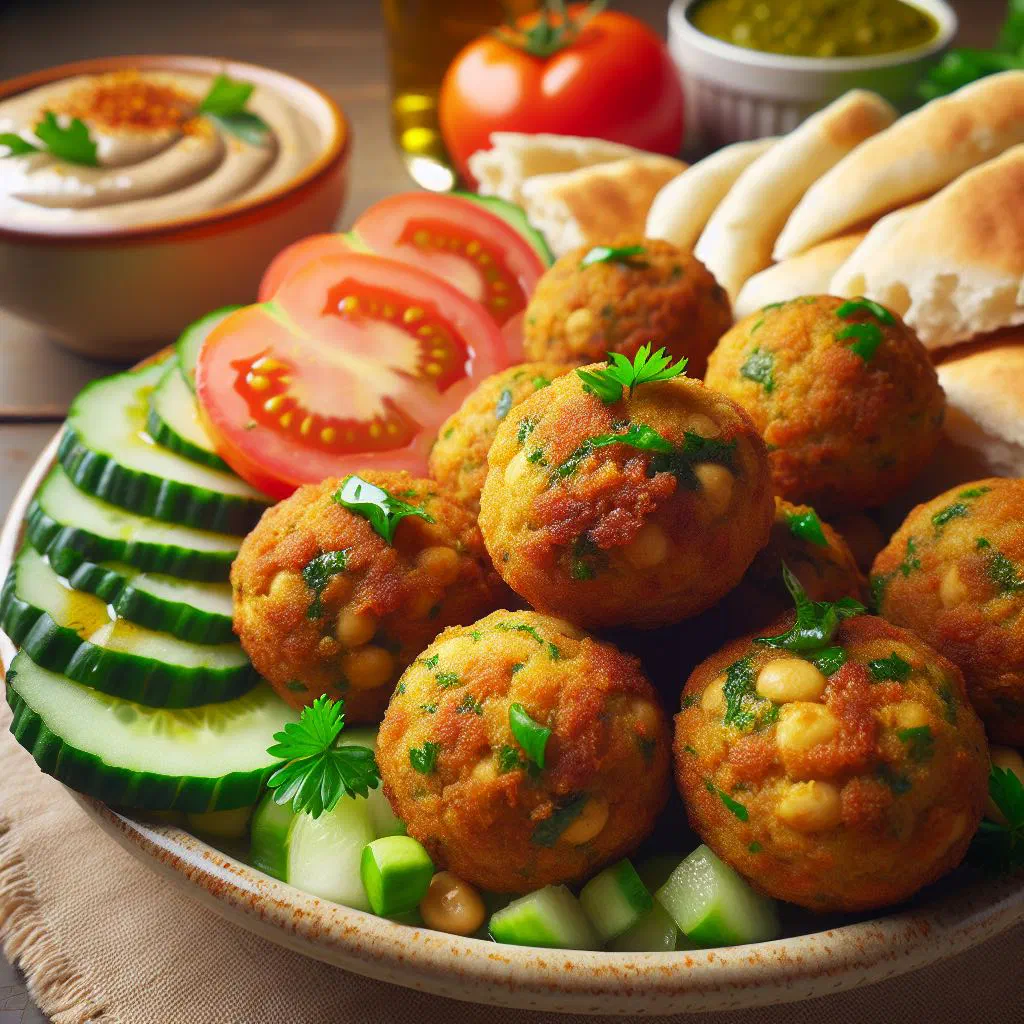
Say hello to Taameya, Egypt’s very good take on falafel. Unlike the chickpea version found elsewhere, this beloved street food is built around fava beans, giving it a wonderfully creamy centre beneath a deeply golden, crunchy crust. Fragrant with fresh herbs and warm spices, it is naturally vegan and endlessly satisfying. Bring a taste of a busy Cairo street corner straight to your own kitchen.
About Taameya
Taameya, often described as Egyptian falafel, is a hugely popular dish that works beautifully as a light meal or a snack. This vegan pleasure is made from ground fava beans and a generous blend of spices and fresh herbs. Where conventional falafel relies on chickpeas, taameya lets the distinctive Egyptian flavour shine through, with a softer, greener interior. It is delicious and nourishing, delivering a welcome dose of plant-based protein in every bite.
Ingredients (serves 1–2)
- 250 g dried fava beans
- 1 onion
- 2–3 garlic cloves
- 1 handful fresh parsley
- 1 handful fresh coriander
- 1 teaspoon cumin
- 1 teaspoon baking powder
- Salt and pepper, to taste
- Oil, for frying
Shopping for the ingredients
When shopping for taameya, it is worth paying attention to the quality of the fava beans. You will find them in most supermarkets or in Middle Eastern grocery shops, much like the staples behind a hearty bowl of Foul Medames. Parsley and coriander are essential herbs that give the dish its bright, fresh flavour. Choosing the freshest produce you can is well worth the effort, as it intensifies the aroma and makes for a wholesome, healthy result.
Preparing the dish
Preparing taameya is a refreshingly straightforward process that takes very little hands-on time. Start by soaking the fava beans overnight in plenty of water so they soften and become easy to work with. The next day, drain the beans thoroughly and add them to a food processor along with the onion, garlic, parsley and coriander. Blitz this mixture into a smooth, homogenous paste that holds together well and is easy to shape.
Step-by-step instructions
- Drain the soaked fava beans and add them to the food processor.
- Add the onion, garlic, parsley and coriander.
- Blend everything until you have a smooth, even consistency.
- Stir in the cumin, baking powder, salt and pepper, then mix again.
- Shape the mixture into small balls or patties.
- Heat the oil in a pan and fry the taameya until golden brown.
- Drain on kitchen paper and serve.
Gluten-free / lactose-free version
Taameya is naturally gluten-free and lactose-free, as it contains no grains and no animal products whatsoever. This makes it an excellent choice for anyone with allergies or intolerances. The one thing to watch is the frying oil, make sure it is pure and free from additives so the dish stays both wholesome and easy to digest. With these simple precautions, taameya remains a safe, nutrient-rich option for almost every diet.
Tips for vegans and vegetarians
Since taameya is already a naturally vegan dish, plant-based eaters can tuck in without a second thought. To boost the flavour, serve it with spiced sauces or on a bed of fresh salad. Vegetarians who eat dairy might add a little feta or a yoghurt dip to ring the changes, much like the cooling dips that accompany a plate of Tabbouleh. Experiment with different herbs and spices to add your own personal twist.
More tips and tricks
When making taameya at home, a few simple tips and tricks will make it even tastier. Use fresh herbs, ideally from your own garden, to heighten the intensity and freshness of the dish. Avoid shaping the patties too large, so they cook through evenly while frying. And if you prefer a lighter, more health-conscious version, you can bake the taameya in the oven instead of deep-frying it.
Adapting the recipe to your taste
It is easy to adapt the taameya recipe to suit your own preferences. Add more spices such as paprika or chilli, for instance, to give the dish a hotter kick. The fillings can vary too, whether with extra vegetables or chopped nuts, the possibilities are almost endless.
Ingredient substitutions
If you do not have every ingredient to hand, there are plenty of substitutions you can rely on. In place of fava beans, you can use chickpeas, which shifts the flavour slightly towards the classic Falafel while keeping the dish every bit as delicious. The herbs are flexible too. Try dill or mint in place of, or alongside, the usual parsley and coriander.
Drink pairing ideas
Taameya pairs wonderfully with refreshing drinks that echo its herbal, spiced notes. A cool mint tea or a classic Egyptian hibiscus tea make excellent companions, as does a glass of cooling Karkadeh. A simple glass of lemon water also helps to balance the flavours. For something with a little fizz, mix sparkling water with citrus fruits to create a bright, palate-cleansing accompaniment.
Serving and presentation ideas
Presentation plays a real part in lifting the whole taameya experience. Serve the fritters on a large platter with fresh salads or vegetables to create a colourful, inviting meal. Small bowls of dips such as hummus or tahini add welcome variety, and a scoop of Baba Ghanoush makes a smoky, satisfying side. Finish by scattering fresh herbs over the plate to give the dish a bright, appetising look.
A bit of history
Taameya has its roots deep in Egyptian cuisine, passed down from generation to generation over many centuries. The fava bean is one of the oldest cultivated crops in the world and remains a staple food in Egypt. In times past, taameya was sold by street vendors and is still regarded today as a much-loved fast food. It is a symbol of Egyptian culture and is steadily winning fans around the globe.
More recipe ideas
Summary: Taameya
In short, taameya is a delicious and nourishing Egyptian dish that is wonderfully simple to make. With the freshest ingredients and aromatic spices, it offers a marvellous combination of flavour and texture. It is perfect as a snack, as a light meal, or as part of a generous buffet. Give it a try and savour the flavours of Egypt in your very own kitchen.