National Dish Egypt: Tabbouleh (Recipe)
In this article
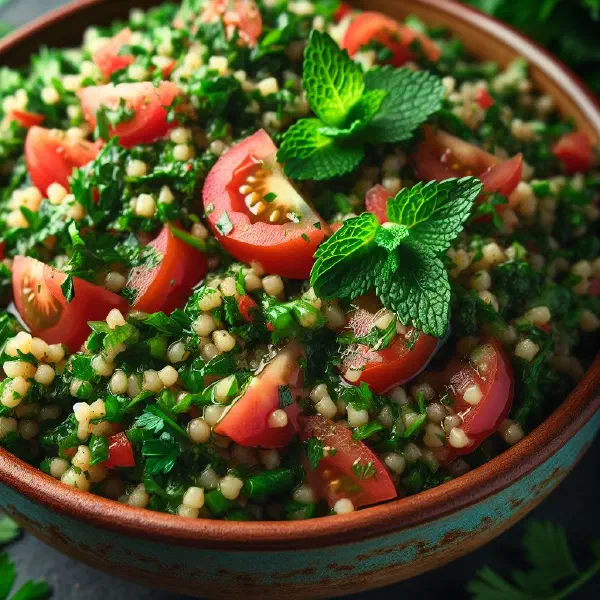
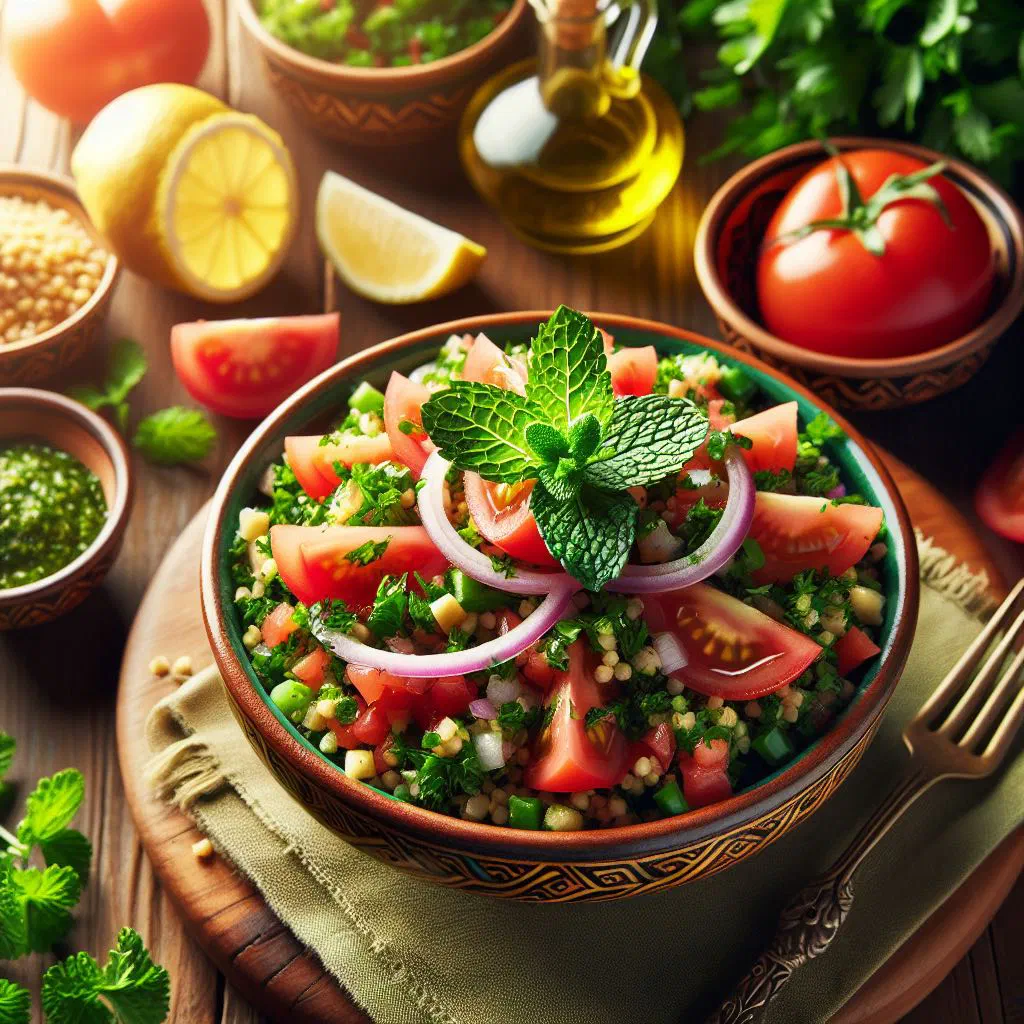
Brighten up your table with Tabbouleh, a wonderfully fresh salad that has long been cherished across Egypt and the wider Middle East. Built around finely chopped parsley, mint, juicy tomatoes and nutty bulgur, it comes together with little more than good olive oil and a generous squeeze of lemon. Light, bright and packed with vitamins, it makes a lovely side dish or a satisfying light main. Perfect for warm days when you want something both healthy and full of flavour.
About Tabbouleh
Tabbouleh is a refreshing salad with its roots in the Middle East, and it is much loved in many countries, Egypt included. Its main components are finely chopped parsley and mint, ripe tomatoes and bulgur, all tossed together in a light lemon and olive oil dressing. Tabbouleh is not only delicious but genuinely good for you, offering a wealth of the vitamins and minerals found in fresh, natural ingredients. It sits comfortably alongside other beloved Egyptian mezze such as Hummus and Baba Ghanoush.
Ingredients (serves 1–2)
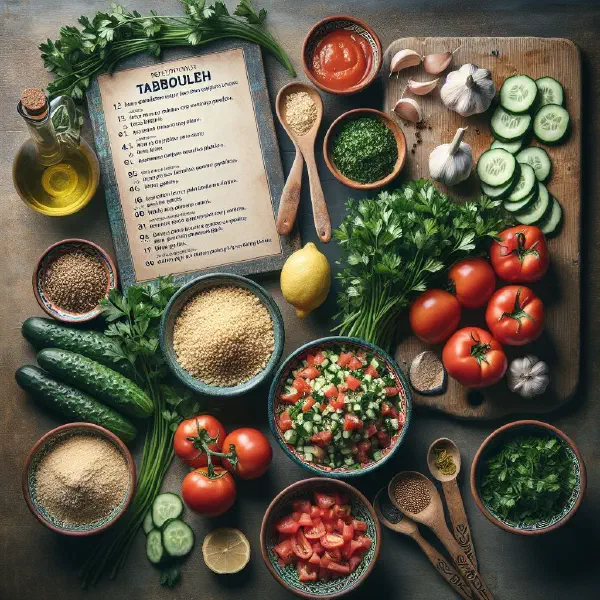
- 1/2 cup bulgur
- 1 cup fresh parsley, finely chopped
- 1/4 cup fresh mint, finely chopped
- 2 tomatoes, diced
- 1/2 onion, finely chopped
- 2–3 tablespoons olive oil
- Juice of 1 lemon
- Salt and pepper to taste
Shopping for the ingredients
When shopping for tabbouleh, it pays to focus on the quality of the fresh herbs and vegetables. Organic produce is the ideal choice, as it is free from chemicals and tends to have a more intense flavour. A good-quality olive oil is just as important for the character of the dressing. With a little forward planning, you can find everything you need in a well-stocked supermarket or at a local farmers’ market.
Preparing the dish
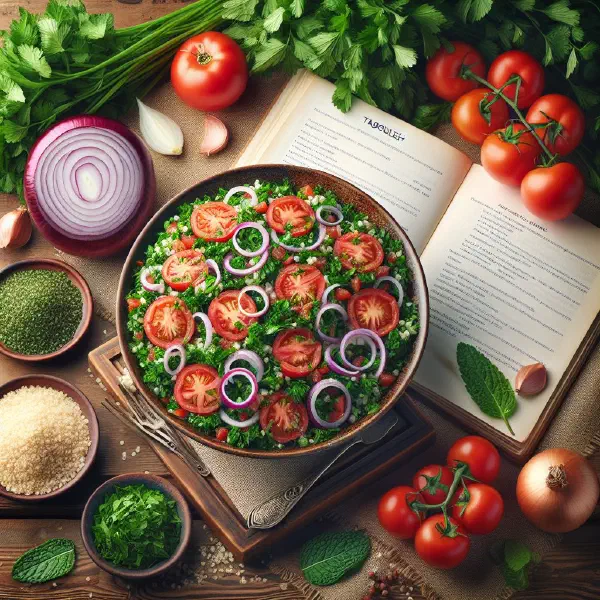
To get started on your tabbouleh, the first step is to wash and prepare all the fresh ingredients thoroughly. The parsley and mint should be chopped as finely as possible so the flavours are spread evenly throughout the salad. The vegetables, particularly the tomatoes and the onion, need to be cut into small, neat dice. Careful preparation cuts down on the overall cooking time and gives you a much more attractive final result.
Step-by-step instructions
- Place the bulgur in a bowl, pour over hot water and leave to swell for about 15 minutes.
- Once it has softened, drain the bulgur and allow it to cool.
- Tip the fresh herbs, tomatoes and onion into a large bowl.
- Add the cooled bulgur and mix everything together well.
- Pour in the olive oil and lemon juice, then season with salt and pepper to taste.
- Chill the salad in the fridge for at least 30 minutes so the flavours can develop.
- Stir well once more before serving and adjust the seasoning if needed.
Gluten-free / lactose-free version
For a gluten-free version of tabbouleh, you can simply use quinoa in place of the bulgur. Quinoa is naturally gluten-free and brings the bonus of being an excellent source of protein. As for a lactose-free preparation, the ingredients in this recipe are already free from lactose, so no changes at all are needed. The dressing stays light and healthy throughout, which only does the salad good.
Tips for vegans and vegetarians
This tabbouleh recipe is vegan from the ground up, which makes it a brilliant fit for plant-based diets. The reliance on fresh herbs and vegetables means vegetarians are equally well catered for. You can keep things completely free of gluten, lactose and animal products by sticking to good-quality plant oils and fresh ingredients. Where possible, choose organically grown herbs to steer clear of any pesticide residues.
More tips and tricks
To get the very best from your tabbouleh, play around with the balance of herbs and vegetables. You might, for instance, swap some of the parsley for coriander to create a different flavour profile. Make sure all the ingredients are well drained so the texture of the salad does not turn watery. Always give the salad a little time to rest, allowing the flavours to mingle and deepen before you serve it.
Adapting the recipe to your taste
If there are certain ingredients you would rather avoid or are allergic to, tabbouleh is wonderfully adaptable. You could add cucumber or peppers, for example, for an extra hit of freshness. The quantity of herbs can be varied however you like, depending on how intense you want the flavour to be. The amount of lemon juice is flexible too, some prefer it sharp and zingy, while others go for a milder note.
Ingredient substitutions
If you do not have bulgur to hand, millet or quinoa both make great alternatives. Should fresh mint prove hard to find, dried mint will do the job, the flavour will differ slightly, but it still tastes lovely. For the dressing, apple cider vinegar can be an interesting and tasty option, offering a different source of acidity. Creativity in the kitchen is all about trying out new flavours and textures, just as you might when making a Pomegranate Molasses Salad.
Drink pairing ideas
A refreshing drink rounds off tabbouleh beautifully. A classic Mint Tea is an excellent choice, since it echoes and reinforces the herbal aromas of the salad. Alternatively, a fruity Lemon Mint Juice or a light white wine helps complete the experience. Fruity, lightly sweetened soft drinks and mocktails also make a lovely accompaniment.
Serving and presentation ideas
Presentation can lift the enjoyment of tabbouleh considerably. An attractive serving dish, or a bowl made of earthenware or ceramic, lends the salad a pleasingly rustic charm. Scatter over a few fresh herbs to freshen the look, and a few lemon slices or olives for decoration round off the presentation nicely. Served this way, the salad looks every bit as appealing as it tastes.
A bit of history
Tabbouleh has a long tradition in the Middle East and has been prepared for centuries. The dish originally comes from the Levant region, where it was often served as a side in Arab cooking. Its reliance on fresh, locally grown ingredients is a hallmark of the Mediterranean diet. In recent years tabbouleh has gained popularity around the world, frequently celebrated as a healthy and nourishing option and a fine ambassador for Egyptian cuisine.
More recipe ideas
Summary: Tabbouleh
All in all, tabbouleh is an exceptional salad that is perfectly suited to warm days. The combination of fresh herbs, vegetables and a light vinaigrette makes it a genuinely healthy choice. With its adjustable ingredients and simple preparation steps, this salad is sure to become a firm favourite. Give the recipe a try and discover the versatility and flavour of tabbouleh in your own kitchen.