National Dish Egypt: Tagine Bil Lahma (Recipe)
In this article
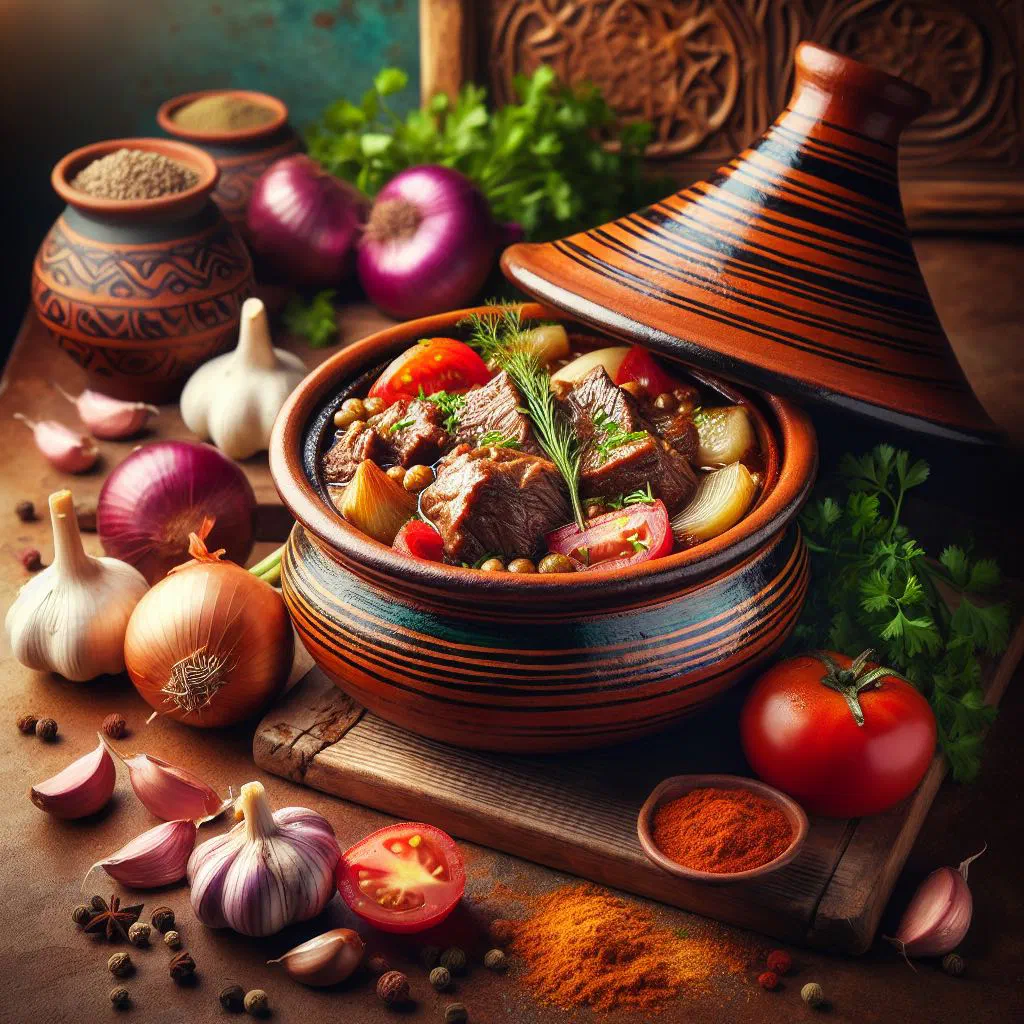
Discover Tagine Bil Lahma, a dish that captures the very soul of Egyptian cooking. This traditional braise brings together tender beef, fresh vegetables and a warming blend of oriental spices, all cooked low and slow in the earthenware pot that gives the dish its name. The result is a fragrant, deeply comforting stew that feels equally at home at a family dinner or a festive gathering.
About Tagine Bil Lahma
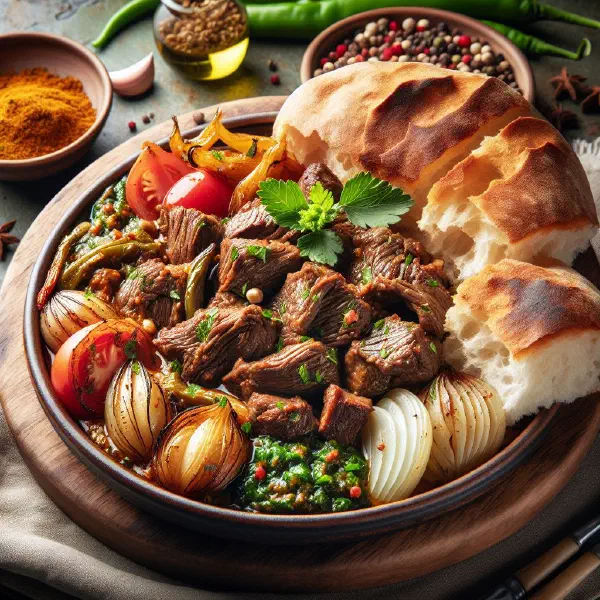
Tagine Bil Lahma is an exquisitely crafted dish that captures the culinary soul of Egypt. This traditional braise pairs tender beef with fresh vegetables and a generous medley of oriental spices. Cooking it slowly in a tagine, a special earthenware pot, coaxes out the aromas in a way that genuinely appeals to the palate. The dish is nourishing and reflects the rich cultural history and warm hospitality of Egyptian cooking, much like the country’s celebrated Egyptian cuisine as a whole.
Ingredients (serves 1–2)
- 500 g beef (e.g. shoulder or leg)
- 2 large carrots, sliced
- 1 onion, diced
- 2–3 cloves of garlic, chopped
- 1 red pepper, diced
- 1 tin of chickpeas, drained
- 2 tsp cumin
- 1 tsp cinnamon
- Salt and pepper to taste
- 2–3 tbsp olive oil
- 1 cup vegetable stock or water
Shopping for the ingredients
When shopping for the ingredients for tagine bil lahma, it is well worth paying attention to freshness and quality. Visit a local market or a trusted butcher to make sure you pick out the best beef. Choose fresh vegetables that are in season to get the most out of their flavour. The spices should be fresh and fragrant too, a visit to a dedicated spice shop can help you track down the ideal aroma.
Preparing the dish
Preparation is an essential step in making Tagine Bil Lahma. Begin by cutting the beef into cube-shaped pieces and marinating it with the spices. Let the meat rest in the fridge for at least an hour so the flavours can soak in. In the meantime, you can slice the vegetables and ready the chickpeas. These bring extra texture and nutrients to the dish.
Step-by-step instructions
- Heat the olive oil in a tagine or a large pot over medium heat.
- Add the onions and garlic and fry until golden brown.
- Add the beef and brown it all over.
- Stir in the sliced vegetables (carrots and pepper) along with the chickpeas.
- Pour over the vegetable stock or water and bring everything to the boil.
- Put the lid on the tagine and let the dish braise over low heat for 1.5 to 2 hours.
- Top up with a little more liquid as needed during cooking, and season with salt and pepper.
Gluten-free / lactose-free version
Good news for anyone with a gluten or lactose intolerance: tagine bil lahma is naturally gluten- and lactose-free, as long as you keep an eye on the accompaniments. Avoid bread that contains gluten and opt for rice or quinoa instead. For a creamy touch you could use coconut cream, which is also lactose-free. That way you can enjoy the dish to the full without any compromise on health.
Tips for vegans and vegetarians
Vegetarians and vegans can happily adapt Tagine Bil Lahma by swapping the meat for tofu, tempeh or cauliflower. These ingredients soak up the flavours of the spices and stock beautifully. Experiment with a range of vegetables such as courgette or aubergine, and add a little extra stock to keep the aroma rich. The result is an equally tasty and satisfying meal that suits every health-conscious way of eating.
More tips and tricks
A few simple tips and tricks can make your dish even more delicious. If you want more depth of flavour, for instance, add a handful of dried apricots or prunes while it cooks. These fruits bring a pleasant sweetness that harmonises wonderfully with the savoury notes. You can also experiment with different spices, such as coriander or nutmeg, to add your own personal touch. Finally, serving the dish straight from the tagine lifts the presentation and creates a lovely rustic atmosphere.
Adapting the recipe to your taste
Adapting the recipe for tagine bil lahma to your own preferences is easy and lets you cater to individual tastes. If you like it especially hot, add fresh chillies or cayenne pepper. For a milder version, simply cut back on the amount of spice. The choice of vegetables can be varied too, keeping the dish interesting and in tune with the seasons. That way every batch becomes a fresh flavour experience.
Ingredient substitutions
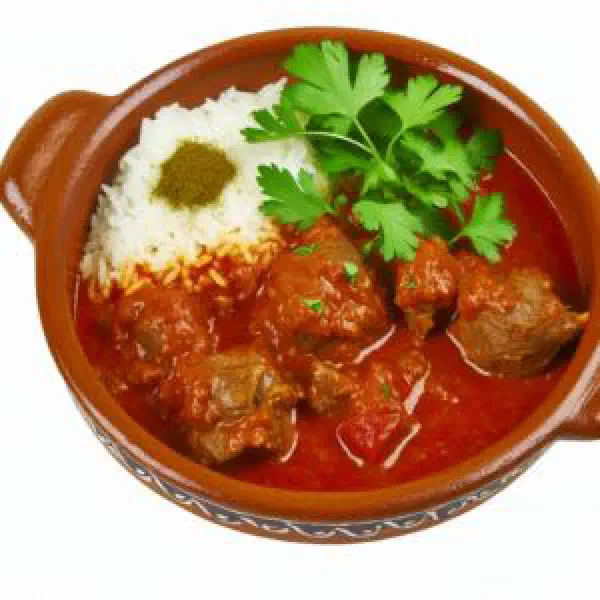
If you do not have some of the ingredients to hand, or simply have particular preferences, there are plenty of alternatives for tagine bil lahma. Instead of beef you can use lamb or chicken, both of which work just as well in a tagine, the same gentle braising that makes Lamb Fatta so satisfying. For the stock, vegetable stock or a homemade chicken stock both do the job. You could also swap the chickpeas for other pulses to vary the protein and tailor the dish to your diet, in the spirit of a hearty Bamya With Beef.
Drink pairing ideas
A wide range of drinks pairs nicely with Tagine Bil Lahma and rounds off the flavour beautifully. A well-chilled white wine, such as a Chardonnay or Sauvignon Blanc, sits wonderfully alongside the dish’s spiced aromas. For alcohol-free options, mint tea or hibiscus tea make excellent companions that balance the warmth of the food. You might also try a trendy spritz or a fresh fruit juice for a refreshing lift.
Serving and presentation ideas
The presentation of tagine bil lahma can elevate the whole dining experience. Serve the dish straight from the tagine to play up its tradition and rustic character. Garnish with fresh herbs such as parsley or coriander to add colour and flavour. Set out a few small bowls of accompaniments too, yoghurt or a fresh salad, perhaps, so guests can help themselves as they like. This thoughtful presentation shows off your cooking and your hospitality.
A bit of history
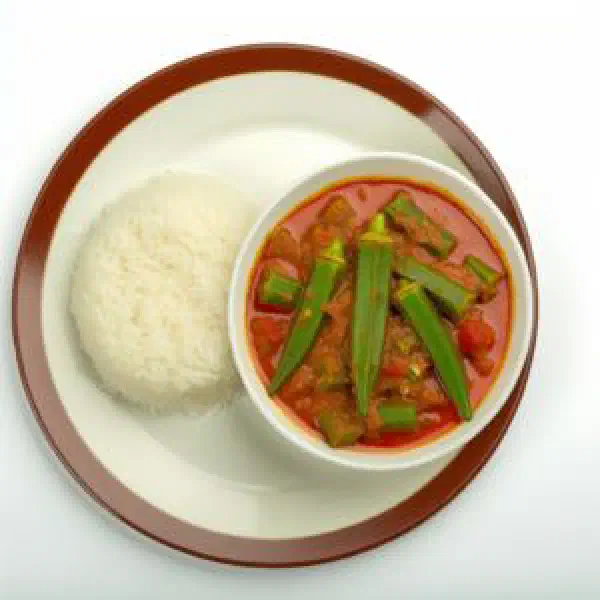
The history of the tagine reaches back to ancient times and is deeply tied to North African culture. The word “tagine” refers both to the dish and to the special earthenware pot in which it is cooked. Tagines were originally developed by Berber communities in Morocco, but their influence has spread to other countries across the region, including Egypt. Over the centuries the dish has evolved, with each region adding its own distinctive ingredients and methods, just as you see in the local take on Okra Tagine.
More recipe ideas
Summary: Tagine Bil Lahma
In short, Tagine Bil Lahma is an unmistakable dish that wins you over with its flavour and by bringing a piece of Egyptian culture and tradition to the table. The slow cooking yields tender meat and intensified aromas, while the many ways to adapt it ensure there is something for everyone. Whether as a family meal or for festive occasions, tagine bil lahma offers a warm and welcoming dining experience. Enjoy it with friends and family, and let the magical world of Egyptian cooking work its charm.