National Dish Egypt: Tahini (Recipe)
In this article
Discover tahini, the silky sesame paste that sits at the very heart of Egyptian and Middle Eastern cooking. Made from nothing more than ground sesame seeds and a little oil, it is wonderfully nutty, endlessly versatile and surprisingly simple to make at home. Swirl it into a dip or use it as the backbone of a dressing, this humble paste brings a rich, toasty depth to everything it touches. Bring a taste of Egypt straight to your own kitchen.
About Tahini
Tahini, also known as tehina, is a delicious and nourishing paste made from ground sesame seeds. This much-loved staple has deep roots in Egypt and is counted among the country’s national treasures and forms an essential building block of countless Mediterranean and Middle Eastern dishes. It works beautifully as a spread and as an ingredient in all sorts of recipes, from hummus to fresh salad dressings. Preparing tahini is straightforward and calls for only a handful of ingredients, which makes it an ideal choice for any cook.
Ingredients (serves 1–2)
- 100 g sesame seeds
- 2–3 tablespoons olive oil
- 1–2 tablespoons lime juice
- Water, as needed
- Salt to taste
Shopping for the ingredients
The ingredients for tahini are easy to find in most supermarkets and health-food shops. Take care to buy good-quality sesame seeds, as the quality of what goes in directly shapes the flavour of the finished paste. Where you can, choose unhulled sesame seeds for a richer, fuller flavour. The olive oil should be a good one too, since it lends the tahini much of its distinctive aroma. Many of these pantry basics also feature in dishes such as Hummus and Baba Ghanoush.
Preparing the dish
Before you begin making tahini, make sure your kitchen kit is ready to go. A good blender or food processor is ideal for working the sesame seeds into a smooth paste. It can also help to lightly toast the sesame seeds beforehand to deepen their nutty flavour. Simply warm them in a dry pan over a medium heat until they turn golden, taking care not to let them catch and burn.
Step-by-step instructions
- Lightly toast the sesame seeds in a dry pan.
- Transfer them to a heatproof dish and leave them to cool completely.
- Tip the cooled sesame seeds into a blender and blitz to a paste.
- Gradually add the olive oil, lime juice and water until you reach the consistency you want.
- Season with salt and keep blending until the mixture is smooth, creamy and even.
Gluten-free / lactose-free version
Tahini is naturally gluten-free and lactose-free, which makes it a brilliant option for anyone with coeliac disease or a lactose intolerance. Even so, do check that every ingredient you use, especially the olive oil, is labelled gluten-free for peace of mind. You can enjoy the paste exactly as it is, with no need to weigh up any hidden gluten or dairy.
Tips for vegans and vegetarians
Tahini is a perfect food for vegans and vegetarians, being rich in healthy fats, protein and other nutrients. Stir it through salads, spread it on toast or layer it into sandwiches to add nourishment and flavour. Pair it with fresh vegetables for a wholesome snack, much as you would with a creamy Falafel plate. It also turns up regularly in recipes such as veggie burgers and grain bowls.
More tips and tricks
One of the trickiest parts of making tahini is getting the right consistency. Depending on how you plan to use it, you may want to adjust the thickness. If the paste is too stiff, simply loosen it with a little more water or oil. Let your imagination run free as you tweak the blend to find the perfect balance for your own taste.
Adapting the recipe to your taste
Tahini is easily adapted to suit different palates and needs. Work in extras such as garlic, cumin or paprika to give the paste more character and warmth. If you are following a diet that avoids particular food groups, take care to vary the ingredients accordingly and always aim for a well-balanced mix.
Ingredient substitutions
If you do not have sesame seeds to hand, you can make a tahini-style paste using other nuts or seeds, such as almonds or sunflower seeds. Each alternative brings its own distinct flavour and nutritional profile to the table. Feel free to experiment with different combinations until you land on your personal favourite version.
Drink pairing ideas
Tahini partners wonderfully with all kinds of dishes and can be served alongside a range of drinks. You may find that a mint-flavoured lemonade or a refreshing herbal tea makes an ideal companion, much like a glass of Lemon Mint Juice. A glass of red wine can also round out the flavours of a fuller meal beautifully. Consider the flavours and ingredients of your dish when choosing what to pour.
Serving and presentation ideas
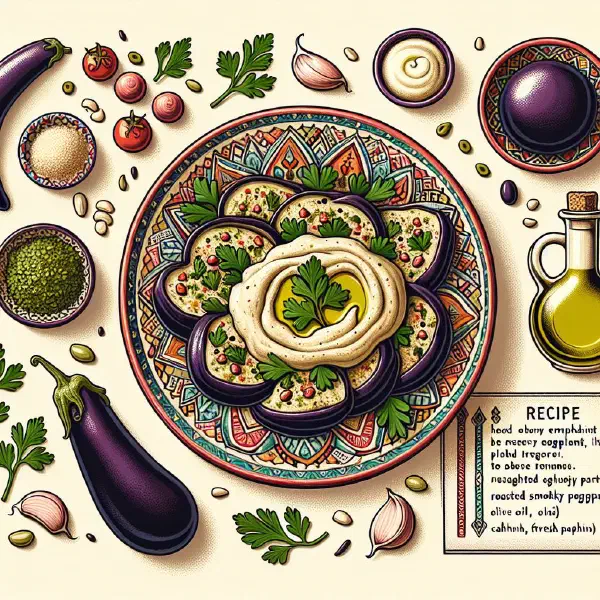
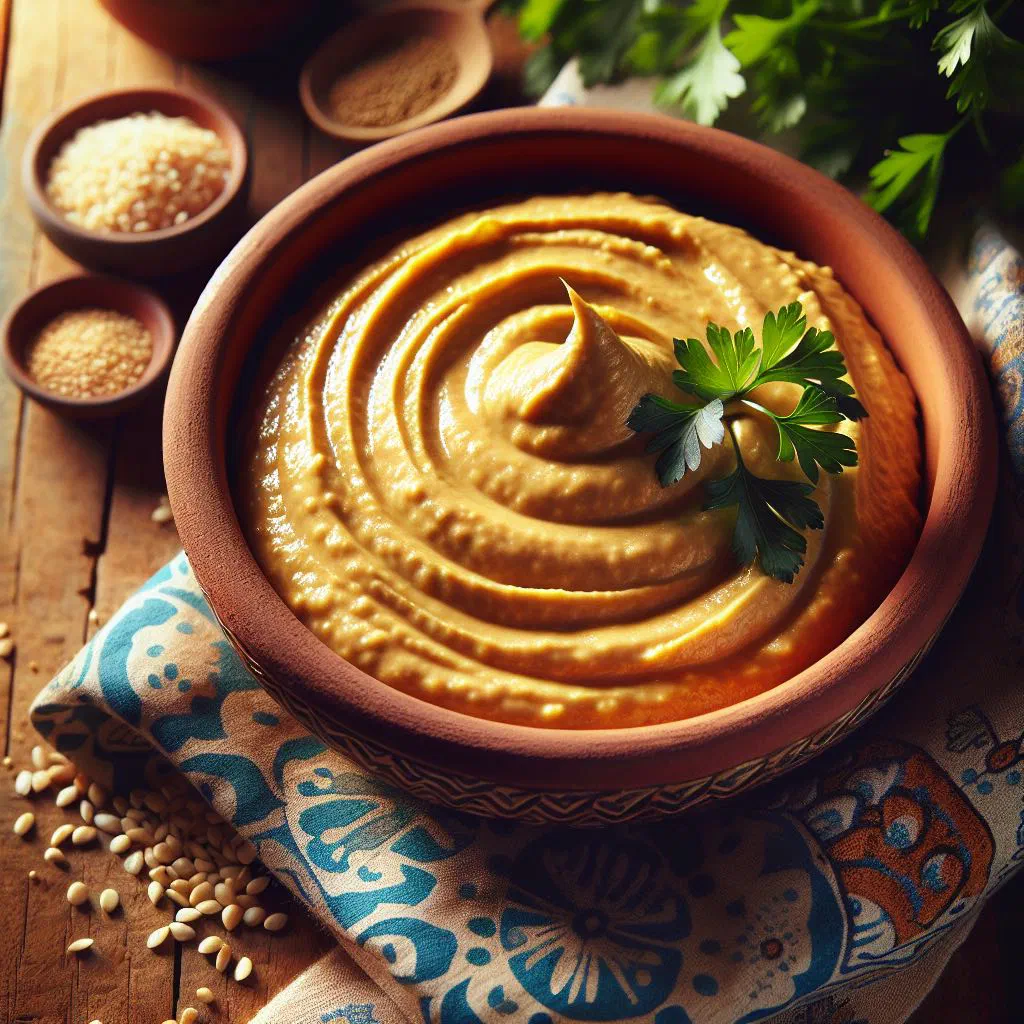
An attractive plate is half the pleasure. Serve tahini in a decorative bowl and garnish it with olive oil, fresh herbs or chickpeas for a pretty finish. You might also scatter a few extra sesame seeds over the top to play up the texture and aroma. Thoughtful presentation not only makes the dish more inviting to look at but can also whet the appetite.
A bit of history
The origins of tahini reach back into antiquity and are closely woven into the history of Egypt and other Mediterranean cultures. Sesame oil is said to have been used in Mesopotamia more than 5,000 years ago. The traditional method of making the paste has barely changed over the centuries, a testament to the enduring appeal of this delicious ingredient and of Egyptian cuisine as a whole. Today tahini has found a home in kitchens all over the world, prized for its remarkable versatility.
More recipe ideas
Summary: Tahini
Tahini is far more than a simple, tasty recipe; it is a versatile staple that bends easily to the tastes and needs of all sorts of people. It is uncomplicated to prepare and the ingredients are easy to come by. A dip or an ingredient in other dishes, tahini is sure to become a quiet star in your kitchen. Do not miss the chance to try this time-honoured Egyptian classic for yourself.