National Dish Egypt: Vegetable Couscous (Recipe)
In this article
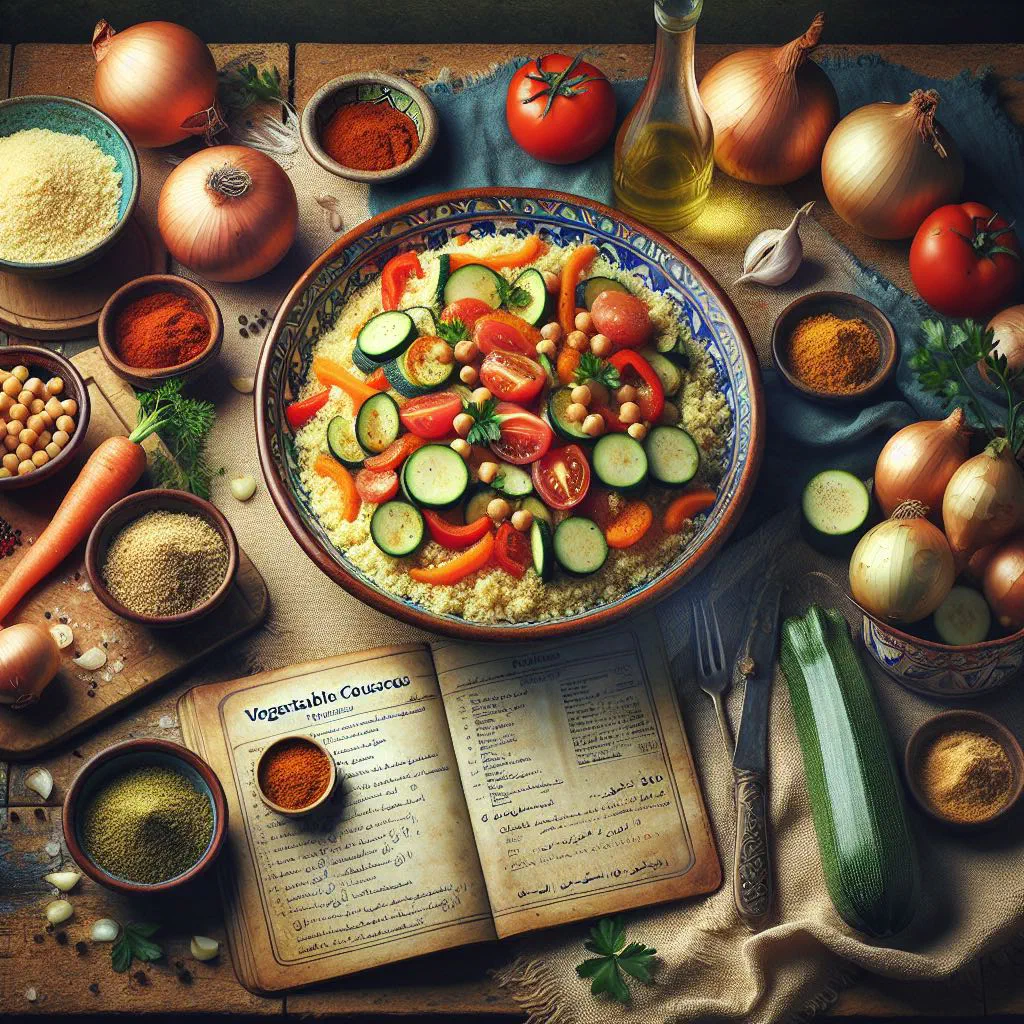
Discover Vegetable Couscous, a fragrant celebration of Egyptian and North African cooking. This wholesome bowl layers fluffy semolina grains with a colourful medley of fresh vegetables and warming spices. Naturally vegan and beautifully light yet satisfying, it captures the generous spirit and rich culture of the region. Bring a taste of sun-drenched tradition straight to your own table with this easy, nourishing dish.
About Vegetable Couscous
Vegetable Couscous is a much-loved dish across Egypt and North Africa, treasured as much for its flavour as for what it represents: warm hospitality and a deep, bright culinary heritage. Couscous itself is a fine grain product traditionally made from durum wheat semolina, prized for being especially nourishing. Combined with fresh vegetables and aromatic spices, it takes on a wonderfully distinctive taste that is both light and filling. The dish sits comfortably among the great staples of Egyptian cuisine, every bit as comforting as a bowl of Koshari.
Ingredients (serves 1–2)
- 150 g couscous
- 250 ml vegetable stock
- 1 courgette
- 1 pepper (red or yellow)
- 1 carrot
- 1 small onion
- 2 cloves of garlic
- 1 tsp cumin
- 1 tsp sweet paprika
- 2 tbsp olive oil
- Salt and pepper, to taste
- Fresh parsley or coriander, to garnish
Shopping for the ingredients
To make a really good vegetable couscous, it pays to choose fresh, good-quality ingredients. Start with the couscous, which is widely available in any well-stocked supermarket. Your choice of vegetables can vary with the season and your own taste, the more colourful the selection, the more appealing and nutritious the finished dish. A visit to a local market is a lovely way to pick up ripe produce and add variety to the bowl.
Preparing the dish
Good preparation is the key to a successful vegetable couscous. Begin by washing the vegetables thoroughly and cutting them into small, even pieces so they cook uniformly. Finely chop the onion and the garlic to draw out an intense aroma. This bit of groundwork improves the texture of the dish and helps the flavours come together in perfect harmony.
Step-by-step instructions
- Heat the olive oil in a pan and add the chopped onion and garlic. Fry over medium heat until golden.
- Add the chopped vegetables (courgette, pepper and carrot) and sauté for 5–7 minutes.
- Season the vegetables with cumin, paprika, salt and pepper. Stir well so the spices are evenly distributed.
- Pour in the vegetable stock and bring to the boil. As soon as it boils, turn off the heat.
- Add the couscous to the pan, cover, and leave to steam for 5 minutes.
- Once the couscous has absorbed the liquid, fluff it with a fork, then taste, adjust the seasoning and garnish.
Gluten-free / lactose-free version
This vegetable couscous adapts easily to special dietary needs. For a gluten-free version, swap the couscous for quinoa or a gluten-free couscous made from maize or rice, and be sure to choose a gluten-free vegetable stock. The recipe is already lactose-free, since the vegetables are simply sautéed in olive oil with no dairy involved. That way everyone at the table can enjoy the dish without any compromise.
Tips for vegans and vegetarians
Vegetable couscous is naturally vegan and vegetarian, which makes it wonderfully inclusive. To make it even more nourishing, you can add a source of protein such as tofu or chickpeas, both of which pair beautifully with the vegetables and grain. For more plant-based inspiration, try the comforting Lentil Mujadara.
More tips and tricks
For an even tastier vegetable couscous, it is worth marinating the vegetables before cooking. A simple marinade of olive oil, lemon juice and your favourite herbs brings extra layers of flavour. Fresh herbs such as basil or mint can be added at the end for a bright, fresh note. Getting the timing right while cooking the vegetables ensures they stay pleasantly crisp while still being cooked through.
Adapting the recipe to your taste
Vegetable couscous lends itself to all kinds of personal tweaks. Use different vegetables depending on the season or your mood, green beans, peas or aubergine each bring their own character to the bowl. For a bit of heat, add freshly chopped chilli or a pinch of chilli flakes. The dish is endlessly forgiving, so feel free to experiment until it suits your palate exactly.
Ingredient substitutions
One of the great joys of vegetable couscous is how flexible the ingredients are. When time is short, frozen vegetables work just as well as fresh. If you have no couscous to hand, rice or pearl barley make excellent stand-ins. The spices, too, can be varied to explore new flavour directions, so you can stay creative in the kitchen every time you cook it. The same adaptable spirit shines in a nutty Couscous With Raisins And Nuts.
Drink pairing ideas
A good meal is often rounded off by the right drink. Vegetable couscous goes beautifully with freshly pressed fruit juices or a sparkling mineral water with a squeeze of lemon. The key is a refreshing drink that underlines the flavours of the dish without overpowering them. If you prefer wine, a light white wine shows off the fresh vegetable aromas wonderfully. A glass of Lemon Mint Juice is another cooling option.
Serving and presentation ideas
Presentation plays an important part when serving vegetable couscous. Use attractive bowls or plates to show the dish off at its best. A final garnish of fresh herbs or edible flowers makes it more appetising and visually striking. Take care to let the colours of the vegetables shine through and to arrange the portion thoughtfully on the plate.
A bit of history
Vegetable couscous has a long tradition in North African cooking and is often served on festive occasions. Historically, couscous was a dish for every level of society and was frequently prepared as the main family meal. It is a wonderful example of how skilfully grains and vegetables can be combined to create something both filling and nourishing. The dish’s versatility has helped it spread around the world in countless versions, much like the celebrated Mulukhiyah.
More recipe ideas
Summary: Vegetable Couscous
Vegetable Couscous is a delicious, healthy dish that embodies the flavours of Egypt. It brings together nourishing couscous and a colourful mix of fresh vegetables and warming spices. Its simple preparation and remarkable versatility make it an ideal choice for any occasion.