National Dish Egypt: Vinegar Foul Medames (Recipe)
In this article
Meet Vinegar Foul Medames, a tangy twist on Egypt’s most beloved bean dish. Protein-rich fava beans are dressed with a bright splash of vinegar, warm spices and a handful of fresh herbs, making a meal that is every bit as good at the breakfast table as it is for a hearty midday snack. Simple, nourishing and full of character, it is a wonderful way to bring the flavours of Egyptian home cooking into your own kitchen.
About Vinegar Foul Medames
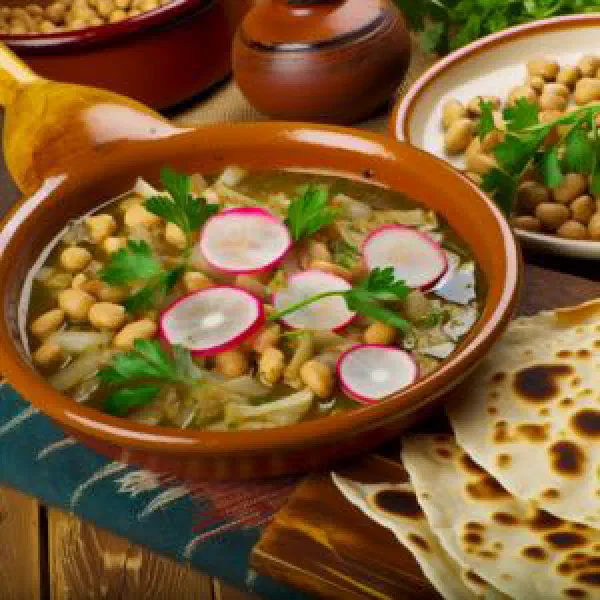
Vinegar Foul Medames is a traditional Egyptian dish made from skinned fava beans. This protein-packed staple is most often served at breakfast or as a substantial snack to see you through the day. The combination of vinegar, spices and fresh herbs lends the dish a refreshing lift that turns a humble bowl of beans into a genuine treat. Foul medames is an excellent choice.
Ingredients (serves 1–2)
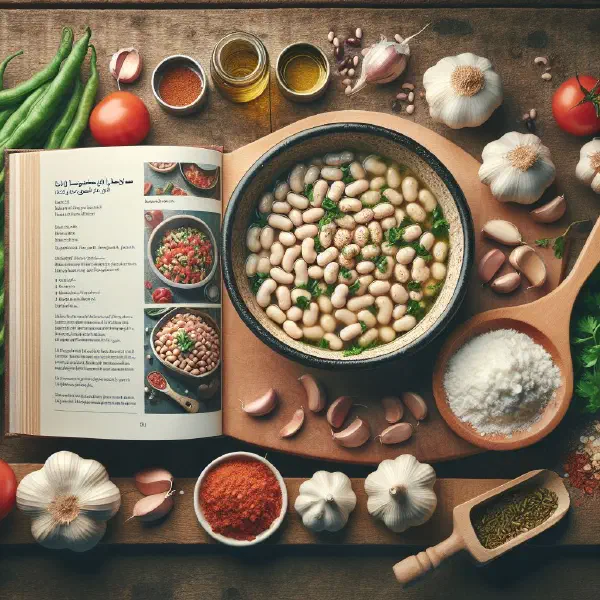
- 1 tin of fava beans (or 200 g dried beans)
- 2 tablespoons olive oil
- 1–2 tablespoons vinegar (to taste)
- 1 small onion, finely chopped
- 1–2 cloves garlic, crushed
- 1 teaspoon cumin
- A few sprigs of fresh parsley
- Salt and pepper, to taste
- Optional: lemon juice, to taste
Shopping for the ingredients
The ingredients for vinegar foul medames are easy to find in most supermarkets and Middle Eastern grocery shops. When it comes to the fava beans, decide whether you would rather use fresh or dried beans. Dried beans call for a little more forward planning, as they need soaking and cooking, while a tin is ready to go. Don’t forget to pick up fresh herbs such as parsley, which give the dish its lovely finishing touch.
Preparing the dish
If you are using dried fava beans, it is important to soak them in water overnight to shorten the cooking time. If you are reaching for a tin instead, rinse the beans thoroughly to wash away any excess sodium. Either way, it pays to have all your other ingredients prepped before you start cooking. That keeps everything running smoothly and lets the flavours develop at their best.
Step-by-step instructions
- Simmer the beans in a pan with a little water until soft (around 1–1.5 hours for dried beans).
- Drain the cooked beans and tip them into a bowl.
- Add the olive oil, vinegar, onion, garlic and cumin, then mix together well.
- Season with salt and pepper, and add a squeeze of lemon juice if you like.
- Garnish with fresh parsley and serve.
Gluten-free / lactose-free version
Vinegar Foul Medames is naturally gluten-free and lactose-free, which makes it an outstanding option for anyone with particular dietary needs. All you have to do is make sure that every ingredient you use, the spices and the vinegar in particular, is free from gluten. This recipe therefore suits a wide range of eating styles.
Tips for vegans and vegetarians
Vinegar Foul Medames is naturally a vegan dish that contains no animal products at all. The protein-rich fava beans make it a brilliant choice for vegans and vegetarians alike. You can brighten it up with extra vegetables such as peppers or tomatoes for even more flavour and nutrition. Serve it with a piece of bread or rolled into a wrap for a complete and satisfying meal, much like a classic Falafel Wrap.
More tips and tricks
To deepen the flavour of vinegar foul medames, let the dish sit in the fridge for a few hours before serving so the flavours have time to mingle. You can also experiment with different vinegars, balsamic or apple cider vinegar, for example, to add new layers of taste. For the best quality, aim to prepare the dish fresh and serve it soon after.
Adapting the recipe to your taste
One of the great joys of vinegar foul medames is its versatility. You can adjust the ingredients to suit your palate, adding more or fewer spices as you please. If you like a bit of heat, try stirring in fresh chilli or a pinch of cayenne pepper. Equally, you can finish the dish with herbs such as coriander or mint for a fresh new spin.
Ingredient substitutions
If you don’t have fava beans to hand, you can swap in other pulses such as black beans or chickpeas, both of which offer a similar texture and nutritional value, chickpeas are also the heart of a good Hummus. For anyone who would rather skip the olive oil, other plant oils such as rapeseed or sunflower work just as well. The key is to keep the basic steps the same so the dish stays full of flavour.
Drink pairing ideas
Vinegar Foul Medames pairs beautifully with Egyptian drinks such as a glass of Hibiscus Tea or freshly pressed Pomegranate Juice. These refreshments complement the flavours of the dish perfectly and make for a harmonious combination. Alternatively, a sparkling lemonade or simply water with a slice of lemon helps to cleanse the palate while keeping things light and refreshing. Either way, the right drink makes the meal complete.
Serving and presentation ideas
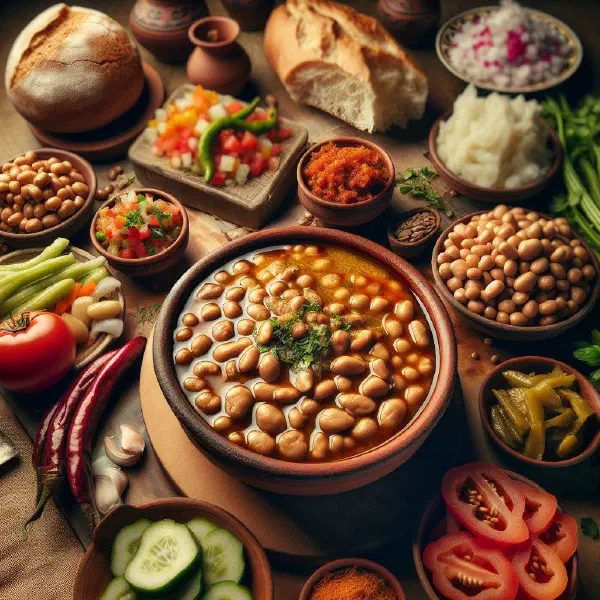
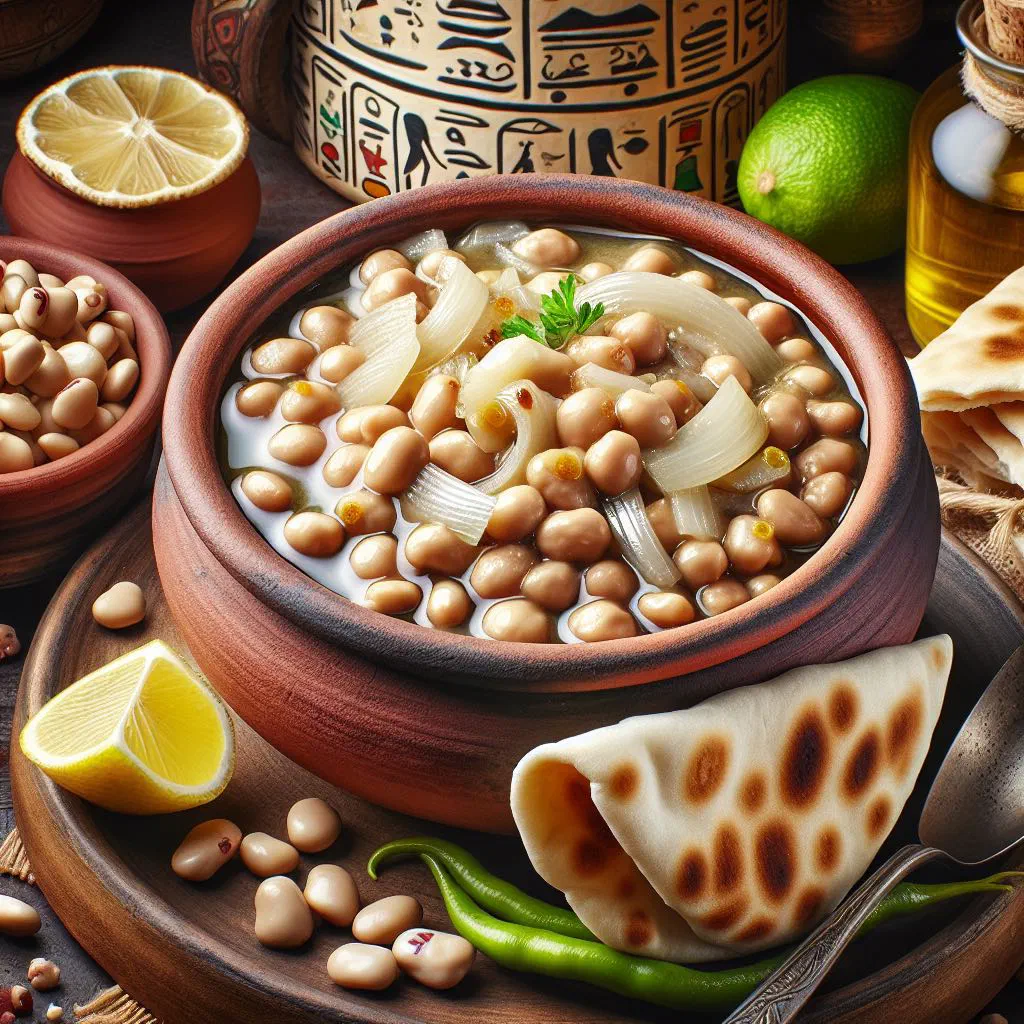
The presentation of vinegar foul medames can be made all the more appealing with colourful vegetables and plenty of fresh herbs. Serve the dish in an attractive bowl and garnish it with parsley for a fresh, inviting look. You might also arrange a few lemon wedges around the bowl, which are not only decorative but add an extra burst of flavour. A thoughtful presentation makes the meal even more enjoyable and welcoming.
A bit of history
Foul medames has a long and fascinating history that reaches all the way back to ancient Egypt. Originally conceived as a simple breakfast for labourers, it has grown over the centuries into a true culinary classic. The dish is nourishing and reflects the cultural influences and traditions of Egypt. It is a symbol of Egyptian cuisine, a humble bowl that brings together people from every walk of life and celebrates the country’s famous hospitality, much like the beloved Koshari that defines Egyptian cuisine.
More recipe ideas
Summary: Vinegar Foul Medames
Vinegar Foul Medames is an easy-to-make, nourishing dish that is rich in both protein and flavour. It offers a lovely way to get to know Egyptian cooking a little better, and it works just as well for special occasions as it does for everyday meals. With its many possibilities for adaptation and its sheer versatility, it is a welcome addition to any menu. Enjoy the burst of flavour and let the food culture of Egypt inspire you.