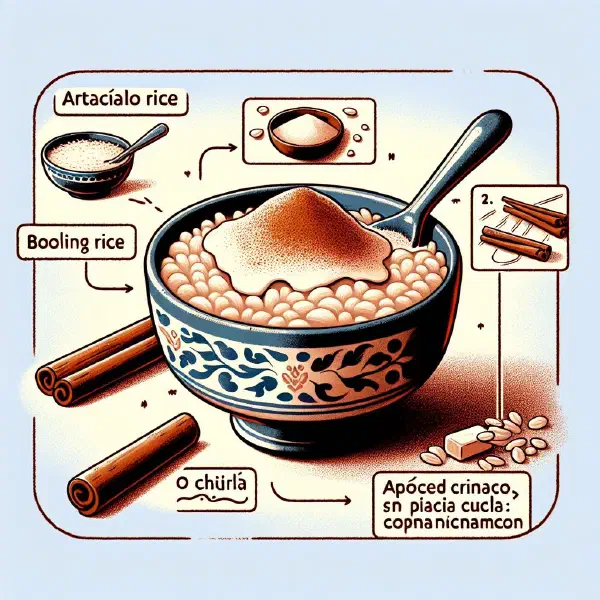
National Dish El Salvador: Arroz con Leche (Recipe)

In this article
Discover Arroz con Leche, one of El Salvador’s most beloved desserts. This gently spiced rice pudding wraps tender grains of rice in a warm, milky sweetness scented with cinnamon and vanilla. Comforting, creamy and quietly festive, it is the kind of pudding that turns up at celebrations and lazy afternoons alike. Bring a little of El Salvador’s joie de vivre to your own kitchen with every spoonful.
About Arroz con Leche
Arroz con Leche is a traditional Salvadoran dessert that charms the senses with its soft texture and gentle, sweet flavour. It is built mainly around rice, cooked slowly in a mixture of milk and water and then enriched with cinnamon, vanilla and sugar. The dish is loved not only in El Salvador but across much of Latin America, where it has found a home of its own. A frequent choice for celebrations and special occasions, it appeals to hearts and palates in equal measure.
Ingredients (serves 1–2)
- 1 cup rice
- 2 cups milk
- 1 cup water
- 1/2 cup sugar
- 1 cinnamon stick
- 1 teaspoon vanilla extract
- A pinch of salt
Shopping for the ingredients
When shopping for arroz con leche, it is worth choosing fresh, good-quality produce. Visit your local market or a health-food shop to find rice and milk at their best. With the cinnamon, look for a stick that is fresh and fragrant so its aroma can enrich the whole dish. Don’t forget to pick up vanilla extract too, to round off that sweet flavour perfectly.
Preparing the dish
Preparing arroz con leche is simple and should be an enjoyable process. Begin by rinsing the rice thoroughly to wash away the excess starch that can otherwise make the pudding sticky. Then lay out all your ingredients so the cooking runs smoothly. This little bit of groundwork makes things more efficient and helps the rice cook evenly.
Step-by-step instructions
- Put the rinsed rice into a saucepan with the cup of water and cook for 10–15 minutes, until soft.
- In a separate pan, combine the milk, sugar, cinnamon stick and a pinch of salt, and bring to the boil.
- Add the cooked rice and stir well while it simmers over a low heat.
- Let the mixture simmer for about 30 minutes, stirring occasionally, until it reaches a creamy consistency.
- Just before serving, stir in the vanilla extract and remove the cinnamon stick.
Gluten-free / lactose-free version
Making arroz con leche gluten-free and lactose-free is both possible and easy. Simply swap the ordinary milk for a plant-based milk alternative such as almond, soya or oat. Make sure the rice you use is gluten-free, which is the case with most varieties. These small adjustments ensure the dessert suits anyone with an intolerance, without taking anything away from its delicious flavour.
Tips for vegans and vegetarians
Vegans can enjoy arroz con leche with ease by replacing the animal products with plant-based alternatives. Use coconut milk or an almond drink to achieve a creamy yet fragrant consistency. Sweeten the dish with maple syrup, or set it gently with a little agar-agar, to reach exactly the flavour and texture you want. That way the pudding stays every bit as delicious while fitting a vegan diet.
More tips and tricks
For the best results when cooking arroz con leche, it is important to keep the heat low throughout. This stops the milk from catching and giving the dessert an unpleasant bitterness. Stir regularly to prevent the rice sticking to the base of the pan. Another good tip is to finish the pudding with a pinch of cinnamon or a little grated nutmeg, to add an extra note of flavour.
Adapting the recipe to your taste
One of the best things about arroz con leche is how versatile it is. You can adjust the sweetness however you like, adding more sugar or holding back for a lighter touch. Stir in dried fruit such as raisins or chopped dates for extra sweetness and texture. Experiment with different spices, nutmeg or ginger, for example, to create a version that is entirely your own.
Ingredient substitutions
If you are allergic to certain ingredients in arroz con leche or would simply rather avoid them, there are easy alternatives. Rice can be replaced with quinoa, for instance, which makes the dish higher in protein. For the sweetener, stevia or coconut sugar work well for a lighter kind of indulgence. Be creative with your choices and shape the recipe to suit you, much as you might with a bowl of Leche Poleada.
Drink pairing ideas
The right drink can heighten the pleasure of arroz con leche. Consider serving a fruity smoothie or a simple mint water to balance the sweetness of the rice, or a glass of Horchata to keep things firmly Salvadoran. A cup of black coffee or espresso also makes a wonderful match, its slight bitterness playing off the sweetness of the pudding. Pairings like these enrich the whole experience and create a harmonious end to a meal.
Serving and presentation ideas
Presentation can lift the entire arroz con leche experience. Serve the dessert in small, traditional clay pots or in elegant dessert bowls. Garnished with a cinnamon stick or a sprig of fresh mint, it looks appetising and touched with a little elegance. Try clear glasses to show off the layered structure of the rice and catch your guests’ eye.
A bit of history
Arroz con leche has a long and interesting history, rooted deep in Salvadoran culture. The dish is said to trace back to the Spanish colonial era, when rice took its place as an important staple in the regional kitchen. Over the years the recipe has evolved and is now enjoyed in countless variations across Latin America. Blending tradition with innovation, it lives on in many households and is often served at family gatherings and celebrations, a sweet cornerstone of Salvadoran cuisine.
More recipe ideas
Summary: Arroz con Leche
In short, arroz con leche is a truly delicious dish that wins you over with its distinctive flavour and with the deeper connection it makes to Salvadoran culture. Whether for a festive meal or simply as a treat between times, this dessert brings warmth and joy to any home. With its wealth of possible adaptations and pairings, it is a recipe everyone should try. Cook this traditional dish and savour the flavours and the moments it brings with it.