National Dish El Salvador: Dulce de Atado de Panela (Recipe)
In this article
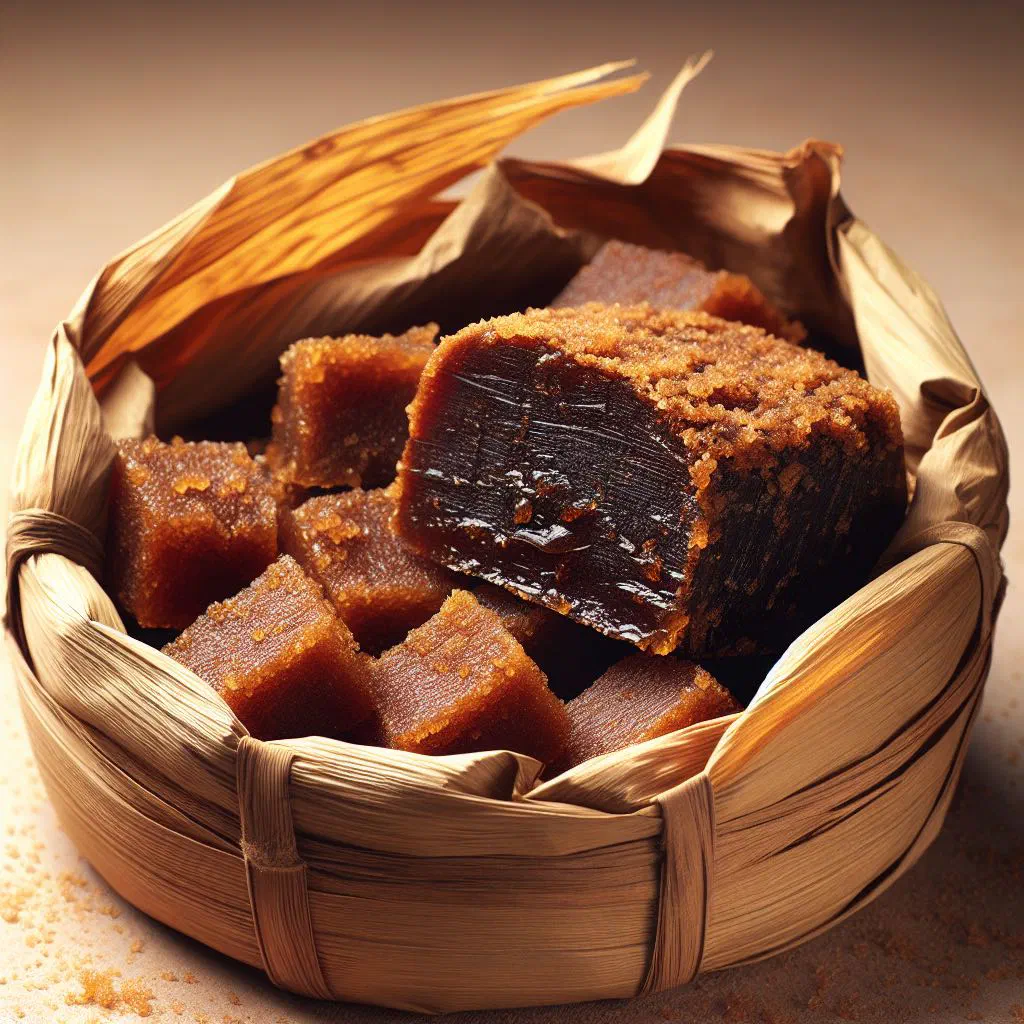
Meet Dulce de Atado de Panela, a wonderfully simple sweet treat from El Salvador that turns just a handful of ingredients into something memorable. Built around dark, mineral-rich sugarcane molasses and a scattering of toasted nuts, it delivers deep caramel warmth with a satisfying crunch. Naturally vegan, gluten-free and lactose-free, it is the kind of homely dessert that appears at family gatherings and festive occasions alike. Bring a little of El Salvador’s culinary heritage into your own kitchen with this easy recipe.
About Dulce de Atado de Panela
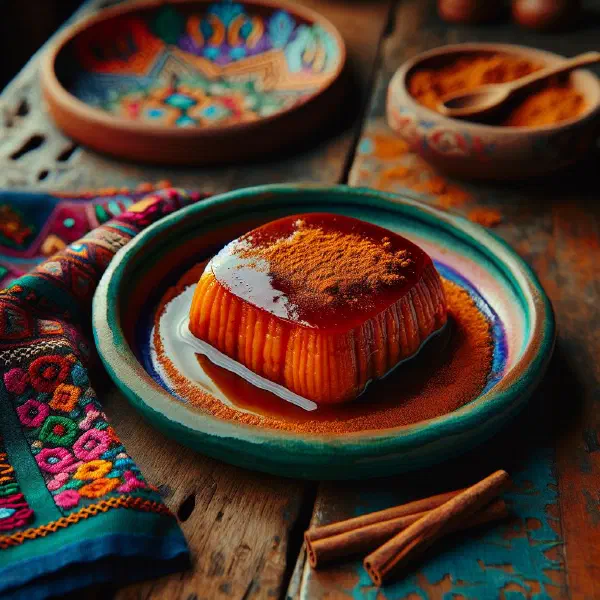
Dulce de Atado de Panela is a traditional dish of El Salvador, often served on special occasions. This sweet delicacy is made from sugarcane molasses and a mix of nuts, which give it its unmistakable flavour. Preparing the dessert is a cultural experience in itself, reflecting the rich cooking traditions of El Salvador. If you are looking for a new recipe that is both simple and delicious, then Dulce de Atado de Panela is exactly what you need, a proud part of Salvadoran cuisine.
Ingredients (serves 1–2)
- 200 g sugarcane molasses (panela)
- 100 g mixed nuts (e.g. almonds, walnuts)
- 1 tsp cinnamon
- 1 pinch of salt
- Optional: dried fruit of your choice
Shopping for the ingredients
Choosing the right ingredients is key to a good Dulce de Atado de Panela. Sugarcane molasses, or panela, is easy to find in Latin American and Asian grocers, and increasingly in well-stocked supermarkets too. Be sure to pick fresh nuts, as their quality has a real impact on the finished flavour. If you would like to add dried fruit, you can usually source it from the very same shops.
Preparing the dish
Getting ready to make Dulce de Atado de Panela is straightforward and calls for only a few basic steps. Start by gathering all your ingredients and roughly chopping the nuts. You can lightly toast the nuts to bring out their aroma if you like. Have a suitable mould or tin ready as well, so you can pour in the finished mixture the moment it is done.
Step-by-step instructions
- Place the sugarcane molasses in a pan and warm it gently over low heat until it turns liquid.
- Add the chopped nuts along with the cinnamon and salt, and stir well to combine.
- Let the mixture simmer for about 10 minutes, until it thickens slightly.
- Pour the mixture into your prepared mould and leave it to cool at room temperature.
- Once cooled, cut it into pieces and serve.
Gluten-free / lactose-free version
Dulce de Atado de Panela is naturally gluten-free and lactose-free, since its main ingredients, sugarcane molasses and nuts, contain neither gluten nor lactose. That makes it an ideal choice for anyone with those intolerances. Do make sure, however, that all the ingredients, and the nuts in particular, have been handled in a gluten-free environment to avoid any cross-contamination.
Tips for vegans and vegetarians
This recipe is naturally vegan, as it contains no animal products whatsoever. Vegans and vegetarians can therefore enjoy the dessert with complete peace of mind. To make it even more varied, try using different nuts or seeds. Adding plant-based flavourings such as vanilla or coconut can also open up some exciting variations.
More tips and tricks
For the best possible Dulce de Atado de Panela, it pays to choose well-ripened, good-quality nuts, as they greatly influence the taste. Let the mixture simmer long enough to reach the consistency you want. If you prefer a smoother texture, grind the nuts beforehand or purée them as they cook. Do experiment with the spices to find your own personal signature.
Adapting the recipe to your taste
Dulce de Atado de Panela is highly adaptable. You can vary the nuts to suit your palate, or reduce the quantity if you would like less crunch. For a more intense flavour, add extra spices such as ginger or cardamom. You can also adjust the amount of sugarcane molasses to dial the sweetness up or down exactly as you please.
Ingredient substitutions
If you cannot find sugarcane molasses, honey or agave syrup make a good stand-in, giving the dish a similar sweetness and consistency. In place of the nuts you might use seeds such as sunflower or pumpkin, for a different texture and taste, a trick that also works nicely in sweet treats like Dulce de Camote. Experiment with different ingredients to create your own unique Dulce de Atado de Panela.
Drink pairing ideas
A number of drinks pair beautifully with Dulce de Atado de Panela. A comforting hot drink such as black coffee or a rich cocoa balances the dessert’s sweetness perfectly. A refreshing fruit tea also makes an aromatic companion. If you are after something a little special, try a glass of passion fruit juice or fresh lime juice to broaden the range of flavours.
Serving and presentation ideas
Presentation can lift the whole Dulce de Atado de Panela experience. Serve the dessert in small bowls to create an inviting atmosphere. A fresh mint leaf or a few edible flowers make lovely decorations. Your choice of crockery matters too; reach for rustic plates to underline the traditional character of the dish.
A bit of history
Dulce de Atado de Panela has its roots in the colonial history of El Salvador, when sugarcane was a major trade commodity. The dish reflects the traditional methods and the blending of cultures that endure to this day. Over the years the recipe has evolved in home kitchens and during holidays, becoming a symbol of national identity. More than just a treat, the dessert is a piece of tradition that connects the generations.
More recipe ideas
Summary: Dulce de Atado de Panela
Dulce de Atado de Panela is a traditional sweet delicacy from El Salvador, made from sugarcane molasses and nuts. It is simple to prepare, and the result is a wonderful treat that captures the authentic flavours of Salvadoran cooking. Perfect for special occasions or as an everyday snack, this dessert also leaves plenty of room for creative variations. Experience the culture of El Salvador in your own kitchen with this one-of-a-kind recipe.