National Dish El Salvador: Pan de Coco (Recipe)
In this article
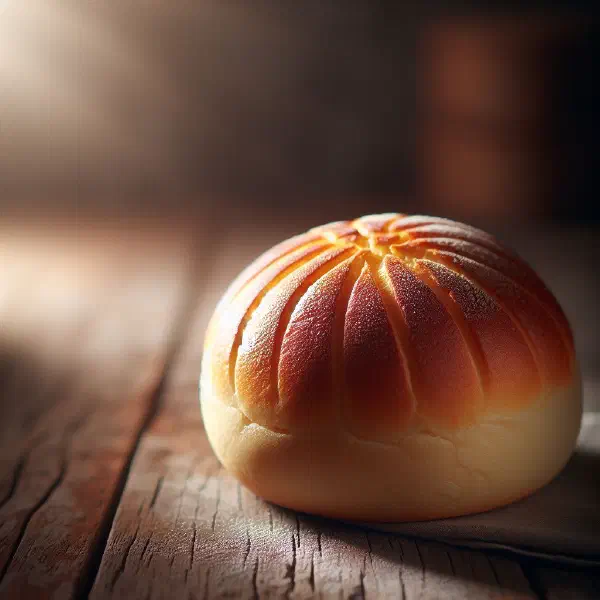
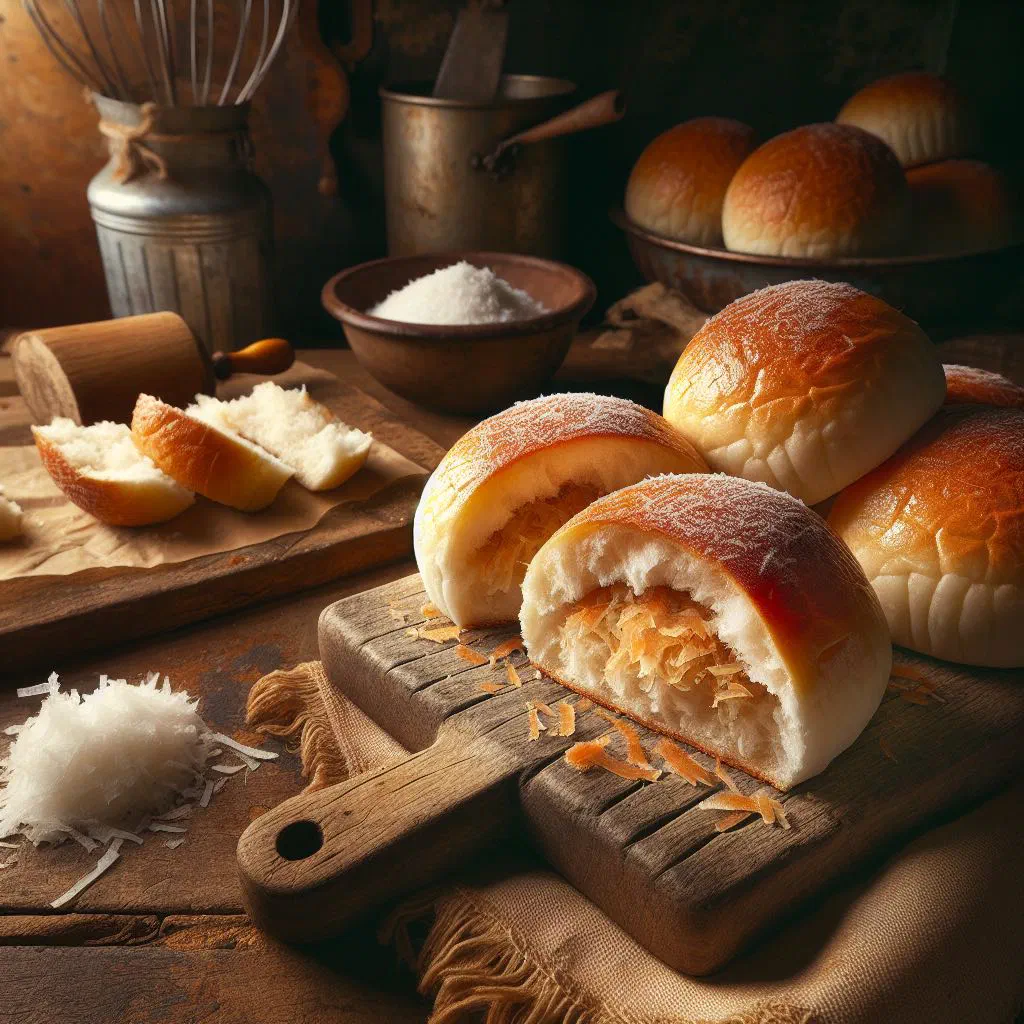
Say hello to Pan de Coco, El Salvador’s much-loved coconut bread that carries the scent of the tropics straight into your kitchen. Made with fresh, ripe coconut, these little rolls are sweet, tender and wonderfully moist, the kind of thing you reach for at breakfast or as an afternoon snack. Every bite offers a taste of Salvadoran warmth and hospitality, and the recipe is refreshingly simple to make at home.
About Pan de Coco
Pan de Coco is a beloved dish from El Salvador that appeals to visitors and locals alike. This traditional coconut bread is prized for its delicious flavour and for its moist, tender texture, which makes it an ideal snack or breakfast. Made from fresh, ripe coconuts, it brings the aroma of the tropics right into your home. With every mouthful you experience a little piece of Salvadoran culture and hospitality, much like the country’s celebrated tamales.
Ingredients (serves 1–2)
- 250 g plain wheat flour
- 100 g grated coconut
- 50 g sugar
- 1 teaspoon baking powder
- 1 pinch of salt
- 150 ml coconut milk
- 1 tablespoon butter, melted
Shopping for the ingredients
To make Pan de Coco, it is worth sourcing fresh, good-quality ingredients. The coconut in particular should be as fresh as possible, whether ready-grated or as a whole coconut you prepare yourself. When choosing your flour, opt for a good-quality variety to achieve the best possible texture. Farmers’ markets and ethnic grocery shops are often great places to find all of these ingredients.
Preparing the dish
Before you begin making Pan de Coco, preheat your oven to 180 degrees Celsius. These preparatory steps are key to a perfect result. Make sure you have all your ingredients ready and within reach so the process runs smoothly. Measuring everything out accurately and setting out your utensils in advance makes the whole task considerably easier.
Step-by-step instructions
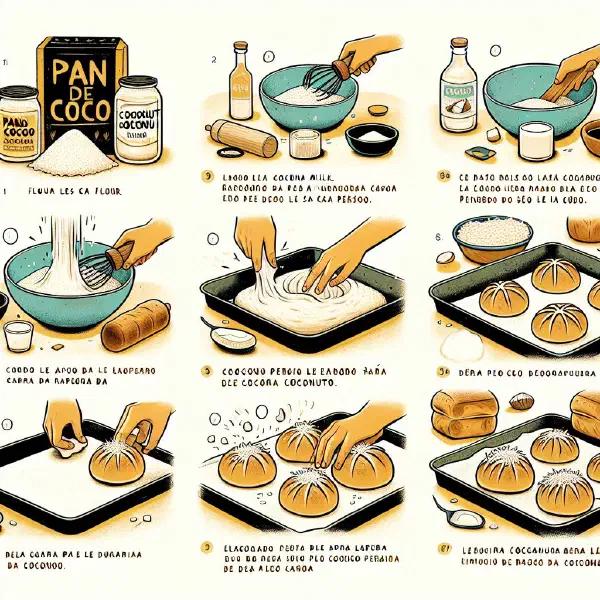
- In a large bowl, mix the flour, sugar, baking powder and salt together well.
- Add the grated coconut and stir until evenly combined.
- In a separate bowl, whisk together the coconut milk and the melted butter.
- Pour the wet ingredients into the flour mixture and stir to form a dough.
- [Optional] Knead the dough by hand until it is smooth and elastic.
- Divide the dough into small portions and shape each one into a round.
- Place the rolls on a baking tray lined with baking paper and bake for about 25–30 minutes.
Gluten-free / lactose-free version
To make Pan de Coco gluten-free, you can use a gluten-free flour suitable as a 1:1 substitute for ordinary wheat flour. When choosing your coconut milk, check that it contains no added ingredients that include lactose. By using a vegan butter or plant-based margarine alternative, the recipe stays lactose-free. These small adjustments mean that people with particular dietary needs can also enjoy this delicious bread.
Tips for vegans and vegetarians
Pan de Coco is naturally a versatile option that adapts easily for vegans and vegetarians. Instead of butter, you can use plant-based fats that still give the recipe the creaminess it needs. It is also important to make sure all the ingredients you use are free from animal products. With these small changes, vegan food lovers can enjoy the aroma and texture of this bread to the full.
More tips and tricks
When baking Pan de Coco, a few tips and tricks can make the process easier. Adding a pinch of cinnamon or a little vanilla extract, for example, gives the bread an extra dimension of flavour. Take care not to overwork the dough so the texture of the little rolls stays light. Feel free to use different baking tins or trays to vary the look of your coconut bread.
Adapting the recipe to your taste
The recipe for Pan de Coco is easy to adjust to individual preferences. Add dried fruit such as raisins or a mix of nuts for a bit of crunch, or experiment with different sugars, coconut blossom sugar, for instance, for a unique flavour. By getting creative and combining different ingredients, you can craft your very own Pan de Coco that suits your palate perfectly.
Ingredient substitutions
If some ingredients for Pan de Coco are hard to find, there are plenty of alternatives. Instead of grated coconut you can use coconut flakes, which are often cheaper to buy. In place of sugar, honey or agave syrup work well as natural sweeteners. Flexibility in how you put the recipe together means you can achieve delicious results even with less common ingredients, the same resourceful spirit behind treats like empanadas de frijol.
Drink pairing ideas
To round off your Pan de Coco, certain drinks are especially recommended. A freshly brewed coffee or a creamy cappuccino pairs beautifully with the sweet bread and heightens the whole experience. For a refreshing alternative, try a fruit smoothie, which also harmonises nicely with the gentle aroma of coconut. A cooling glass of horchata makes another lovely accompaniment.
Serving and presentation ideas
Presentation plays an important role when serving Pan de Coco. You can arrange the little coconut rolls on an attractive plate and decorate them with fresh fruit or mint leaves. An appealing presentation pleases the eye and invites your guests to tuck in. The whole spread can be served on a rustic wooden board to underline its traditional touch.
A bit of history
Pan de Coco has its roots in Salvadoran cooking and is a fine example of the country’s rich culinary tradition. Originally shaped by the indigenous population and later influenced by colonial history, this bread has grown over the years into something of a cult favourite. During festivals and special occasions it is often not just part of the celebrations but also a symbol of community and of families coming together, a hallmark of Salvadoran cuisine.
More recipe ideas
Summary: Pan de Coco
In short, Pan de Coco is among the most delicious and culturally significant treats of El Salvador. With its lovely coconut flavour and soft texture, it is the perfect choice for any breakfast or as a snack between meals. It is simple to prepare and easy to adapt to your personal taste. This bread brings the flavour of El Salvador straight into your own kitchen.