National Dish El Salvador: Pan Dulce (Recipe)
In this article
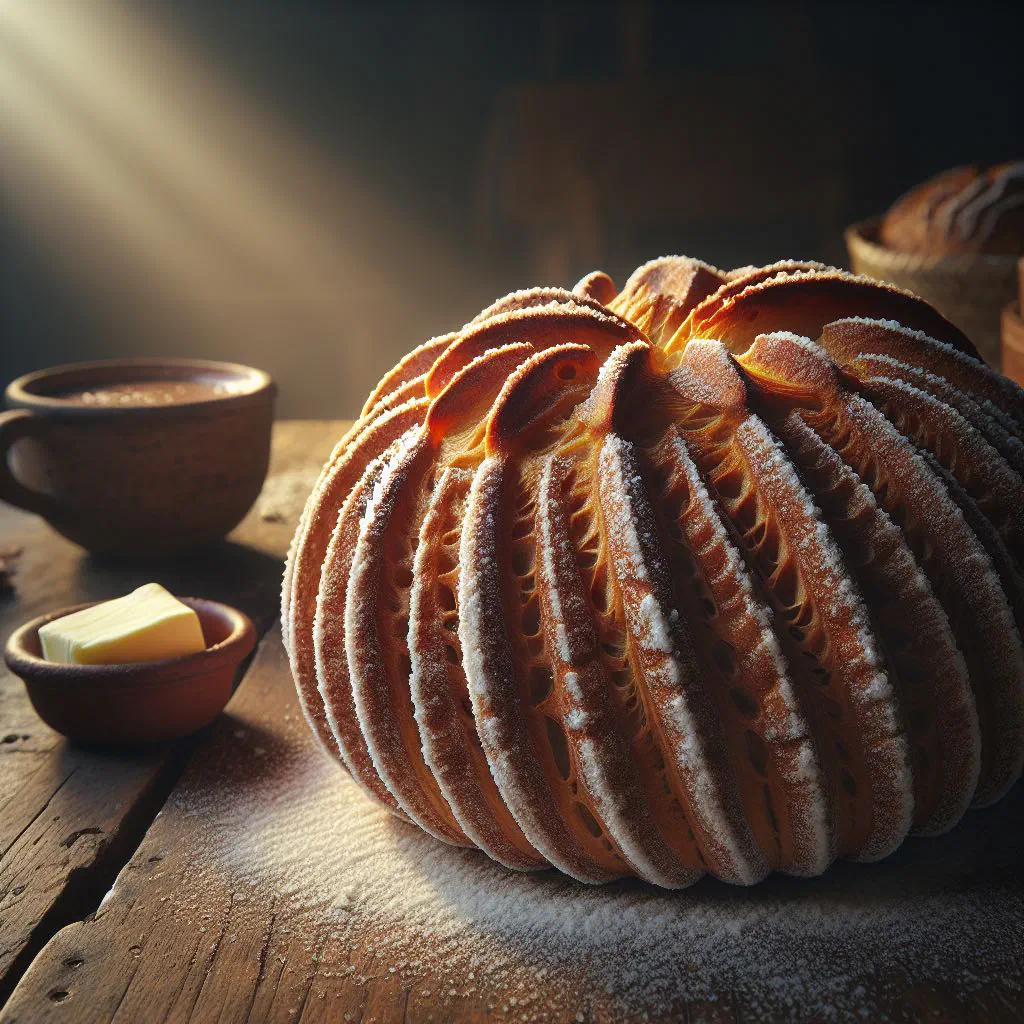
Discover Pan Dulce, the colourful sweet breads that fill bakeries across El Salvador. These cheerful, aromatic pastries are the perfect companion to a cup of coffee or tea, each one a little different in shape and flavour. Woven deep into everyday Salvadoran life, they are baked at home and shared among friends and family. Bring a taste of that warm, welcoming tradition into your own kitchen with this simple recipe.
About Pan Dulce
Pan dulce, the traditional pastry of El Salvador, carries a long history and forms an integral part of the country’s culture and cuisine. These bright, aromatic baked goods are a treat not only for the palate but for the eyes as well. Every piece is unique in shape and taste, which makes trying the different varieties such an enjoyable adventure. Many families in El Salvador look forward to preparing these treats in bakeries or at home and sharing them with loved ones, a comforting ritual much like the one that surrounds a warming cup of Chilate.
Ingredients (serves 1–2)
- 250 g flour
- 100 g sugar
- 2 eggs
- 50 g butter
- 1 sachet baking powder
- 1 tsp vanilla extract
- A pinch of salt
- Food colouring (optional)
Shopping for the ingredients
The ingredients for pan dulce are easy to find in most supermarkets or specialist Latin American grocery shops. Flour, sugar and butter are basic staples you are likely to have in the cupboard already. For extra flavour and colour, such as food colouring, take a look in the baking aisle. Do make sure to use fresh eggs, as they have a decisive influence on the texture of the finished pastry.
Preparing the dish
Preparing pan dulce takes a little time and skill, but it is well within reach for anyone. Begin by preheating the oven to 180 °C. While the oven warms up, measure out and lay out your ingredients. Weighing everything accurately is key to achieving the right consistency and the best flavour. Don’t forget to grease your baking tray well so the pieces come away cleanly once baked.
Step-by-step instructions
- In a large bowl, beat the butter and sugar together until creamy.
- Add the eggs one at a time, mixing well after each.
- In a separate bowl, combine the flour, baking powder and salt.
- Gradually add the dry ingredients to the butter mixture and mix well.
- Stir in the vanilla extract and, if using, the food colouring.
- Turn the dough out onto a floured surface and knead until smooth.
- Cut out or shape into the forms you like and place on a baking tray.
- Bake in the preheated oven for about 15–20 minutes.
Gluten-free / lactose-free version
For anyone with a gluten or lactose intolerance, there are easy ways to adapt pan dulce. Use gluten-free flour or a blend of different flours such as almond or coconut flour. Be sure to reach for lactose-free butter or a plant-based alternative like margarine. These swaps may alter the taste and texture of the pastry slightly, but the results can be every bit as delicious.
Tips for vegans and vegetarians
For vegan versions of pan dulce, the eggs can be replaced with flaxseed meal or apple purée. These alternatives help maintain the structure of the dough. The butter should likewise be swapped for a plant-based margarine. Take care that other ingredients, such as the baking powder, contain no animal products either.
More tips and tricks
To get the very best results with pan dulce, a few insider tips go a long way. Ingredients should always be at room temperature to ensure an evenly mixed dough. Experiment with different flavours by folding in nuts, chocolate or dried fruit. Baking in a fan oven can also deliver more even results across the tray.
Adapting the recipe to your taste
One of the great joys of pan dulce is how readily it can be adapted to personal preference. Add extra spices such as cinnamon or nutmeg to vary the flavour. You can also adjust the sweetness by using less sugar or trying alternatives like honey or agave syrup. In the end there are scarcely any limits to your creativity when making pan dulce.
Ingredient substitutions
If you would rather leave out certain ingredients, there are several alternatives to help. Regular flour, for example, can be swapped for gluten-free flour without changing the taste dramatically. For a less sweet pastry, the sugar can be replaced with natural sweeteners, a trick that also works nicely in a batch of Torrejas. Experiment with different combinations to find the perfect mix for your palate.
Drink pairing ideas
To round off the experience of pan dulce, a range of drinks can be served alongside. A cup of freshly brewed coffee is the classic choice and pairs perfectly with the sweet pastry. Teas such as chai or black tea also work well, bringing new flavour notes into play. For an alcohol-free refresher, consider a fresh fruit juice or sparkling water. A creamy Horchata makes a wonderfully authentic Salvadoran match.
Serving and presentation ideas
The presentation of pan dulce is almost as important as the baking itself. Serve the pieces on a colourful plate or in a pretty bowl to please the eye. Dress the table with fresh flowers or an attractive cloth to create an inviting atmosphere. These little touches can lift your guests’ snacking experience considerably.
A bit of history
The story of pan dulce reaches far back and is deeply rooted in Salvadoran culture. The pastry has its origins in the Spanish colonial era, when the influences of Spanish bakers flowed into the local kitchen. Over the years pan dulce has evolved, and today it reflects a range of regional flavours and traditions. It is not merely a popular snack but a symbol of identity for many Salvadorans, and a proud fixture of Salvadoran cuisine alongside beloved treats like Quesadilla.
More recipe ideas
Summary: Pan Dulce
In summary, pan dulce is an indispensable part of Salvadoran cuisine, offering a remarkable variety of flavours and shapes. Whether as a sweet snack with coffee, part of a special occasion, or simply something to savour, this pastry charms everyone who tries it. With the right preparation and plenty of scope for personal touches, you can easily recreate this traditional treat at home. Let the sweet side of El Salvador win you over.