National Dish El Salvador: Pastel de Tres Leches con Cajeta (Recipe)
In this article
Discover Pastel de Tres Leches, the beloved soaked sponge cake from El Salvador that has won over dessert lovers around the world. What makes it so special is the way a light sponge is drenched in three different milks and finished with a glossy ribbon of cajeta caramel. The result is a cake that stays wonderfully moist, tender and full of flavour. This is a dessert that never disappoints.
About Pastel de Tres Leches
Pastel de Tres Leches is an unmistakable dessert from El Salvador that appeals to lovers of sweet treats far beyond its borders. Its signature lies in the use of three different milks, sweetened condensed milk, whole milk and whipping cream, which together create an uniquely rich flavour and a very soft texture. Soaking the cake in this luscious mixture keeps it exceptionally moist and aromatic. Whether at festive gatherings or as a simple sweet snack, Pastel de Tres Leches is an absolute must, and it sits proudly among the great classics of Salvadoran cuisine.
Ingredients (serves 1–2)
- 100 g plain flour
- 3 eggs
- 150 g sugar
- 1 tsp baking powder
- 200 ml milk
- 200 ml sweetened condensed milk
- 200 ml whipping cream
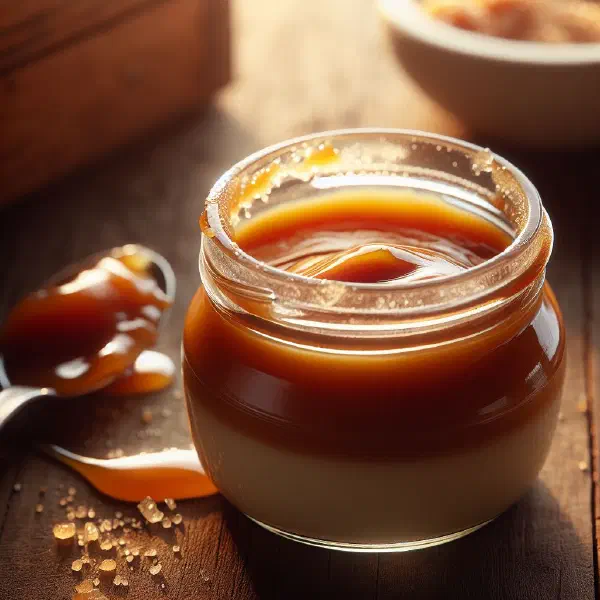
- 50 g cajeta (caramel sauce made from goat’s milk)
Shopping for the ingredients
When shopping for the ingredients for Pastel de Tres Leches, it is worth heading to a well-stocked supermarket or a specialist Latin American grocery. That way you can find everything you need, including the sweetened condensed milk and the cajeta, which plays such an important role in this dessert. Pay attention to the quality of the cream, too, as it contributes greatly to the cake’s creamy texture. If you want to recreate the authentic flavours faithfully, seek out original Salvadoran products.
Preparing the dish
Preparing Pastel de Tres Leches is a straightforward process, though it does take a few careful steps to achieve the best result. Begin by beating the eggs and sugar together in a bowl until the mixture is pale and foamy. Sift together the flour and baking powder to avoid lumps before gently folding them into the egg mixture. These steps are crucial for guaranteeing a light, airy and pleasant texture.
Step-by-step instructions
- Preheat the oven to 180°C and grease a baking tin.
- Beat the eggs and sugar together in a large bowl until pale and foamy.
- Add the flour and baking powder and mix everything well.
- Pour the batter into the prepared tin and bake for about 25 minutes.
- Once baked, leave the cake to cool, then prick holes all over it with a fork.
- In a separate bowl, combine the three milks and pour them evenly over the cake.
- Chill in the fridge for several hours so the cake can soak up the milk.
- Before serving, spread over the whipping cream and garnish with cajeta.
Gluten-free / lactose-free version
A gluten-free Pastel de Tres Leches is easy to achieve by swapping the wheat flour for a gluten-free flour blend. To enjoy this traditional recipe without lactose, use lactose-free milk and a plant-based alternative to the whipping cream. The result stays every bit as moist and delicious. Just be sure to choose specific gluten-free products to get the best results.
Tips for vegans and vegetarians
For a vegan version, the eggs can be replaced with a mixture of apple sauce or flaxseed. The milks can likewise be swapped for plant-based alternatives such as almond milk, coconut milk and soya-based cream. These adjustments let vegans enjoy the delicious taste of Pastel de Tres Leches without straying from their dietary principles. Experiment with different plant-based products to find your personal favourite version.
More tips and tricks
An important tip when making Pastel de Tres Leches is to let the cake cool thoroughly before pouring over the milk mixture. This helps the sponge absorb the liquid far more evenly. Experiment, too, with adding flavourings such as vanilla or cinnamon to bring extra depth to the cake. To improve the texture, it can help to pour the milk mixture slowly over the cake so it soaks in evenly throughout.
Adapting the recipe to your taste
The recipe for Pastel de Tres Leches is wonderfully adaptable, so you can easily tailor it to your own preferences. Add fruit such as bananas or strawberries, for example, to bring a fresh note to the fore. For chocolate lovers, stirring cocoa powder into the batter creates a chocolatey variation that is just as delicious. The key is that there are countless ways to vary the recipe to suit your taste.
Ingredient substitutions
If you don’t have some of the traditional ingredients to hand, there are plenty of alternatives. Instead of sweetened condensed milk, you can use a mixture of ordinary milk and sugar. If you can’t find cajeta, replace it with a simple caramel sauce made from ordinary sugar, much like the golden pull of a Dulce de Leche. Try different combinations to find the version that is perfect for you.
Drink pairing ideas
This delicious dessert pairs beautifully with a range of drinks. A classic latte macchiato or a strong coffee rounds off the sweetness of the cake perfectly. Alternatively, serve a fruity lemonade or a mild fruit tea to create a refreshing contrast, or reach for a traditional cup of Horchata. The choice of drink can make a real difference to the overall experience and heighten the enjoyment even further.
Serving and presentation ideas
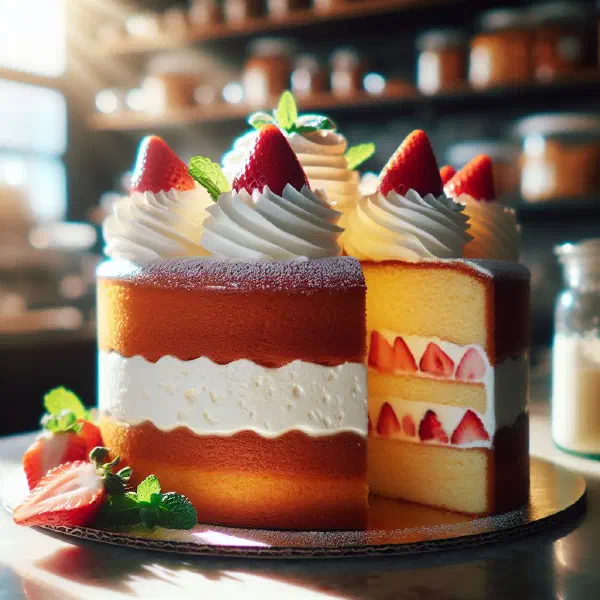
Presentation can be crucial in making Pastel de Tres Leches stand out on the table. Serve the cake on an attractive cake plate and garnish it with fresh berries or other fruit to add colour and freshness. A light dusting of icing sugar can also create a charming effect. These small details make a big difference when it comes to presentation and the picture on the dining table.
A bit of history
Pastel de Tres Leches has its roots in Latin American cooking, where it rose to become one of the most popular desserts of all. There are various myths about its origins, with some suggesting it became popular during the years of economic hardship, when people looked for ways to make the most of their resources. Over time the recipe spread across borders, and many countries have developed their own version of this delicious cake, including its close cousin, the classic Tres Leches. Today it is a fixture of countless festivities and special occasions.
More recipe ideas
Summary: Pastel de Tres Leches
Pastel de Tres Leches is a delicious companion for any occasion and offers a deeper connection to Salvadoran culture. With its unique combination of three milks and its special cajeta, it is a dessert that seduces the senses. Whether in its many variations or as a gluten-free and vegan option, this recipe can be adapted entirely to your liking. Let this sweet indulgence inspire you and bring a little piece of El Salvador into your own kitchen.