National Dish El Salvador: Pupusas (Recipe)
In this article
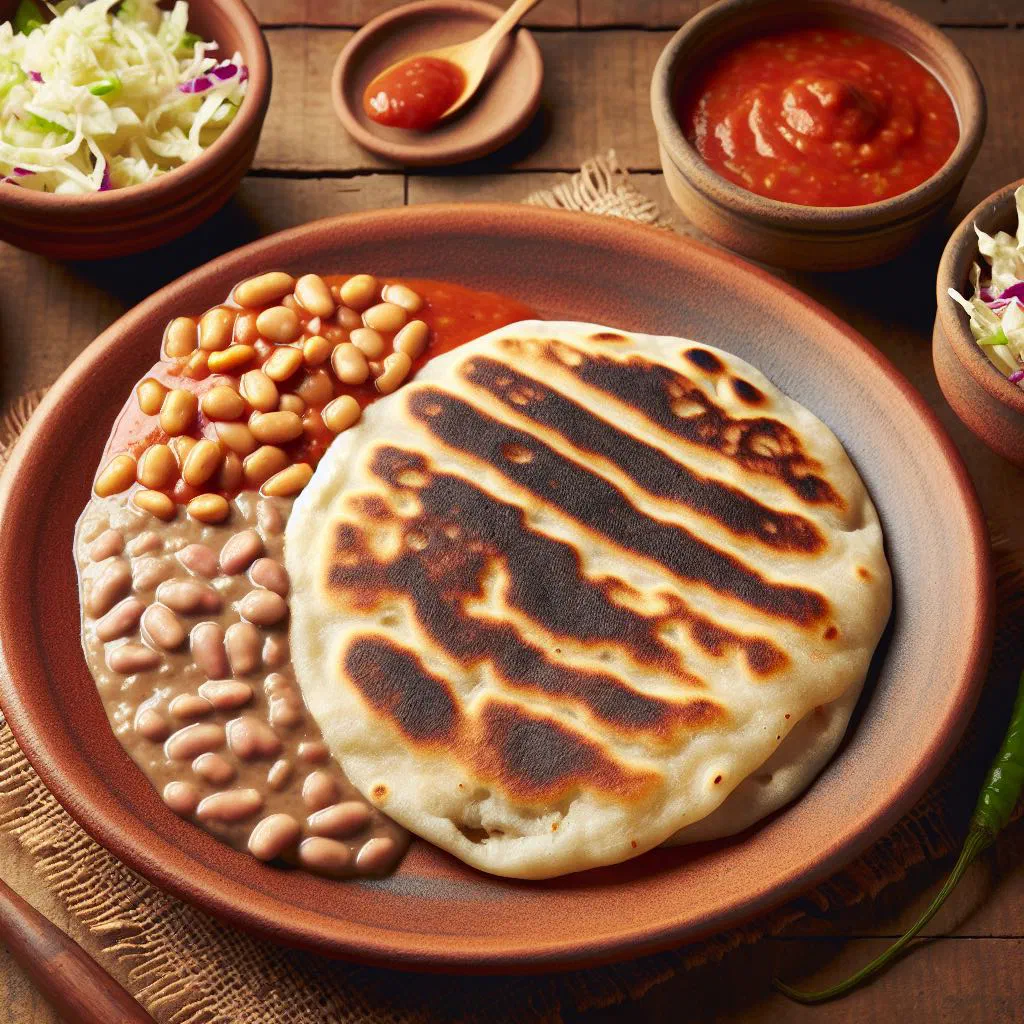
Pupusas are stuffed maize flatbreads, griddled until they blister, and they come with curtido, a sharp fermented cabbage slaw, which is not optional. El Salvador has a national Pupusa Day on the second Sunday of November.
About Pupusas
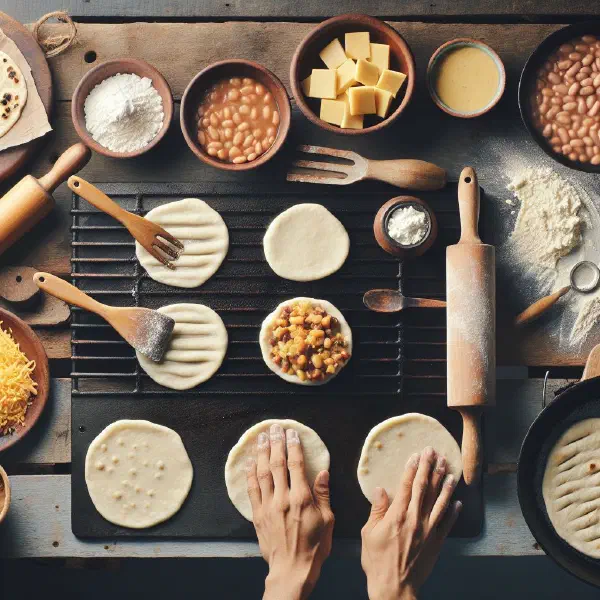
A pupusa is a disc of masa with a filling sealed inside, patted flat between the hands and cooked on a hot griddle. The three standard fillings are cheese, refried beans and chicharrón, and the combination of all three is revuelta. Loroco, an edible flower bud, is the other classic.
The patting is the skill. Salvadoran pupuserías have a rhythm to it that you can hear from the street.
Ingredients (serves 1–2)
- 2 cups masa harina (corn flour for flatbreads)
- 1 1/2 cups water (possibly more)
- 1/2 teaspoon salt
- 200 g grated cheese (traditionally Salvadoran cheese or mozzarella)
- 100 g cooked red beans, puréed
- 100 g chicharrón (fried pork), finely ground
Shopping for the ingredients
Masa harina is nixtamalised maize flour, sold as Maseca. Ordinary cornmeal or polenta will not work and no amount of water will fix it. Quesillo is the Salvadoran cheese; a low-moisture mozzarella is the closest substitute. Loroco is sold frozen or in jars in Latin American shops.
Preparing the dish
Mix the dough and let it rest ten minutes; it should feel like soft plasticine and not crack at the edges when pressed. Keep a small bowl of water or oil beside you for wetting your hands, because masa sticks otherwise. Have the fillings cold and firm.
Step-by-step instructions
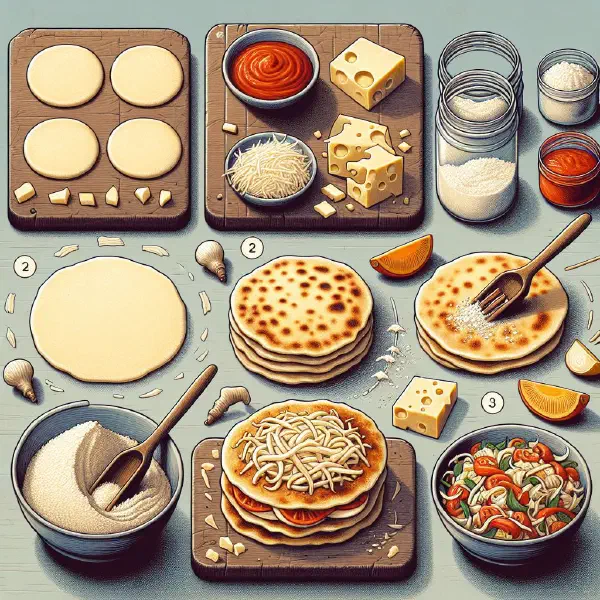
- Mix the masa harina, water and salt into a smooth dough. If it feels too dry, add a little more water. The dough should be soft and pliable, but not sticky.
- Divide the dough into roughly 8 small balls.
- Flatten each ball and place a little of your chosen filling in the centre. Fold the dough up around the filling and roll it back into a ball.
- Gently press the ball flat again until you have a filled, even flatbread.
- Heat a pan over medium heat and griddle the pupusas on both sides until golden-brown.
Gluten-free / lactose-free version
Masa harina is maize and contains no gluten, so bean-filled pupusas are naturally gluten-free. The cheese versions are not lactose-free, though a firm plant cheese works reasonably. Curtido is vegan and gluten-free.
Tips for vegans and vegetarians
Bean pupusas are vegan if the beans are fried in oil rather than lard, which is worth checking. Pupusas de frijol con queso are the standard vegetarian order. Loroco with a plant cheese is genuinely good.
More tips and tricks
Wet your hands between each one. Seal the filling completely, since any gap lets cheese escape and burn onto the griddle. And cook them on a properly hot dry surface with no oil: pupusas are griddled, not fried, and they should blister rather than brown evenly.
Adapting the recipe to your taste
Revueltas combine all three fillings. Rice pupusas come from Olocuilta and are made with rice flour instead of maize. Loroco and cheese is the version most Salvadorans abroad miss.
Ingredient substitutions
Mozzarella or a mild feta replace quesillo. Any refried bean works. Grated courgette or squash makes a good filling and is common now.
Drink pairing ideas
Horchata, made in El Salvador with morro seeds rather than rice, is the traditional partner. Tamarind juice is the other. Cold beer works in the evening.
Serving and presentation ideas
Serve them hot off the griddle with curtido and a thin tomato salsa roja poured over. They are eaten with the hands, torn open, with the curtido pushed inside. Two or three per person.
A bit of history
Pupusas are pre-Columbian in origin, attributed to the Pipil peoples, and stone griddles found in El Salvador suggest they go back well over a thousand years. They spread internationally with Salvadoran migration during and after the civil war. They anchor Salvadoran cuisine more completely than most national dishes do.
More recipe ideas
Summary: Pupusas
Pupusas are masa flatbreads stuffed with cheese, beans or pork, griddled dry until blistered. Keep your hands wet, seal the filling completely, and serve them with curtido.