National Dish El Salvador: Sopa de Mondongo (Recipe)
In this article
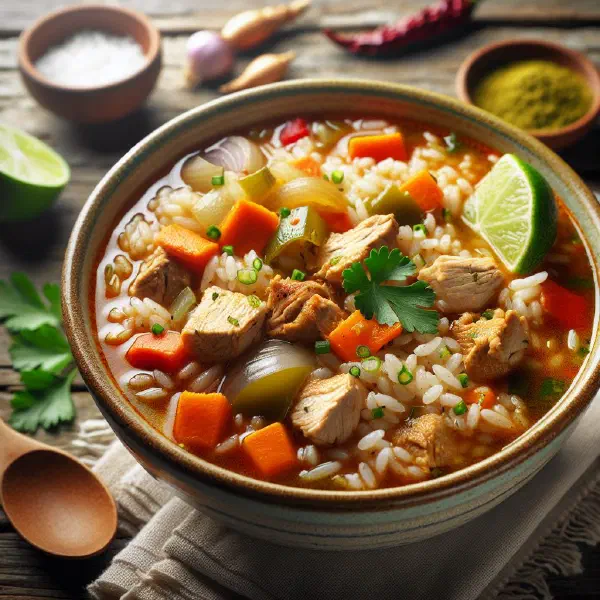
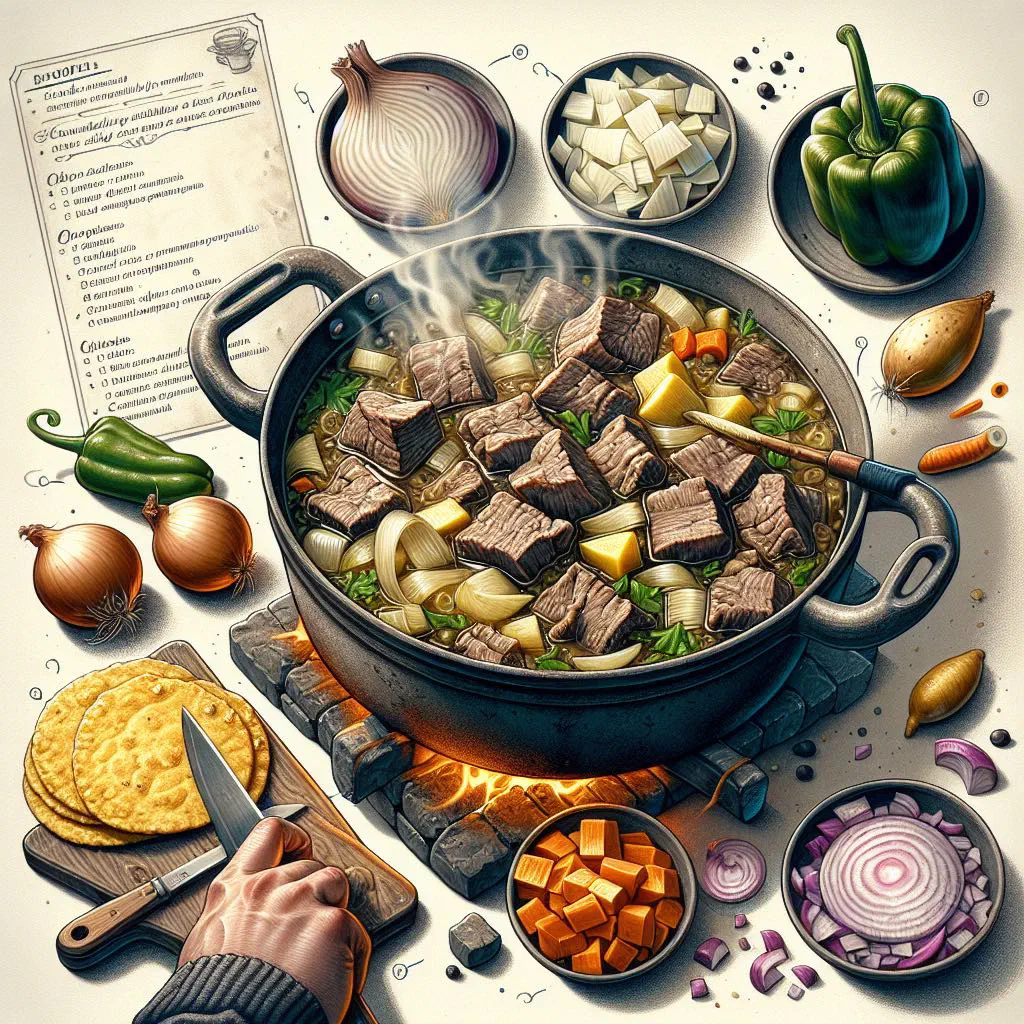
Meet Sopa de Mondongo, a rich and warming soup that sits close to the heart of El Salvador’s home cooking. Tender tripe is slowly simmered with potatoes, carrots and fragrant herbs until the whole pot turns deep and satisfying. It is the kind of dish that draws family and friends around the table, especially at gatherings and celebrations. Hearty, aromatic and full of character, it brings the flavours of Central America straight into your own kitchen.
About Sopa de Mondongo
Sopa de Mondongo is a traditional dish from El Salvador, prized as much for its unmistakable flavour as for its rich, comforting preparation. This lively soup pairs tender beef or pork tripe with a generous mix of vegetables and warming spices, producing an aroma that lingers pleasantly in the kitchen. It is especially popular at sociable get-togethers and family celebrations, where a big pot of it has a way of bringing everyone together.
Ingredients (serves 1–2)
- 500 g beef or pork tripe
- 2 large potatoes
- 2 carrots
- 1 onion
- 2 cloves of garlic
- 1 pepper
- 6 cups water
- 2 bay leaves
- Salt and pepper, to taste
- Fresh coriander leaves, to garnish
Shopping for the ingredients
When shopping for Sopa de Mondongo, it pays to look closely at the quality of what you buy. Visit a local market or a good butcher to pick up the freshest beef or pork tripe you can find. Choose fresh vegetables too, as they have a big influence on the final flavour of the soup. The onion, garlic and pepper are worth sourcing carefully, and organic produce is a lovely choice where you can find it.
Preparing the dish
Making Sopa de Mondongo begins with cleaning the tripe thoroughly. Cut it into small pieces so it cooks evenly and turns meltingly tender. While that is under way, peel and dice the vegetables such as potatoes and carrots. Finely chop the onion and garlic cloves so their aroma releases fully and distributes right through the soup.
Step-by-step instructions
- Bring the beef or pork tripe to the boil in a large pot of water and let it simmer for about 30 minutes.
- Add the prepared vegetables — potatoes, carrots, onion, garlic and pepper.
- Add the bay leaves and season with salt and pepper, then let the soup simmer for a further 30–40 minutes until everything is cooked through.
- Before serving, remove the bay leaves and garnish with fresh coriander leaves to taste.
Gluten-free / lactose-free version
The recipe for Sopa de Mondongo contains no gluten, which makes it suitable for anyone with a gluten intolerance. There is no need for any dairy either, so the dish is naturally lactose-free as well. That means people who need to watch these ingredients can enjoy this delicious soup without a second thought. Simply take care to choose fresh, unprocessed ingredients throughout.
Tips for vegans and vegetarians
Although traditional Sopa de Mondongo is made with meat, vegans and vegetarians can prepare an alternative version. In place of the tripe, use plant-based proteins such as soy chunks or tofu to echo a similar texture. Swap the meaty base for a good vegetable stock to keep that hearty depth of flavour. Round the soup out with extra vegetables such as courgette or kale for an added nutritional boost.
More tips and tricks
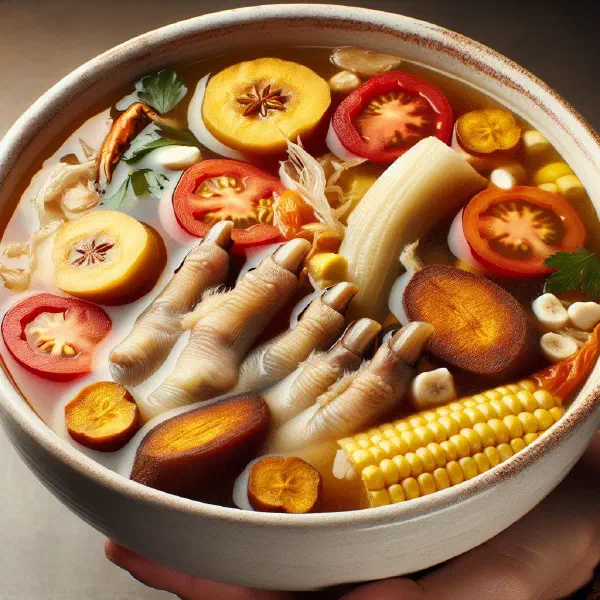
To deepen the flavour of Sopa de Mondongo even further, add some diced chilli or a little chorizo while it cooks. Let the soup simmer slowly so the flavours have plenty of time to develop and mingle. You can even leave it in the fridge overnight, so the aromas blend together and taste all the better the next day. Serve it piping hot for the very best result, much like a good Sopa de Pata.
Adapting the recipe to your taste
The beauty of Sopa de Mondongo is how easily its ingredients can be adjusted. Depending on personal preference, you can add more types of vegetable or swap some out for others. The spices can be varied too, dialling the heat or the flavour up or down to suit you.
Ingredient substitutions
If you would rather not use the traditional beef or pork tripe, you can reach for jackfruit or mushrooms to achieve a comparable taste and mouthfeel. These ingredients absorb flavour well and capture the essence of the soup. For a quicker preparation, an instant stock can stand in for fresh ingredients, so you can still conjure up a delicious meal even when you are pressed for time.
Drink pairing ideas
A range of drinks pairs beautifully with Sopa de Mondongo and rounds off the meal. A cold Mexican-style lager harmonises wonderfully with the soup’s bold aromas. A freshly made tropical juice or a glass of lemonade can balance the flavours nicely too. Alcohol-free cocktails are another good option to support the taste of the soup.
Serving and presentation ideas
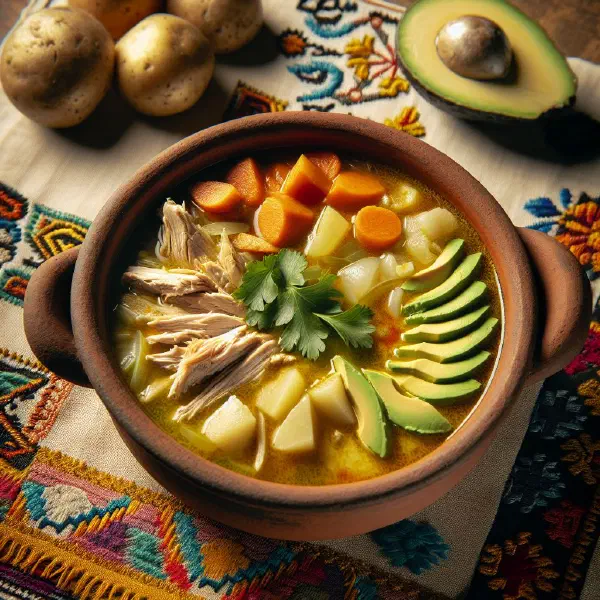
Presentation and plating make all the difference to the experience. Serve Sopa de Mondongo in an attractive, deep bowl and garnish it with fresh coriander leaves and a squeeze of lemon juice. For an extra pop of colour, scatter a few spicy peppers or slices of sweet pepper into the bowl. A rustic piece of bread on the side completes the picture and makes the meal even more inviting.
A bit of history
Sopa de Mondongo has its origins in traditional Salvadoran cooking and is far more than a mere dish. It is a piece of culture. Often prepared for special occasions and festivals, it stands for the warmth and hospitality of the Salvadoran people. Shaped first by indigenous peoples and later by Spanish influences, the recipe has evolved over the years. It is a fine example of the riches of El Salvador’s cuisine.
More recipe ideas
Summary: Sopa de Mondongo
Sopa de Mondongo offers a memorable taste adventure and is a firm fixture of Salvadoran cuisine. With its rich ingredients and loving preparation, it delivers a delicious dish and warm, sociable moments. Whether at a family celebration or a cosy dinner, Sopa de Mondongo brings the best flavours of El Salvador straight to your table. Give it a try and enjoy the variety and the authentic taste of Salvadoran tradition.