National Dish England: Bannocks (Recipe)
In this article
Meet Bannocks, the humble griddle flatbread that has quietly fed Britain for centuries. Made from little more than flour, water and a pinch of salt, these rustic rounds are as versatile as they are satisfying, equally at home soaking up a bowl of soup or slathered with jam for a quick breakfast. Warm or cold, plain or dressed up with herbs, they carry an unmistakable British charm that turns the simplest pantry staples into something memorable.
About Bannocks
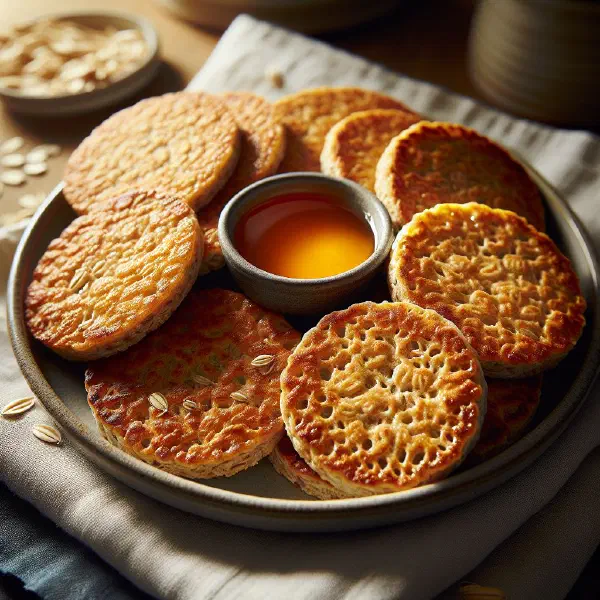
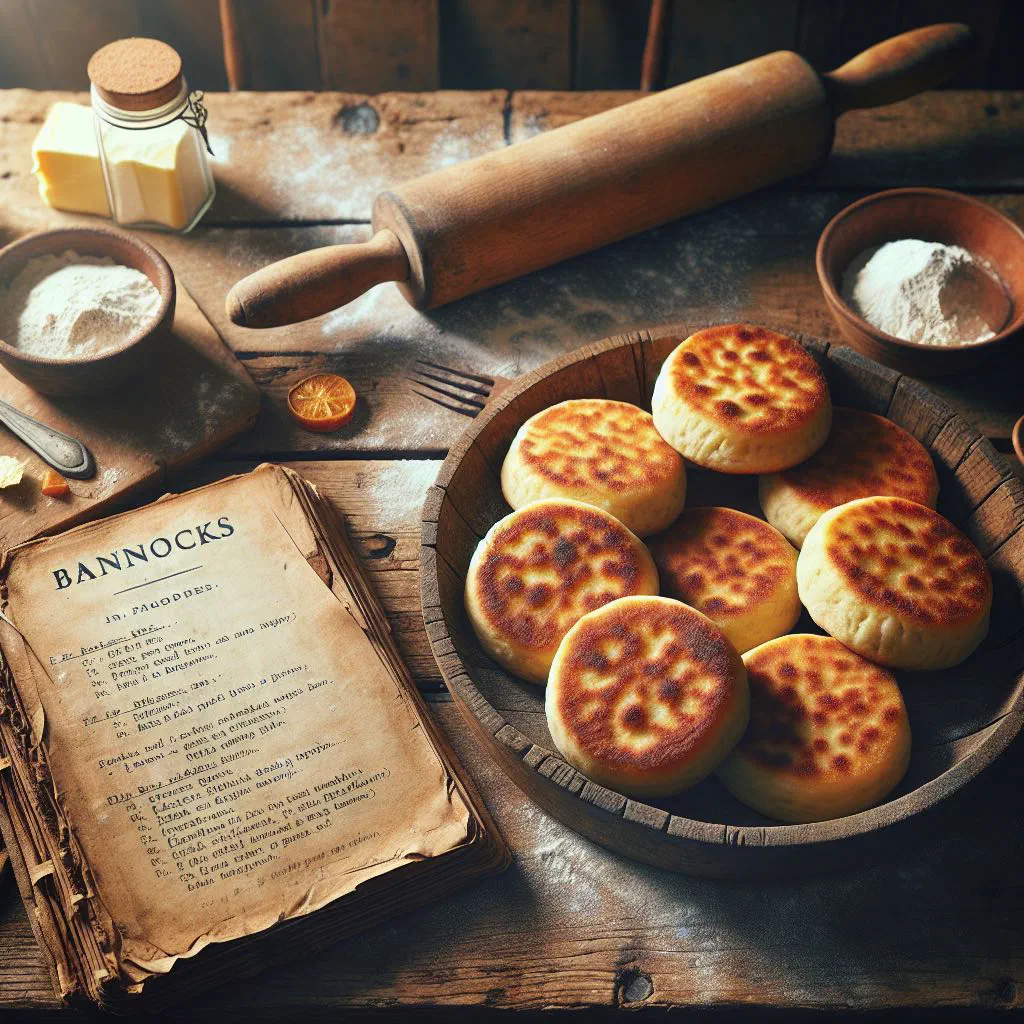
Bannocks are hearty flatbreads with deep roots in British cookery, today counted among the national dishes of England. This rustic bread is built from the most basic ingredients, flour, water and salt, yet it is prized above all for its versatility. You can enjoy it warm straight from the pan or serve it cold, which makes it an ideal partner for soups or a fuss-free breakfast option. Spread with a little jam, bannocks reveal a special, distinctly British appeal that pleases just about every palate. Their unfussy nature has kept them a fixture of the home kitchen for generations.
Ingredients (serves 1–2)
- 150 g flour (wheat or spelt)
- 100 ml water
- 1 pinch of salt
- 1 tablespoon oil (optional, for a softer texture)
Shopping for the ingredients
Get ready for your shop by jotting down a quick list of what you need. The ingredients for bannocks are easy to find in almost any supermarket, especially the flour and salt. It is worth choosing a good-quality flour, as this has a real bearing on both the flavour and the texture of the finished bread. If you have particular dietary needs, you will also find gluten-free flour that works perfectly for making bannocks.
Preparing the dish
Making bannocks takes only a few quick, straightforward steps. Begin by gathering all your ingredients and keeping your work surface tidy and clean. These hearty flatbreads scale up easily, so you can make a larger batch to serve at family gatherings or barbecue evenings. Their simple preparation makes them a brilliant choice whenever you fancy rustling up something tasty on the spur of the moment.
Step-by-step instructions
- Combine the flour and salt in a bowl.
- Add the water a little at a time, kneading everything into a smooth dough.
- Roll the dough out thinly on a floured surface.
- Bake the flatbreads in a hot, dry pan for 3–4 minutes per side, until golden brown.
- Serve warm and top to taste, or use as a side.
Gluten-free / lactose-free version
For anyone who prefers a gluten-free or lactose-free diet, there are easy ways to adapt this recipe. Swap the wheat flour for gluten-free flour such as rice flour or buckwheat flour. Make sure all your other ingredients are gluten-free too, particularly with any processed foods. For a lactose-free version you can simply bind the dough with water or plant-based milk, and choose lactose-free toppings to finish.
Tips for vegans and vegetarians
Bannocks are naturally simple and make a fantastic choice for vegans and vegetarians alike. Since the base recipe contains no animal products, you only need to make sure your toppings and accompaniments are plant-based as well. For extra variety and flavour, work fresh herbs or spices into the dough. This gives the bannocks a lovely twist and makes them that bit more wholesome.
More tips and tricks
To get the very best from your bannocks, keep a few handy tips in mind. Make sure the pan is properly hot before you add the flatbreads, so they develop a beautiful golden-brown crust. Experiment with different types of flour for varied flavours and textures. Working a little onion or cheese into the dough can also lend the bannocks extra interest that your family and friends will love.
Adapting the recipe to your taste
Another advantage of bannocks is just how adaptable they are. You can easily tweak the recipe to suit your taste, adding herbs such as rosemary, thyme or even a touch of chilli, for example. If you prefer a sweeter version, knead in a little sugar or honey. It is also worth thinking about which toppings best match your style of eating; here the possibilities are all but endless.
Ingredient substitutions
If you do not have every ingredient to hand, there are plenty of alternatives. Instead of water you can use vegetable stock to give the bannocks extra savoury depth. For gluten intolerances, reaching for gluten-free alternatives is a great option too. Be creative and make the most of whatever is in the cupboard to put your own stamp on your bannocks, much like the easygoing approach behind classic Pikelets or Singin’ Hinnies.
Drink pairing ideas
Bannocks pair beautifully with a whole range of drinks. A classic cup of English breakfast tea or a herbal tea sits wonderfully alongside the savoury flavour of the flatbreads. For a more celebratory note, you might consider a glass of cider or a light, fruity beer.
Serving and presentation ideas
The way you present your bannocks can make a real difference to the overall impression of the dish. Serve them on a rustic wooden board to play up the traditional British look. Garnish the flatbreads with fresh herbs, or set out a selection of jams in little dishes so guests can pick and choose. Touches like these show off your culinary flair and make the meal all the more inviting. Try them alongside a classic Cream Tea for a proper spread.
A bit of history
Bannocks have a long and storied place in British cookery. They were originally made as a survival food by the Highlanders of Scotland and remain part of the culinary heritage of many regions to this day. Their humble ingredients reflect the need to put together a nourishing meal without much fuss or effort. Over the years the recipes have evolved, yet they stay true to the uncomplicated spirit of the bannock, the same down-to-earth tradition that runs through much of England’s cuisine.
More recipe ideas
Summary: Bannocks
Bannocks are an excellent choice for anyone keen to get to know British food culture. These hearty flatbreads are simple to make and endlessly variable and easy to tailor to your own preferences. For a cosy breakfast or as a quick snack, bannocks bring a slice of British comfort to your table. Discover the range of flavours and the cultural depth of this traditional bread, and give it a go for yourself.