National Dish England: Bath Buns (Recipe)
In this article
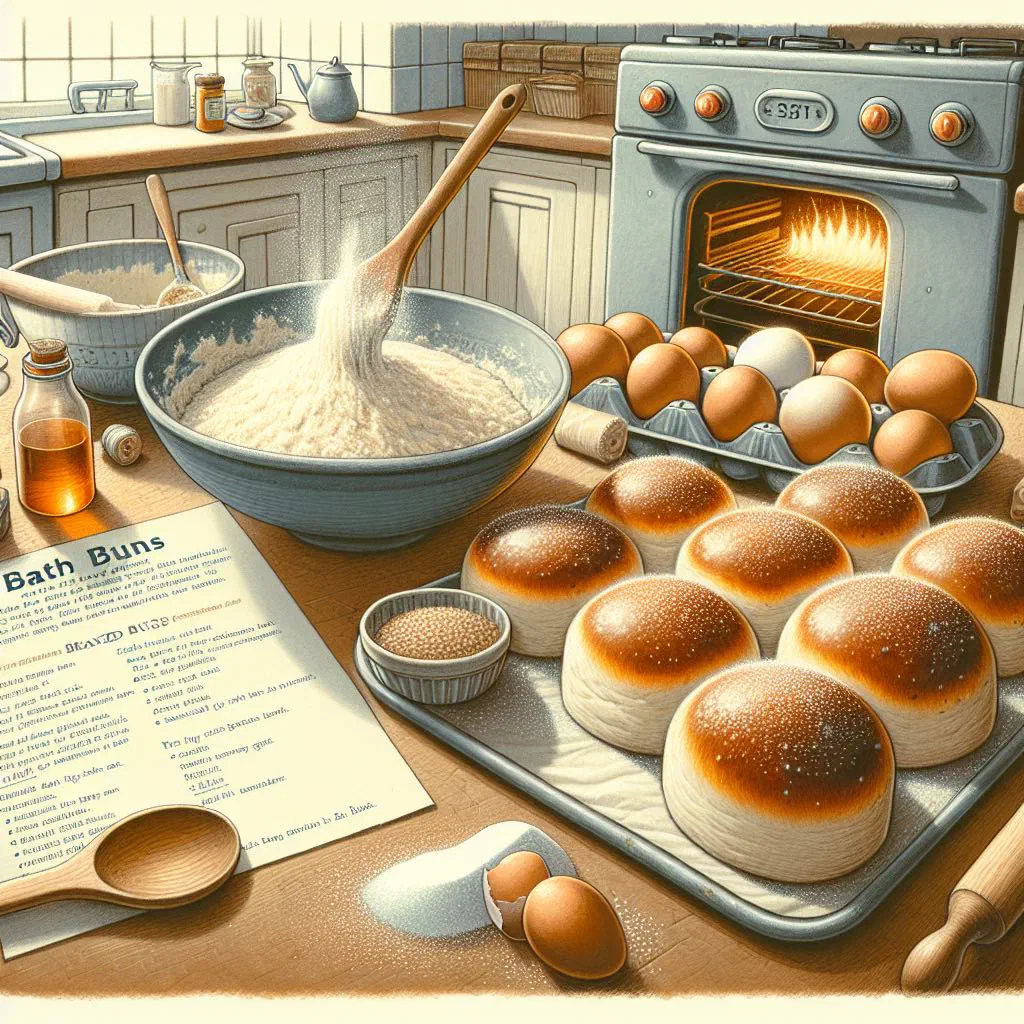
Say hello to Bath buns, one of England’s most comforting teatime treats. These soft, tender little buns are speckled with raisins and warmed with a whisper of nutmeg, making them a very good companion to a steaming pot of tea. Born in the elegant spa city of Bath, they are as at home on the breakfast table as they are on a leisurely afternoon spread. Bring a slice of cosy British tradition straight into your own kitchen.
About Bath Buns
Bath buns are far more than a simple sweet bake; they are a small but cherished piece of British culture and tradition. Originally hailing from the city of Bath, these soft, tender buns deliver a real burst of flavour thanks to plump raisins and a gentle hint of nutmeg. They suit any time of day, whether enjoyed at breakfast, grabbed as a snack, or served alongside a cup of tea in the afternoon. In England they have long since become a symbol of warmth and comfort, much like a slice of Lardy Cake shared over a good chat.
Ingredients (serves 1–2)
- 250 g flour
- 50 g sugar
- 1 sachet dried yeast
- 125 ml milk
- 50 g butter
- 1 egg
- 50 g raisins
- 1 pinch of nutmeg
- A pinch of salt
Shopping for the ingredients
To make the best Bath buns, it pays to use fresh, good-quality ingredients. Flour, sugar and yeast are easy to find in any supermarket, so these need little thought. Do take care to choose plump, fresh raisins, as they give the buns their distinctive sweet character. The milk and butter should be fresh too, so that the finished bake turns out as light and flavourful as possible.
Preparing the dish
Before you begin making the Bath buns, measure out all your ingredients and set them within easy reach. This makes the whole baking process smoother and means nothing gets left out by accident. Remember to preheat the oven to 180°C in good time so it is ready when the dough is. A clean, well-organised work surface helps you keep track of each step and lets everything come together without fuss.
Step-by-step instructions
- In a bowl, combine the flour, sugar, yeast and salt.
- Melt the butter into the milk, then add it along with the egg to the dry ingredients.
- Work in the raisins and the nutmeg.
- Knead the dough thoroughly and leave it to prove in a warm place until doubled in size.
- Divide the dough into small portions, shape them, and leave to prove once more.
- Bake the buns in the preheated oven for 20–25 minutes, until golden.
Gluten-free / lactose-free version
Bath buns are easy to turn into a gluten-free and lactose-free treat. Use a gluten-free flour blend in place of wheat flour, and swap in lactose-free milk and butter to achieve the same delicious result. Do check that all the other ingredients, such as the sugar and yeast, are gluten-free too. With these simple adjustments, anyone with particular dietary needs can still enjoy this teatime classic.
Tips for vegans and vegetarians
For vegan Bath buns, replace the egg with a suitable plant-based binder such as apple purée or ground linseed. The butter can be swapped for vegan margarine or coconut oil with no loss of flavour. Be sure to check that all the remaining ingredients are free from animal products. That way vegans and vegetarians alike can tuck into this much-loved British bake.
More tips and tricks
For the very best Bath buns, knead the dough well to develop a light, tender crumb. Give it plenty of time to prove, as this is crucial to the final texture. A little willingness to experiment can lead to lovely new flavours too, perhaps by folding in different dried fruits or a scattering of nuts. Above all, bake the buns until they are an even golden brown so they turn out just right.
Adapting the recipe to your taste
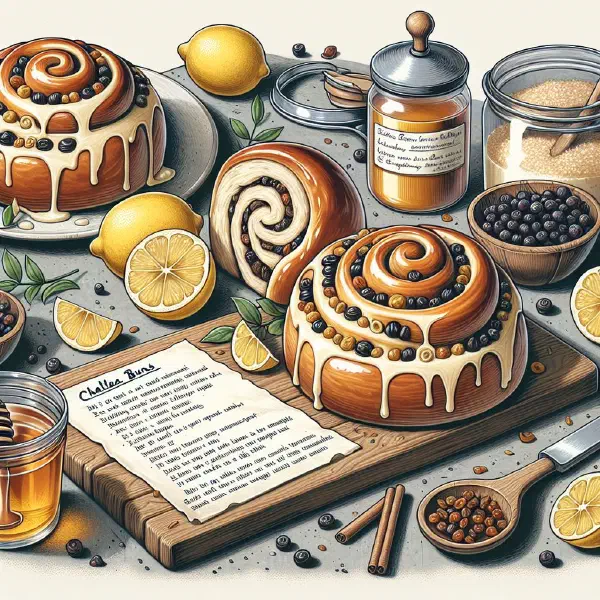
Bath buns can be refined however you fancy. Try adding warming spices such as cinnamon or cardamom to give the bake an extra dimension. The fruity element can be varied too, so swap the raisins for dried apricots or cranberries if you prefer. There are no limits to your creativity, which means every batch can be uniquely your own, in the same spirit as the spiced Chelsea Buns.
Ingredient substitutions
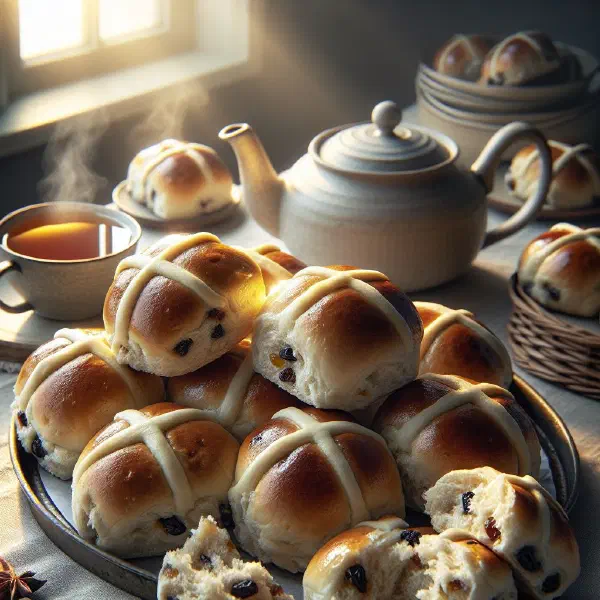
If raisins are not to your liking, they can easily be replaced with other dried fruits or even a handful of chocolate chips. The sugar can be swapped for honey or another sweetener of your choice. And if nutmeg is not a favourite, a little vanilla or another aromatic flavouring works just as well. Substitutions like these mean everyone can find a version of the recipe that suits them, much as you might tweak a tray of Hot Cross Buns.
Drink pairing ideas
Bath buns pair beautifully with a wide range of drinks. A classic tea such as Earl Grey or Darjeeling brings out their sweet aromas to perfection. A fruity mulled wine or an aromatic coffee also sits nicely alongside these buns. The choice of drink can shift to match the occasion, helping you create a thoroughly enjoyable experience every time.
Serving and presentation ideas
Bath buns look lovely when arranged stylishly on a decorative plate. A light dusting of icing sugar, or a small posy of fresh herbs to one side, can make the spread prettier still. Serving them in little baskets or on a rustic wooden board is another fine way to show the buns off. Just make sure the presentation suits the occasion so you leave a lasting impression.
A bit of history
Bath buns trace their origins to the 18th century, when they were first baked in the city of Bath. They were regarded as a simple breakfast for the city’s workers and quickly grew into a popular delicacy. The pairing of raisins and nutmeg lends the buns their special character and has made them a timeless classic. Even today they turn up in cafés across England, where they are often served with a pot of tea, a true cornerstone of England’s cuisine.
More recipe ideas
Summary: Bath Buns
Bath buns are a delicious sweet speciality from England, just as welcome at breakfast as they are at afternoon tea. Ingredients like raisins and nutmeg give the buns their distinctive flavour, while their soft texture makes them quite very good. With a few simple adjustments, the recipe can be made to suit every dietary need. Let the traditions of British baking tempt you, and give this classic bake a try for yourself.