National Dish England: Custard (Recipe)
In this article
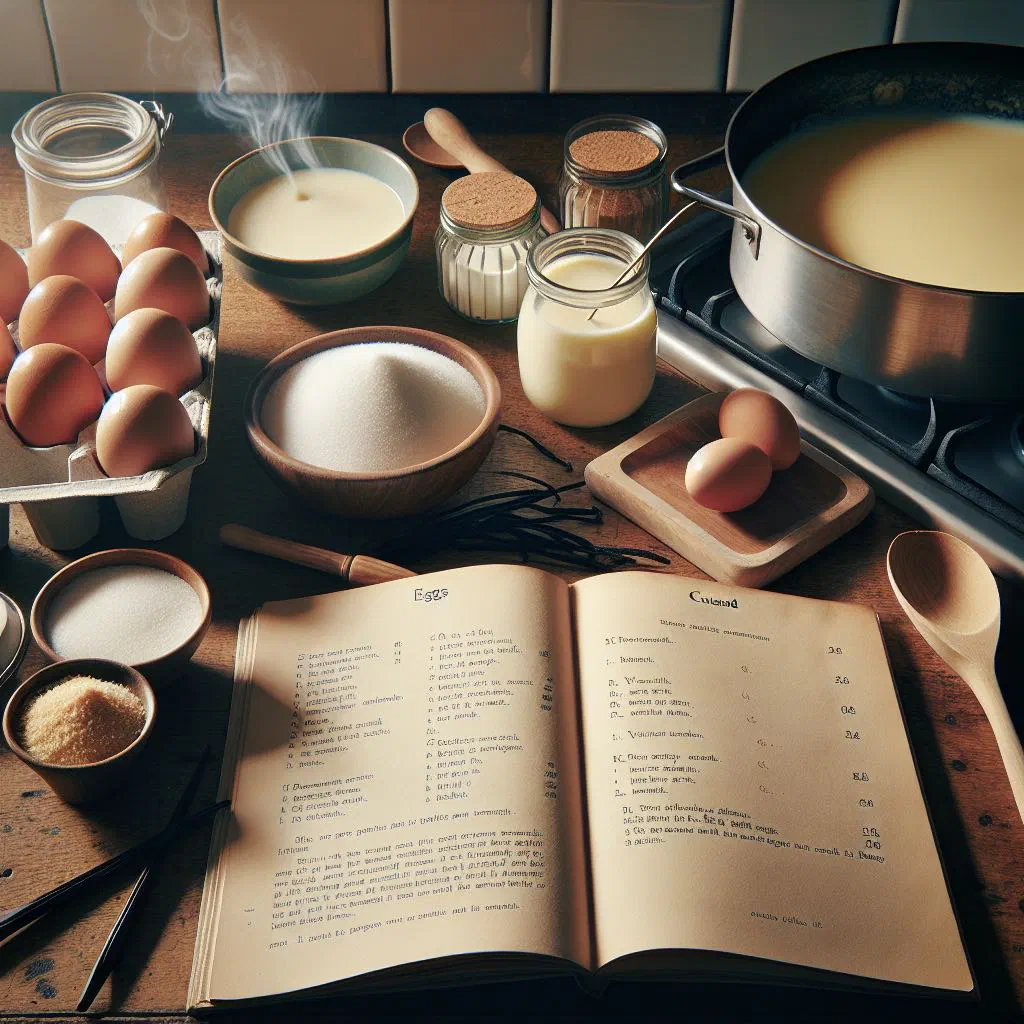
Few things say comfort quite like a jug of warm, homemade custard. This silky English vanilla sauce has graced pudding bowls for generations, prized for its gentle sweetness and that unmistakable scent of vanilla. Pour it over a steamed sponge, spoon it alongside fruit, or simply enjoy it on its own. This is a humble classic that turns any pudding into a proper treat. Best of all, it comes together with just a handful of everyday ingredients.
About Custard
Custard is a traditional English vanilla sauce that has been treasured for generations as a creamy companion to all manner of puddings. It is best known for its delicate, velvety texture and that classic vanilla flavour, which lifts and refines whatever it accompanies. You will often find it served with steamed puddings, tarts and crumbles, or used as a luscious dip for fresh fruit. Its versatility and simplicity make it an absolute must in any dessert kitchen, and it sits at the heart of countless British puddings.
Ingredients (serves 1–2)
- 250 ml milk
- 1 egg yolk
- 30 g sugar
- 1/2 tsp vanilla extract
- A pinch of salt
Shopping for the ingredients
The ingredients for custard are easy to find in most supermarkets. When buying your milk, decide whether you prefer fresh whole milk for a richer result or a lower-fat option. Good-quality sugar and real vanilla extract can make a real difference to the final flavour. It is also worth paying attention to the quality of your egg yolk, as fresh eggs noticeably improve the aroma and depth of the finished custard.
Preparing the dish
To get your custard just right, it pays to invest a little time and patience in the preparation. Begin by carefully weighing out and arranging your ingredients. The milk should not be boiled for too long, so the flavours stay fresh rather than overcooked. While you work, get your equipment ready too, a small saucepan, a mixing bowl and a whisk will all make the process far smoother and more relaxed.
Step-by-step instructions
- Warm the milk in a small saucepan over medium heat until it is just beginning to steam.
- In a separate bowl, whisk together the egg yolk, sugar, vanilla and salt until well combined.
- Slowly pour the warm milk into the egg mixture, stirring constantly to stop the eggs from curdling.
- Return the mixture to the pan and heat gently over low heat, stirring all the while, until it thickens slightly.
- Allow the custard to cool a little, then serve.
Gluten-free / lactose-free version
Traditional custard is naturally gluten-free, as it contains no wheat products at all. To make a lactose-free version, simply swap the regular milk for lactose-free milk or a plant-based drink such as almond milk or oat milk. These alternatives each bring their own subtle flavour, all of which sit happily alongside the vanilla. Just keep an eye on the consistency and cooking times, as they may need adjusting depending on the product you choose.
Tips for vegans and vegetarians
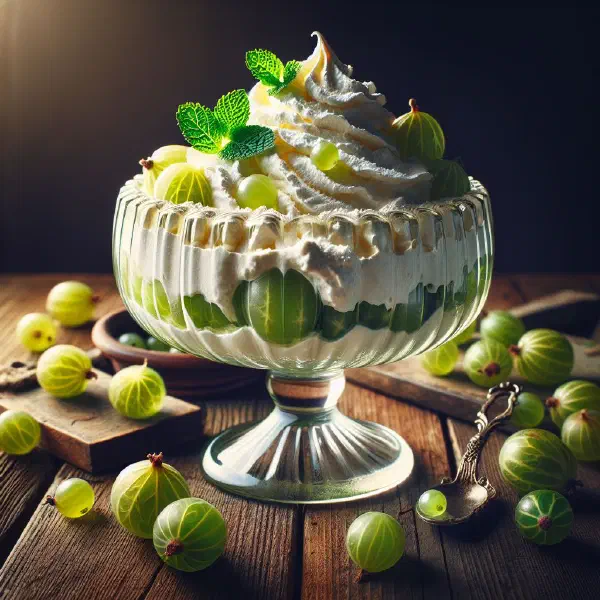
For a vegan custard, reach for coconut milk or soya milk in place of dairy. Instead of the egg yolk, cornflour or agar-agar works beautifully to thicken and bind the sauce. Take care to swap the sugar for an unrefined alternative if you prefer a less processed result. With a little willingness to experiment, you can create gorgeous vegan puddings that lose nothing compared with the original. Try it poured over a fruity Gooseberry Fool.
More tips and tricks
To keep your custard from catching and burning, it is important to keep the heat low and stir constantly. Using a thermometer at this stage can be a great help in reaching the right temperature without overshooting. For a thicker, creamier result you can heat the custard for longer, but be sure never to let it boil. Feel free to experiment with different flavours too, adding a touch of cinnamon or nutmeg for extra warmth.
Adapting the recipe to your taste
Custard is wonderfully easy to tailor to your own preferences. Like it sweeter? Simply stir in a little more sugar. For a deeper, more fragrant vanilla note, use a whole vanilla pod in place of the extract. The consistency is just as adjustable: use more egg yolk for a thicker custard, or more milk for a pourable, runnier one. The possibilities are endless and easy to play with.
Ingredient substitutions
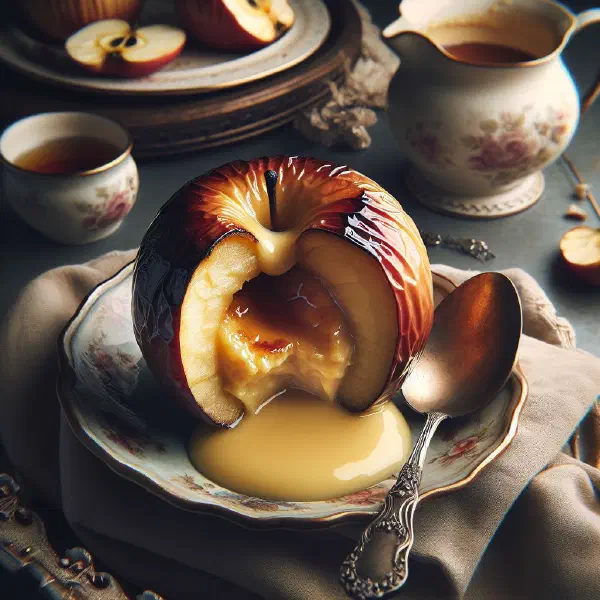
If you do not have fresh vanilla to hand, you can use vanilla flavouring instead, though the taste tends to be a little less intense. In place of sugar, honey or maple syrup can be used to create a new flavour direction. For a particularly indulgent touch, swap the milk for cream to make the custard even richer. Perfect when serving it warm over a Baked Apple with Custard. Just remember to adjust the amount of sweetener to match.
Drink pairing ideas
Custard pairs beautifully with a whole range of drinks. A light fruit tea complements its gentle sweetness wonderfully. Warm hot chocolate or a neutral white wine also sit nicely alongside this pudding. For something a little more special, serve a glass of Prosecco, which supports the delicate vanilla flavour while offering a refreshing contrast on the palate.
Serving and presentation ideas
How you present your custard can make all the difference to the experience. Serve it in pretty dessert dishes or glass tumblers for an elegant look. A swirl of fresh cream or a scattering of berries on top adds a visual highlight and brings an extra burst of flavour. Play with different colour combinations to make the dish look as inviting as it tastes, much like a layered Eton Mess.
A bit of history
The story of custard reaches back to the 14th century, and it has appeared in countless variations across English cooking ever since. Originally, eggs and milk formed the base for simple creams served as a dessert. Over time, ever more flavours were added, and custard grew into a much-loved partner for steamed and baked puddings. Its popularity remains undimmed to this day, conjuring up nostalgic mealtime memories and forming a cornerstone of England cuisine.
More recipe ideas
Summary: Custard
Custard is far more than just a sauce. It is a delicious tradition that no dessert kitchen should be without. With its creamy flavour and straightforward preparation, it is ideal for anyone who wants to bring a little sweetness and indulgence to the table. Poured over puddings or enjoyed entirely on its own, custard appeals to every kind of food lover.