National Dish England: English Muffins (Recipe)
In this article
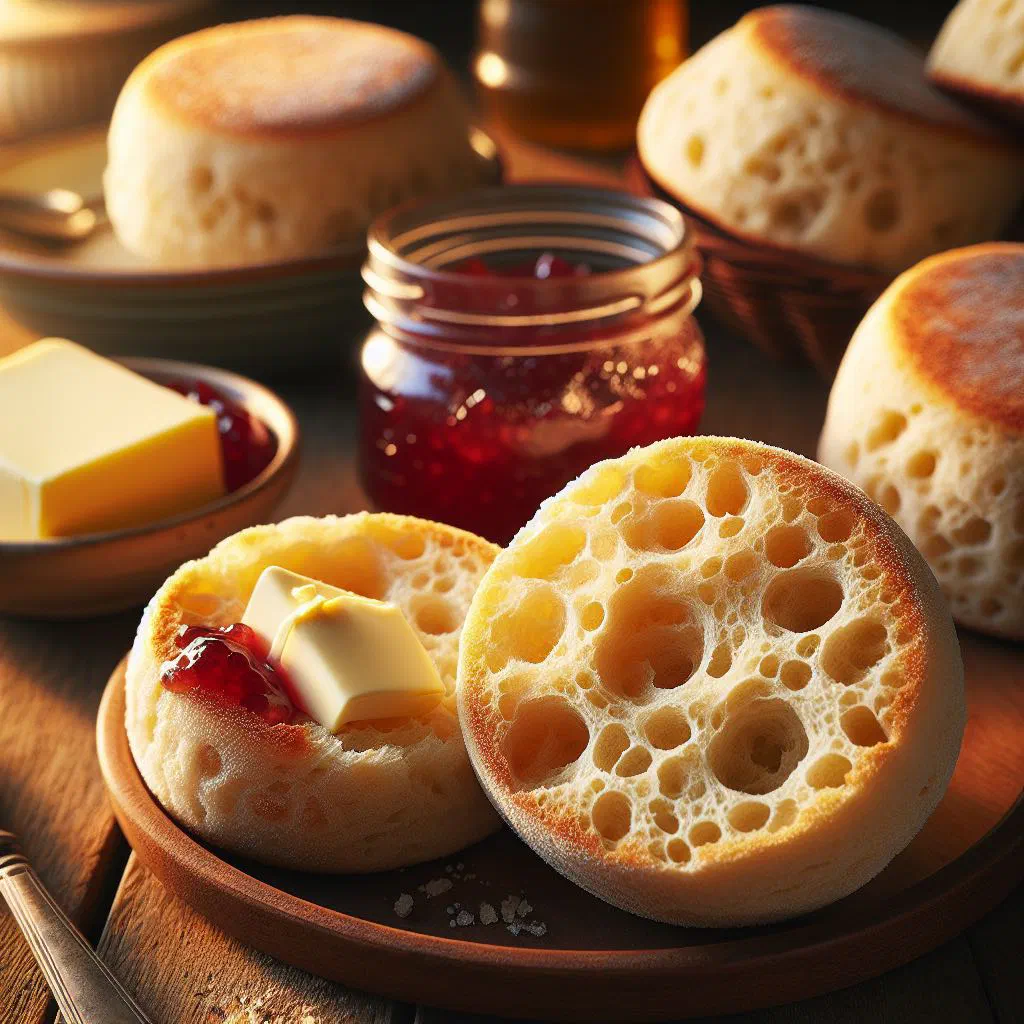
Meet the English muffin, a beloved cornerstone of the great British breakfast. These light, airy rounds owe their springy crumb and gentle chew to being cooked on a hot griddle rather than baked in the oven. Split, toasted and slathered with butter and jam, or piled high for a proper Eggs Benedict, they are endlessly versatile. Bring a little British morning charm straight to your own kitchen.
About English Muffins
English muffins are far more than a humble breakfast staple; they are a genuine treat that lends itself to all sorts of pairings. Their distinctive texture comes from being cooked on a griddle rather than baked, which gives them a wonderfully airy crumb and a lovely flavour. They originated in England and have been popular since the 19th century. Whether freshly toasted with butter and jam or used as the base for a hearty Eggs Benedict, the possibilities are all but endless.
Ingredients (serves 1–2)
- 250 g flour (such as plain wheat flour or an alternative flour)
- 150 ml milk
- 1 sachet dried yeast
- 1 teaspoon sugar
- 1 teaspoon salt
- 1 tablespoon butter
Shopping for the ingredients
Butter gives the muffins extra flavour and a richer texture, so it is worth choosing a good-quality one. While you are shopping, it is also a good idea to consider alternatives for gluten or lactose, depending on your dietary needs. Most of these ingredients are everyday store-cupboard staples and are easy to find in any supermarket.
Preparing the dish
Before you start, it pays to gather and measure out all your ingredients. This makes the whole process smoother and far more relaxed. Make sure your milk is lukewarm so the yeast activates properly, and gently melt the butter beforehand so it blends evenly through the dough.
Step-by-step instructions
- Mix the lukewarm milk, sugar and yeast in a bowl and leave the mixture to rest for a few minutes until it turns frothy.
- Tip the flour and salt into a large bowl and combine well.
- Add the yeast mixture and the melted butter to the flour and knead the dough thoroughly until it is smooth and supple.
- Leave the dough to prove in a warm place for about 1 hour, until it has doubled in size.
- Divide the dough into portions and shape into small round discs about 1 cm thick.
- Cook the muffins in a hot, dry pan with no oil for 5–7 minutes per side, until golden brown.
- Leave the muffins to cool on a wire rack and enjoy them fresh.
Gluten-free / lactose-free version
For a gluten-free version you can use a gluten-free flour blend; most of these come with specific instructions on the packet. To make the muffins lactose-free, simply swap the milk for a dairy-free alternative such as almond or oat milk. These small adjustments mean everyone can tuck in without missing out on the familiar flavour. They sit happily alongside the lighter Pikelets for a varied breakfast spread.
Tips for vegans and vegetarians
Vegans can replace the butter with plant-based margarine and use the plant milk of their choice in place of dairy. These swaps have no adverse effect on the texture of the muffins, and the flavour stays just as delicious. It is also worth watching out for hidden animal products in other ingredients, particularly in some flours or pre-made products. Vegetarians often have an easier time, as they can simply skip the animal products and lean on a wide range of plant-based options.
More tips and tricks
One of the best ways to make English muffins even tastier is to work different herbs or spices into the dough. Rosemary, thyme or an Italian herb mix can all bring wonderful flavour. It is also well worth lightly toasting the muffins before serving for an extra bit of crunch. Experimenting with different toppings, such as avocado or a soft cheese, can broaden and improve your breakfast options no end.
Adapting the recipe to your taste
If you would rather not use yeast, you can try baking powder combined with yoghurt for a quick muffin dough. For a healthier batch, swap the white wheat flour for wholemeal flour to add more fibre. The butter, too, can be replaced with apple sauce, which lends the muffins a fruity note. Tweaks like these let you adapt the recipe to suit your health goals or your taste.
Ingredient substitutions
If you do not have every ingredient to hand, there are plenty of creative alternatives. Baking powder with yoghurt stands in nicely for yeast when you are short on time, while wholemeal flour swaps in for white flour to boost the fibre. Apple sauce can take the place of butter for a lighter, fruitier result. The same spirit of improvisation works beautifully with the dough behind warm Chelsea Buns. Substitutions like these help you adapt the recipe to what is in season or to your own preferences.
Drink pairing ideas
A freshly made English muffin goes especially well with a cup of hot black tea or a strong coffee. For a fruitier note, freshly squeezed juices such as orange or a berry blend are an excellent choice. A milky coffee or a latte can round off the breakfast experience and make for a special start to the day. The right drink can complement the flavours of the muffins and bring everything together harmoniously, much as it does with a leisurely Cream Tea.
Serving and presentation ideas
The way you present your English muffins can lift the whole breakfast experience. Serve them on a handsome wooden board, garnished with fresh herbs or a selection of fresh fruit. A little dish of toppings such as butter, jam or avocado makes a lovely centrepiece on the table. A decorative napkin or some pretty crockery can make the whole spread more inviting and show your guests you have made an effort.
A bit of history
English muffins trace their origins to 19th-century England, where they first became popular as a simple breakfast dish. They were originally cooked over an open fire, which gave them their characteristic texture. An American baker later helped make them famous by cooking them in a pan and adapting them for the American market. Today they are a much-loved part of breakfast in both Britain and the United States, and they enjoy a devoted following worldwide as a proud part of England cuisine.
More recipe ideas
Summary: English Muffins
In short, English muffins are a tasty breakfast option and offer a wealth of ways to prepare them. They are simple to put together and pair wonderfully with all manner of toppings. Their versatility and characteristic flavour make them a highlight on any breakfast table. Give this recipe a go and enjoy a slice of British charm right in your own kitchen.