National Dish England: Lancashire Hotpot (Recipe)
In this article
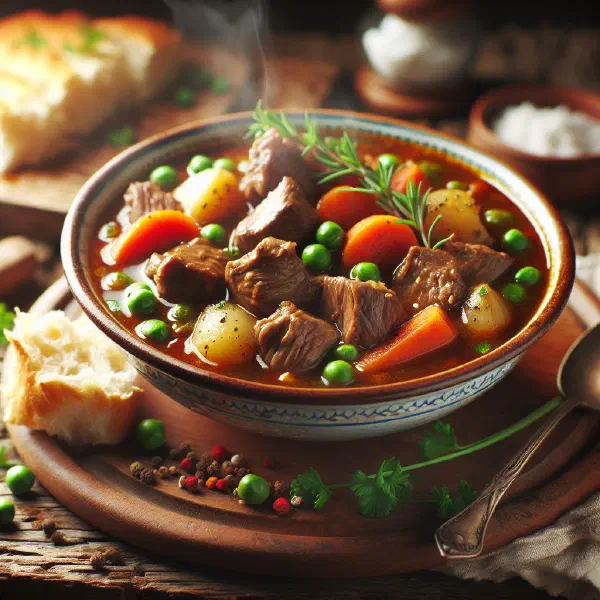
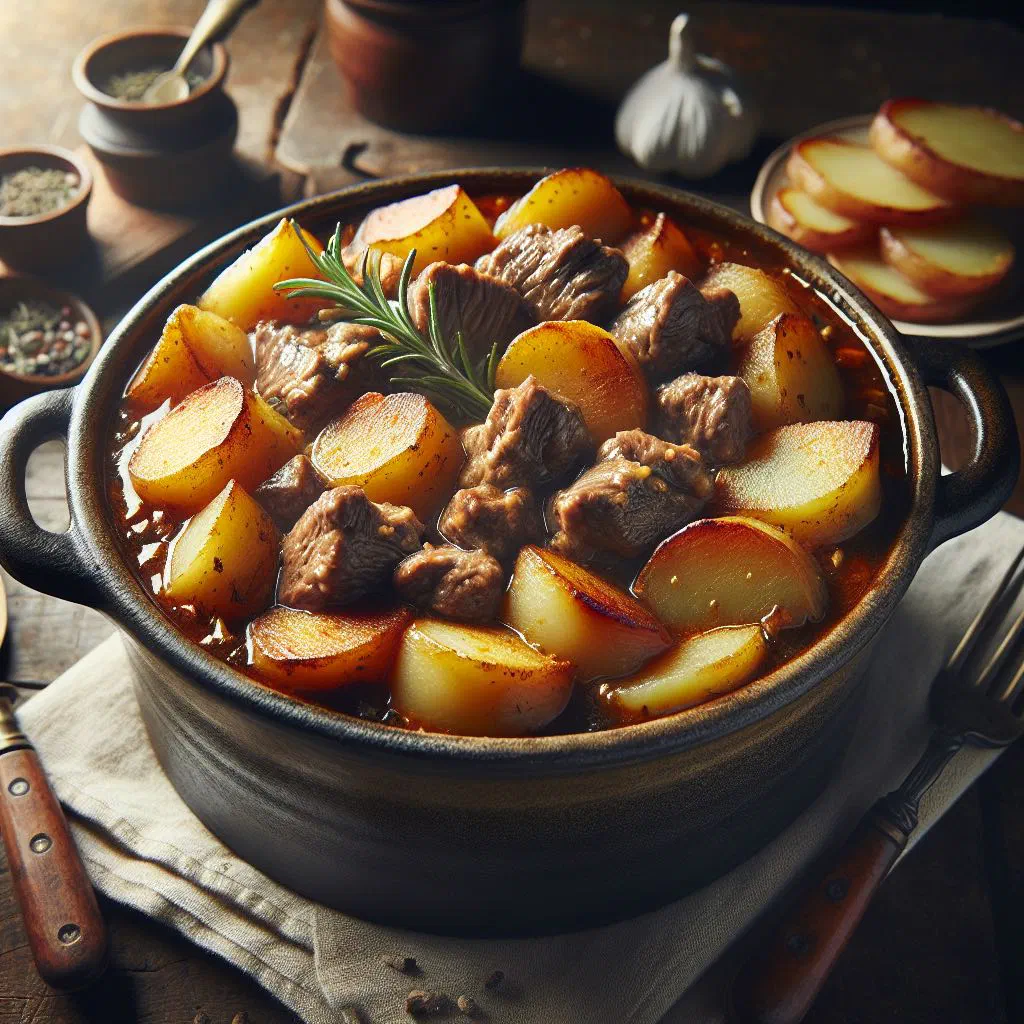
Discover Lancashire Hotpot, one of England’s most comforting classics. This hearty dish brings together tender lamb, sweet root vegetables and a crisp, golden crown of sliced potatoes, all gently cooked in one pot. Warming, generous and reassuringly simple, it is exactly the sort of supper you crave on a cold day. Made from just a handful of honest ingredients, it carries centuries of northern English tradition straight to your table.
About Lancashire Hotpot
Lancashire Hotpot is a traditional British dish that takes its name from the county of Lancashire, where it first appeared. This hearty one-pot stew combines tender pieces of lamb with aromatic vegetables and a crisp layer of sliced potatoes on top. The blend of gentle, savoury flavours is ideal for bringing warmth and comfort on a cold day. It is also wonderfully easy to make and calls for only a few ingredients, which makes it a perfect choice for an everyday meal.
Ingredients (serves 1–2)
- 300 g lamb (such as shoulder or leg)
- 2 large potatoes
- 1 onion
- 2 carrots
- 500 ml beef stock
- 1 teaspoon thyme
- Salt and pepper, to taste
- 2 tablespoons oil
Shopping for the ingredients
The first step towards a successful Lancashire hotpot is shopping for the ingredients. It is best to buy everything fresh so you get the fullest possible flavour. Visit your local market or a well-stocked supermarket, and take care to choose good-quality lamb and fresh vegetables to make the dish even more delicious. A little attention at this stage pays off in the finished pot.
Preparing the dish
Begin by cutting the lamb into bite-sized pieces and finely dicing the onion and carrots. The potatoes should be sliced thinly so they cook through evenly and form that signature golden top. Getting everything ready before you start means the cooking runs smoothly and the end result turns out perfectly.
Step-by-step instructions
- Heat the oil in a large pot and brown the lamb on all sides until golden.
- Add the chopped onion and carrots, then sauté until softened.
- Pour in the beef stock and bring everything to the boil.
- Reduce the heat and let it simmer for 1 to 1½ hours, until the meat is tender.
- Arrange the potato slices evenly over the meat and vegetables, then cover the pot.
- Bake the hotpot in a preheated oven at 180 °C for 30–40 minutes, until the potatoes are golden brown.
Gluten-free / lactose-free version
Lancashire hotpot can easily be made gluten-free and lactose-free. Simply use a gluten-free stock and double-check that all your ingredients are free from gluten. As a rule the main components, lamb, vegetables and potatoes, are naturally gluten-free anyway. If you wish to add any dairy, lactose-free alternatives work perfectly well, so everyone can enjoy the dish without worry.
Tips for vegans and vegetarians
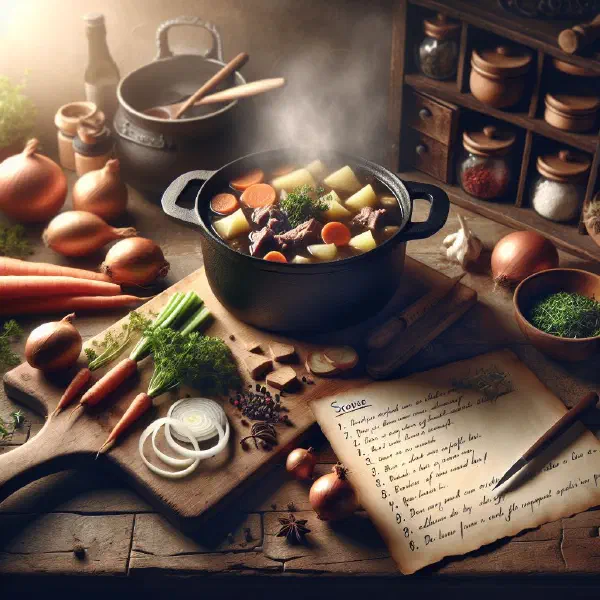
Although Lancashire hotpot is traditionally made with lamb, there are also delicious vegan and vegetarian versions. Simply swap the meat for hearty vegetables such as mushrooms and tofu. Use a vegetable stock to make the stew even more flavourful. These alternatives mean that vegans and vegetarians can enjoy this comforting classic too, much like a meat-free Mutton Stew reimagined for plant-based diners.
More tips and tricks
A few tips and tricks can help you get the very best from your Lancashire hotpot. For instance, you can marinate the meat in a mixture of herbs and oil before browning to deepen the flavour. You might also try different varieties of potato to vary the texture of the dish. Experiment with extra herbs such as rosemary or a bay leaf to add your own personal touch.
Adapting the recipe to your taste
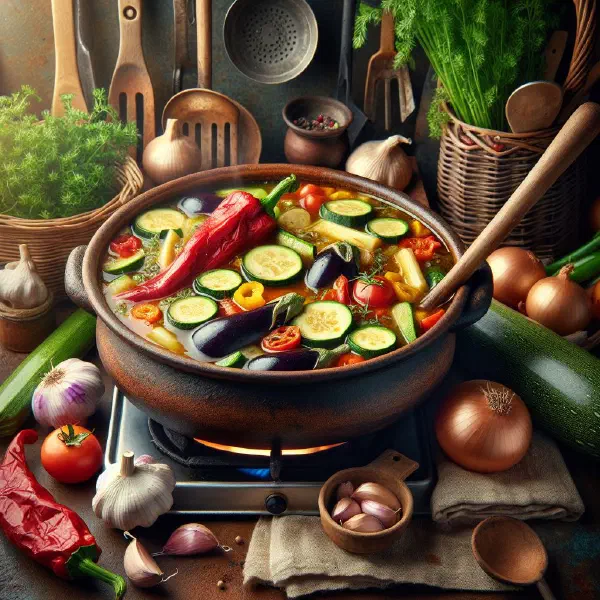
Lancashire hotpot is a wonderfully adaptable dish that can be changed to suit your own preferences. Add seasonal vegetables such as peas or celery for extra flavour and nutrition. You can also use other meats, like beef or chicken, to create different tastes, a trick that works equally well in a Steak and Ale Pie. Just remember to adjust the cooking time so everything reaches the perfect consistency.
Ingredient substitutions
If you do not have certain ingredients to hand, or simply fancy a different flavour, there are plenty of substitutions to try. The lamb can be replaced with beef or pork, or you could attempt a vegan version using pulses. Instead of the classic potatoes, sweet potatoes lend a gentle sweetness to the dish. Be creative and tailor the recipe to your own taste, just as a cook might tweak a Beef Suet Pudding to suit the household.
Drink pairing ideas
A range of drinks pairs beautifully with a hearty Lancashire hotpot. A robust red wine such as a Cabernet Sauvignon goes wonderfully with the lamb. Alternatively, a malty ale or a stout brings out the savoury flavours of the dish. For those who prefer to stay alcohol-free, a fruity juice or sparkling water makes a refreshing choice.
Serving and presentation ideas
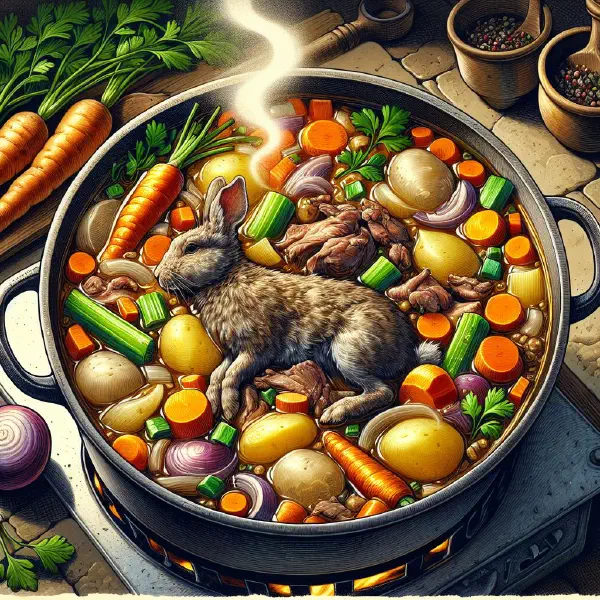
The presentation of your Lancashire hotpot can lift the whole dining experience. Serve it straight from the pot for a rustic, homely look. Garnished with fresh herbs such as parsley or thyme, the hotpot looks especially appetising. Using rustic plates and cutlery helps to reinforce that traditional British feel, in the same spirit as a cosy Rabbit Stew served at the table.
A bit of history
Lancashire hotpot has a long history that stretches back to the 18th century. Originally devised as a simple, nourishing meal for the working classes, it was a clever way to combine meat and vegetables in a single pot. The dish quickly caught on across England and became a symbol of hearty British home cooking and the wider tradition of England cuisine. Today it is loved not only at home but is also known and appreciated around the world.
More recipe ideas
Summary: Lancashire Hotpot
In summary, Lancashire hotpot is a tasty, easy-to-make dish that adapts beautifully to all kinds of preferences. Whether traditional with lamb or reimagined as a vegan version, it brings warmth and heart to any table. With its history and its many variations, it is a true classic of British cooking. Give it a go and let yourself be charmed by its comforting flavours.