National Dish England: Pikelets (Recipe)
In this article
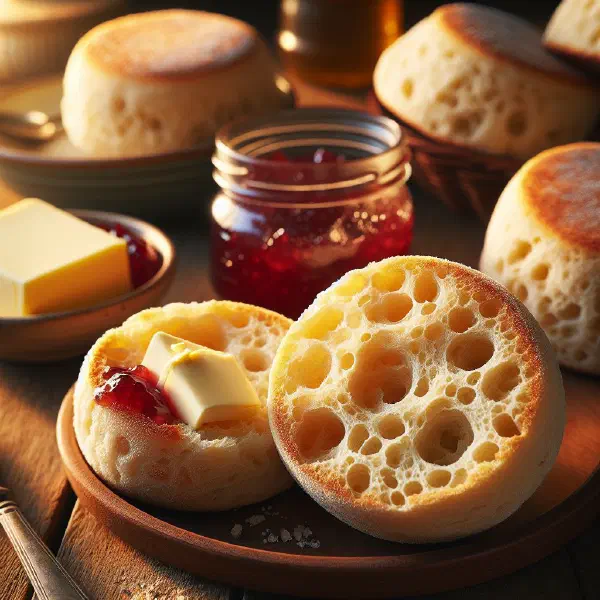
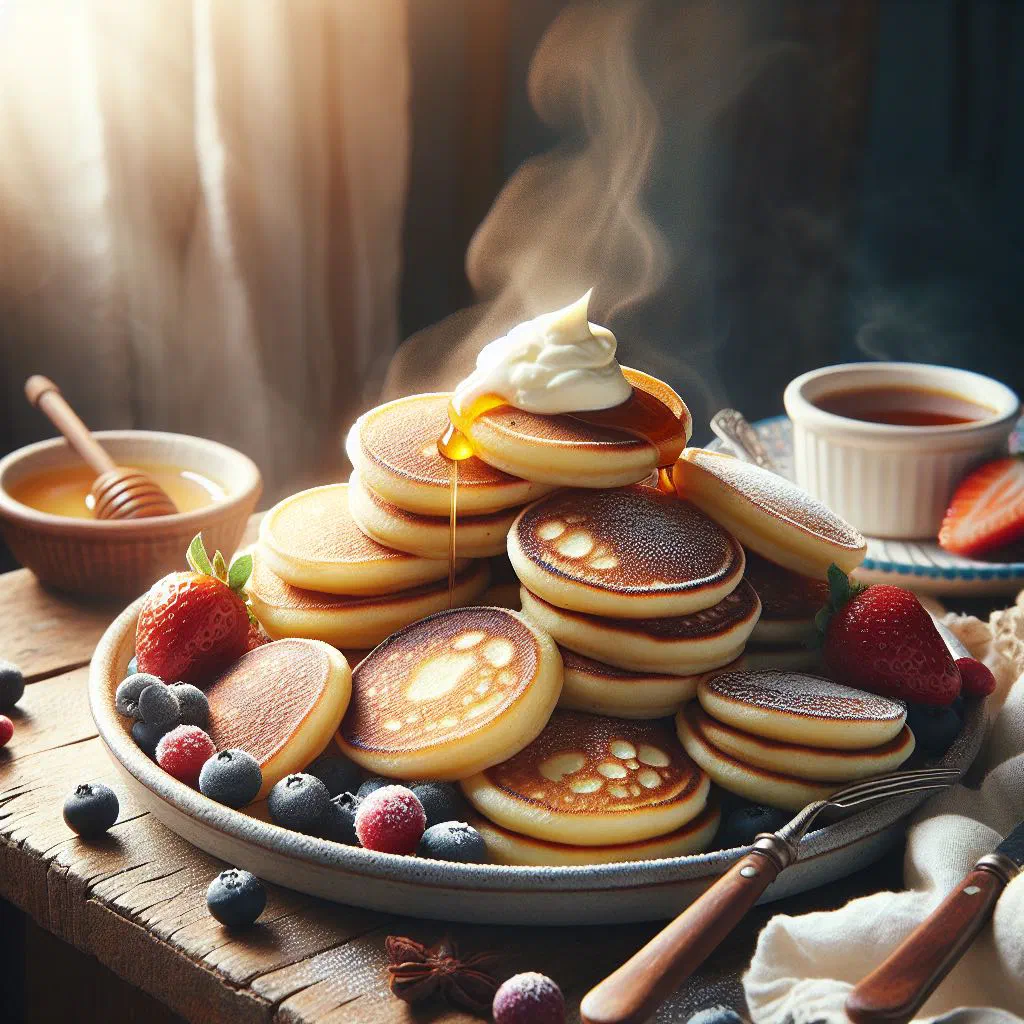
Say hello to Pikelets, a charming little corner of England’s tea-time tradition. These light, fluffy pancakes carry a gently sweet, faintly savoury flavour that makes them every bit as welcome at the breakfast table as they are alongside the afternoon teapot. They are wonderfully quick to whip up, endlessly adaptable, and at their very best when crowned with a spoonful of jam and a dollop of cream. Bring a slice of cosy British comfort straight into your own kitchen.
About Pikelets
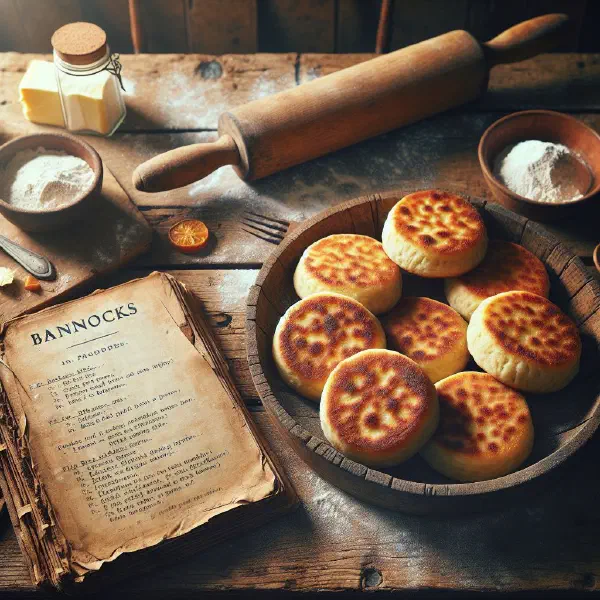
Pikelets are a much-loved traditional British dish, prized for their fluffy texture and their sweet, lightly savoury taste. These small pancakes are simple to make and remarkably versatile. They work beautifully as a breakfast, a tasty snack, or a delicious companion to afternoon tea. They are especially popular served with jam and cream, which round off the whole experience to perfection.
Ingredients (serves 1–2)
- 1 cup plain flour
- 2 tablespoons sugar
- 1 teaspoon baking powder
- 1 pinch of salt
- 1 cup milk
- 1 egg
- Butter, for the pan
Shopping for the ingredients
When shopping for the ingredients for pikelets, it is worth choosing fresh, good-quality produce. The flour should be finely milled and the baking powder should be fresh to guarantee the lightest possible result. It is also a good idea to use organic eggs, as they can noticeably improve the flavour of the pikelets. On the whole the ingredients you need are easy to find in any well-stocked supermarket and are not especially expensive.
Preparing the dish
Preparing pikelets could hardly be simpler and takes only a few steps. To begin, gather and measure out all the ingredients so everything runs smoothly. It helps to keep a large bowl ready for the batter and a pan ready for cooking the pikelets. This simple bit of organisation saves time and keeps the chaos in the kitchen to a minimum.
Step-by-step instructions
- In a large bowl, combine the flour, sugar, baking powder and salt thoroughly.
- Add the egg and the milk, then whisk everything into a smooth batter.
- Heat a pan over medium heat and add a little butter.
- For each pikelet, drop a small ladleful of batter into the pan and cook for about 2–3 minutes, until bubbles form on the surface.
- Flip the pikelet and cook for a further 1–2 minutes, until golden brown.
- Serve the pikelets warm, ideally with jam and cream.
Gluten-free / lactose-free version
For a gluten-free version you can use gluten-free flour, which gives a very similar result. Look for a gluten-free flour with a good protein content so the pikelets stay nice and fluffy. For a lactose-free preparation it is best to use lactose-free milk or plant-based alternatives such as almond or oat milk. That way anyone with an intolerance can still enjoy these delicious pikelets.
Tips for vegans and vegetarians
For a vegan version, the egg in the recipe can be swapped for apple purée or a mixture of chia seeds and water. These alternatives help to achieve the right consistency. You should also use plant-based milk such as soya or coconut milk. With these simple changes, vegans too can enjoy delicious pikelets without missing out on any of the flavour.
More tips and tricks
To get the most out of your pikelets, make sure the pan is properly preheated so they cook evenly. Do not use too much batter at once, so each one keeps a good size and shape. You can also experiment by stirring chocolate chips or pieces of fruit into the batter to create different flavours. Any leftover batter keeps well in the fridge for the following day, much like the dough for Singin’ Hinnies.
Adapting the recipe to your taste
The recipe for pikelets is wonderfully adaptable. Depending on your taste, you can adjust the amounts of sugar and salt. If you prefer something more savoury, you might add cheese or herbs, much as you would for Lancashire Cheese and Onion Pie. The type of syrup or jam you serve them with can vary too, giving the dish a personal touch and opening the door to new flavour combinations.
Ingredient substitutions
If you do not have every ingredient to hand, there are plenty of alternatives. In place of wheat flour, for example, you can use oat flour or spelt flour. The sugar can also be replaced with alternative sweeteners such as honey or agave syrup. Substitutions like these let you adapt pikelets to a range of dietary needs while still achieving a delicious result.
Drink pairing ideas
A range of drinks pairs beautifully with pikelets. A classic British tea is an excellent choice to round off the whole experience, much as it does with a proper Cream Tea. For those who prefer something fruity, freshly pressed juices make a refreshing option. A strong coffee can also complement the sweet aromas of the pikelets wonderfully and strike a lovely balance.
Serving and presentation ideas
Presentation is just as important as flavour when serving pikelets. Stack the pikelets neatly on top of one another and garnish them with fresh berries or a dusting of icing sugar. A decorative serving plate and attractive glassware for the drinks lift the whole experience. Do not forget to set out a little cream and jam on the side to show the dish off at its best.
A bit of history
Pikelets have a long history and are especially popular across the United Kingdom. The origins of these little pancakes go back many centuries, and they were originally a simple dish for working people. Over time they grew into a much-loved snack at tea time. Pikelets are therefore more than a delicious dish but also a genuine slice of British culture, in the same vein as the celebrated Chelsea Buns of English baking.
More recipe ideas
Summary: Pikelets
In short, pikelets are a wonderful dish, perfectly suited to any occasion. With just a handful of ingredients and a straightforward method, these fluffy pancakes are on the table in no time. They offer a slice of British culture that appeals to the palate and sits proudly within English cuisine. Experiment with different ingredients and savour all the versatility this traditional dish has to offer.