National Dish England: Potato Scones (Recipe)
In this article
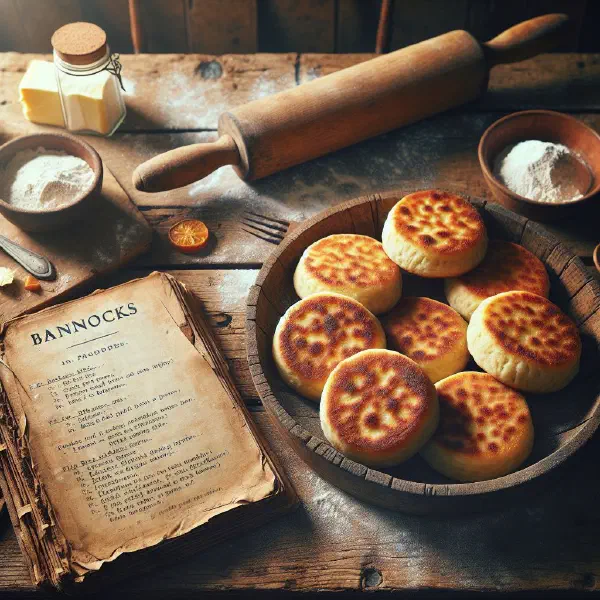
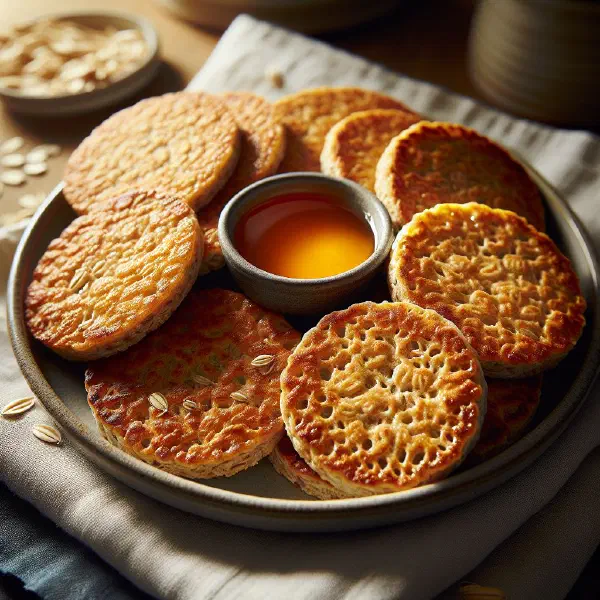
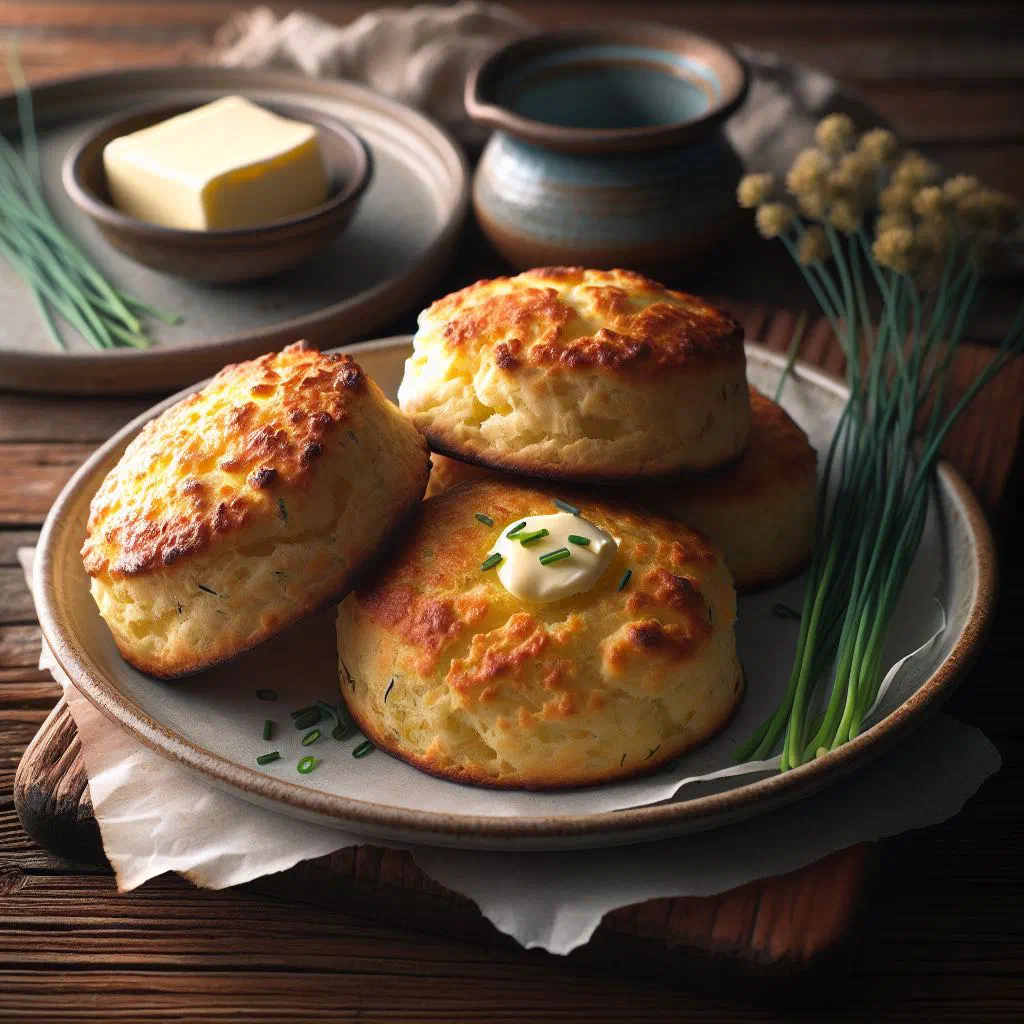
Say hello to Potato Scones, a homely classic of the British breakfast table. These soft, griddle-cooked little breads turn humble leftover spuds into something altogether more appealing, with a tender, fluffy crumb and lightly golden edges. They are wonderfully easy to make, endlessly versatile, and just as happy beside a fried breakfast as they are spread with butter for a mid-morning snack. Bring a taste of British tradition straight to your own kitchen.
About Potato Scones
Potato Scones are a traditional dish from England that wins people over with their distinctive marriage of potatoes and flour. These savoury scones are delicious and remarkably versatile. You can serve them at breakfast or enjoy them as a tasty snack between meals. With their light, fluffy texture, potato scones make the perfect partner for all manner of spreads, or as part of a hearty brunch, a simple pleasure rooted firmly in the British kitchen.
Ingredients (serves 1–2)
- 200 g cooked potatoes
- 150 g plain flour
- 1 tsp baking powder
- 1 tsp salt
- 30 g butter, melted
- Water, as needed
Shopping for the ingredients
For the best results, it pays to use fresh, good-quality ingredients. Take care to choose fresh potatoes, as they have a real influence on the flavour of the finished scones. The flour should be finely milled, ideally a soft variety suited to baking. Don’t overlook the butter either, since it is what gives the scones their lovely fluffiness. Like a comforting Bubble and Squeak with Bacon, this is a recipe built on a few honest, everyday ingredients.
Preparing the dish
Before you begin, the potatoes should be boiled and then mashed. Let them cool a little so they are not too hot when you mix them. Measure out all the other ingredients carefully and have everything to hand so the process runs efficiently. These small steps ensure the preparation goes smoothly and your scones turn out beautifully.
Step-by-step instructions
- Mash the cooked potatoes thoroughly in a bowl until smooth.
- Add the flour, baking powder and salt, and combine everything well.
- Pour in the melted butter and knead it all into a smooth dough.
- If the dough feels too dry, add a little water as needed.
- Roll the dough out on a lightly floured surface and cut into your chosen shapes.
- Heat a pan and cook the scones over medium heat for about 4–5 minutes on each side, until golden brown.
Gluten-free / lactose-free version
For a gluten-free version of potato scones, you can use gluten-free flour in place of wheat flour. Make sure the gluten-free blend contains the right binding agents to achieve the desired consistency. For a lactose-free preparation, simply swap the butter for lactose-free margarine, so that those with a lactose intolerance can enjoy these scones too.
Tips for vegans and vegetarians
Vegan potato scones are easy to make by replacing the butter with plant-based oil. The rest of the recipe stays exactly the same. Take care to check the other ingredients for proper vegan labelling as well. These small adjustments mean that vegans can enjoy these delicious scones right along with everyone else.
More tips and tricks
To get the very best from your potato scones, mix the ingredients well but avoid overworking the dough, or the scones will turn out too dense. One handy tip is to let the dough rest in the fridge for around 10–15 minutes before shaping; this helps improve the texture. You can also add herbs or spices such as thyme or parsley to lend the flavour an extra dimension.
Adapting the recipe to your taste
The flexibility of potato scones means you can tailor the recipe to your own preferences. You might add cheese, for example, to give the scones a creamy, savoury-salty note. Experiment with different vegetables too, puréed or finely chopped and worked into the dough. In this way you can create all sorts of variations that reflect your individual taste, much like the comforting twists you’ll find in Rumbledethumps.
Ingredient substitutions
If you have no regular potatoes to hand, you can use sweet potatoes instead, which bring a pleasant sweetness and a different texture. For a gluten-free version, rice or buckwheat flour is also a good choice. When using alternative ingredients, take care to adjust the cooking time accordingly to achieve the consistency you want. These swaps give you the chance to vary the scones easily and discover new flavours.
Drink pairing ideas
Potato scones go beautifully not only with butter and jam, but with the right drinks to round off the whole spread. A fresh fruit juice or a hearty cup of tea can make a wonderful accompaniment, in true England cuisine fashion. For something a little more special, a glass of sparkling wine or a fruity smoothie is a lovely choice. These combinations make your meal all the more inviting and enjoyable.
Serving and presentation ideas
Presentation plays an important part in any meal. Serve the scones on an attractive plate and garnish them with fresh herbs or a selection of spreads. The arrangement of the scones can be a creative affair too. Try stacking them or laying them out in the shape of a wreath. An appealing presentation will please the eye and whet the appetite.
A bit of history
The origins of potato scones reach back to the 19th century, when British households were endlessly resourceful with inexpensive ingredients. Potatoes were among the staple foods of the day, and using them in baking was a natural choice. The recipes vary from region to region, adding to the rich variety of British cooking. Today potato scones remain a much-loved part of breakfasts and teatime, underlining their place in British food culture alongside teatime treats such as Pikelets and Singin’ Hinnies.
More recipe ideas
Summary: Potato Scones
In short, potato scones offer a delicious and versatile way to enjoy the best of British cooking. With their combination of potatoes and flour, they achieve a wonderfully fluffy texture that suits breakfast, a snack or part of a brunch equally well. The simple preparation and the scope for adaptation make them an ideal recipe for any cook. Dive into the world of potato scones and savour the taste of British tradition.