National Dish England: Quince Jelly (Recipe)
In this article
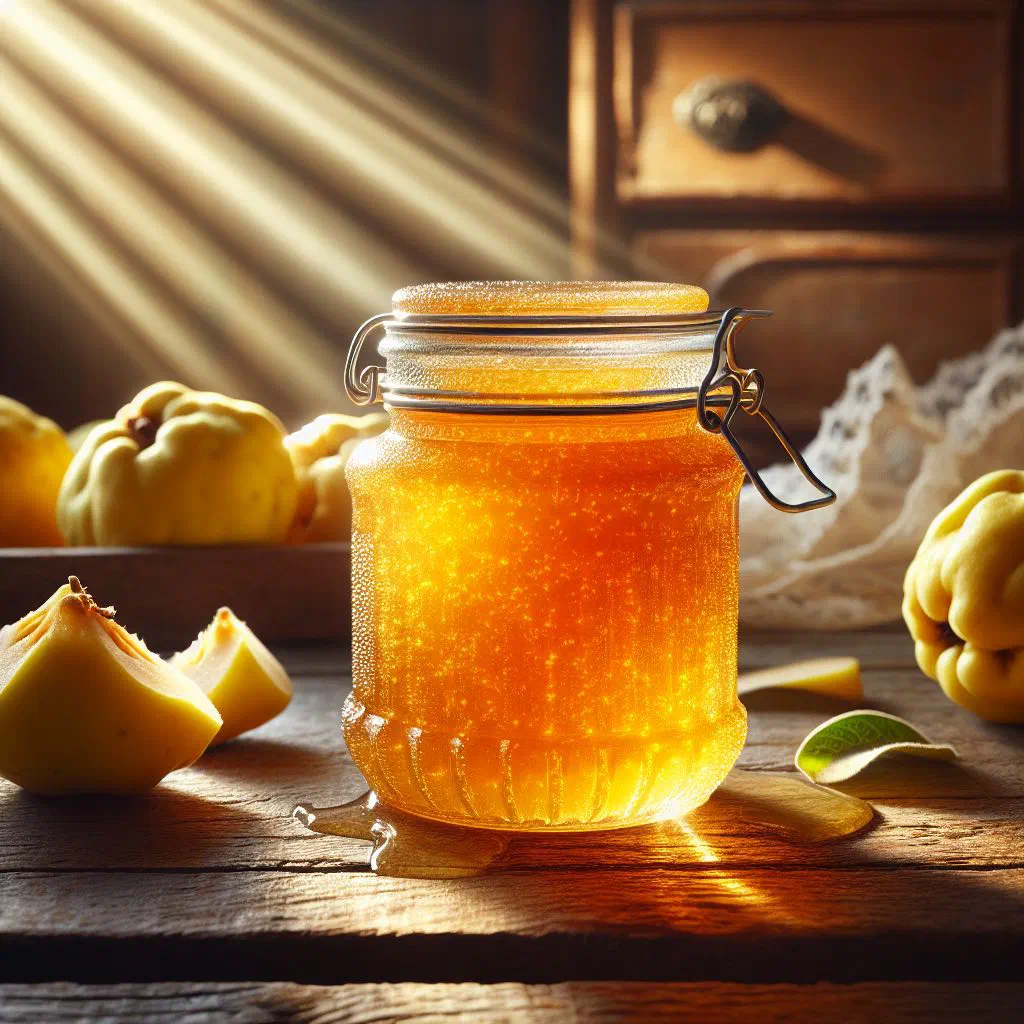
Discover Quince Jelly, a glowing amber preserve that has earned a treasured place on the British table. Made from the fragrant, golden quince, it balances honeyed sweetness with a gentle, refreshing tartness. Spread it on warm toast at breakfast, serve it alongside a wedge of mature cheese, or set it out as the crowning touch on a cheese board. Few preserves capture the spirit of an English larder quite so beautifully, and it is wonderfully simple to make at home.
About Quince Jelly
Quince Jelly is a delicious preserve made from the quince, a fruity and intensely aromatic fruit. Sweet yet pleasantly tart, it has secured a firm place in British cuisine and is prized as the perfect companion to cheese. Its delicate, glistening texture and fresh flavour also make it a much-loved spread, equally at home with a leisurely breakfast or an afternoon cup of tea. Quince jelly appeals to and surprises time and again.
Ingredients (serves 1–2)
- 500 g quinces
- 500 ml water
- 350 g sugar
- Juice of 1 lemon
- 1 cinnamon stick (optional)
Shopping for the ingredients
To make quince jelly you will need fresh quinces, which you can find in many supermarkets and at farmers’ markets through autumn. Choose ripe fruit with a deep golden colour and a pleasing fragrance. For an extra layer of flavour you can also add a warming spice such as cinnamon. The remaining ingredients are usually already to hand in any well-stocked kitchen, so you can have your jelly underway in no time. If quinces prove hard to find, the same approach works beautifully with the cooking apples used in a Worcestershire Apple Pie.
Preparing the dish
Before you begin making the quince jelly, wash and core the quinces. It is important to leave the skin on, as it supplies the natural pectin needed to set the jelly. Next, chop the fruit into small pieces and gather the water and the remaining ingredients. This little bit of groundwork is key to achieving a balanced, harmonious flavour later on.
Step-by-step instructions
- Put the chopped quinces into a large pan with the water and bring to the boil.
- Let the mixture simmer for about 30 minutes, until the quinces are soft.
- Strain the mixture through a fine sieve or a jelly cloth to separate the juice from the solids.
- Return the strained juice to the pan and add the sugar and the lemon juice.
- Add the cinnamon stick (optional) and bring the mixture back to the boil until the sugar has fully dissolved.
- Keep the liquid simmering until it reaches the right setting consistency.
- Ladle the jelly into sterilised jars and seal them well.
Gluten-free / lactose-free version
Quince jelly is naturally gluten-free and lactose-free, since none of the ingredients contain either. You can enjoy the recipe with complete confidence, whether you have an intolerance or simply prefer a gluten-free or dairy-free diet. Just take care that the sugar you use contains no additives that might harbour gluten or milk-based products.
Tips for vegans and vegetarians
This recipe for quince jelly is perfectly suited to vegans and vegetarians. Every ingredient is plant-based and contributes to a wholesome way of eating, with no animal products anywhere in the recipe, so you can enjoy it without a second thought. You can also experiment with different sweeteners to suit your own preferences, swapping the sugar for agave syrup or another plant-based alternative.
More tips and tricks
If you want to make the very best quince jelly, patience pays off, stick closely to the cooking times for a reliable set. Play with the citrus notes by adding a splash of orange or lime juice to give the jelly a fresh new accent. A whisper of warming spice such as cloves or nutmeg can vary the flavour in interesting ways too. Finally, sterilise your jars thoroughly so the jelly keeps well for months to come.
Adapting the recipe to your taste
A guiding idea behind making quince jelly is that you can shape the recipe entirely to your own liking. Prefer it sweeter? Simply stir in a little more sugar. If you favour a more pronounced tartness, an extra squeeze of lemon juice delivers the perfect result. There is no limit to your imagination when it comes to other fruit either. Try a handful of apples or pears for an interesting blend.
Ingredient substitutions
If you cannot track down quinces, the recipe works beautifully with apples or pears instead. These alternatives are just as fruity and offer a comparable texture and sweetness, the same orchard fruit that shines in a Baked Apple with Custard. You can also replace the sugar with an alternative sweetener to create a lighter version of the jelly, opening up plenty of new flavour combinations and letting you tailor the recipe to your own dietary needs.
Drink pairing ideas
A fine quince jelly pairs wonderfully with a range of drinks that echo its fruity aroma. A glass of dry white wine, such as a Sauvignon Blanc, harmonises beautifully with the jelly’s sweet notes while bringing a fresh, crisp lift. A light rosé or an aromatic sparkling wine also make excellent companions. For a non-alcoholic option, a fragrant herbal tea or a sparkling apple juice serves the jelly perfectly.
Serving and presentation ideas
Presentation can matter just as much as flavour when it comes to quince jelly. Use pretty sterilised jars and finish them with a handsome label to underline that homemade touch. A length of ribbon or a small sprig of herbs lifts the whole thing visually. For a stylish arrangement, set the jelly out with a selection of cheeses and crusty bread on a beautiful wooden board, much as you might with a Cream Tea spread.
A bit of history
Quince jelly has a long tradition in British cookery that reaches back to the Middle Ages. This particular preserving technique was originally devised to make the quince harvest last and to capture the fruit’s flavour for the leaner months. Over the centuries the recipe has evolved into a much-loved feature of celebrations and gatherings. Today it is treasured not only in England but internationally, and remains a fixture on many a delicatessen shelf, a quietly enduring star of England’s cuisine.
More recipe ideas
- Cream Tea
- Worcestershire Apple Pie
- Baked Apple with Custard
- Gooseberry Fool
- Lancashire Cheese and Onion Pie
Summary: Quince Jelly
In short, quince jelly is a wonderful preserve that lends British cuisine a truly delicious note. With its fruity sweetness and gentle hint of tartness, it is endlessly versatile and enriches countless dishes. Whether spread on toast, served alongside cheese, or stirred into desserts, this jelly is sure to become the highlight of any table. With a little time and care in the kitchen, you too can make this traditional British classic in your own home.