National Dish England: Rabbit Stew (Recipe)
In this article
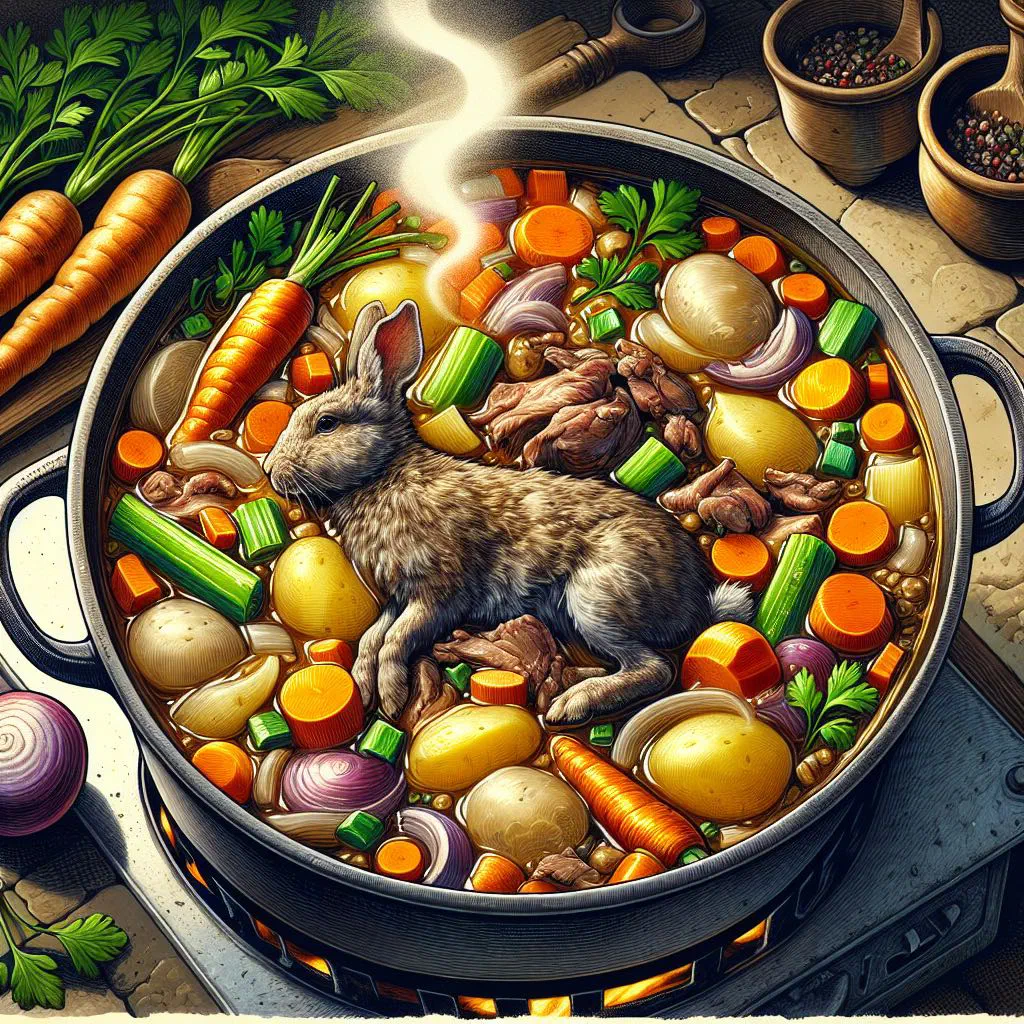
Discover Rabbit Stew, a heartwarming classic rooted deep in the English countryside. Tender pieces of rabbit are gently simmered with sweet carrots, earthy potatoes and fragrant herbs until everything is meltingly soft. This is the kind of dish that fills the kitchen with comforting aromas and brings a real sense of British hospitality to the table. Perfect for cosy winter evenings, it is honest, satisfying food at its very best.
About Rabbit Stew
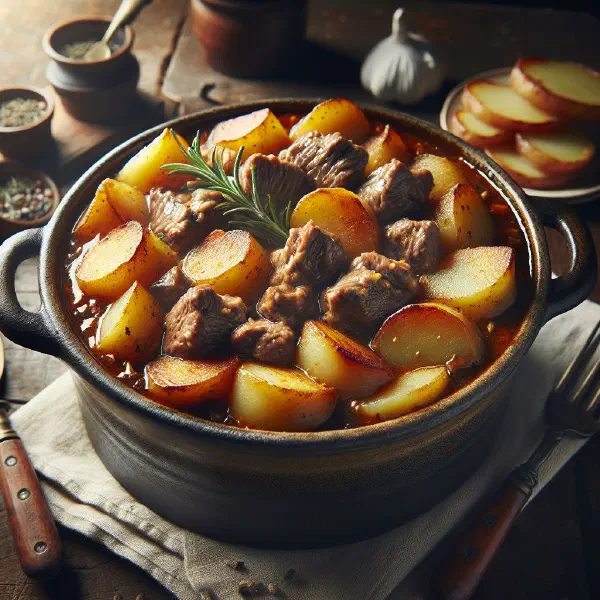
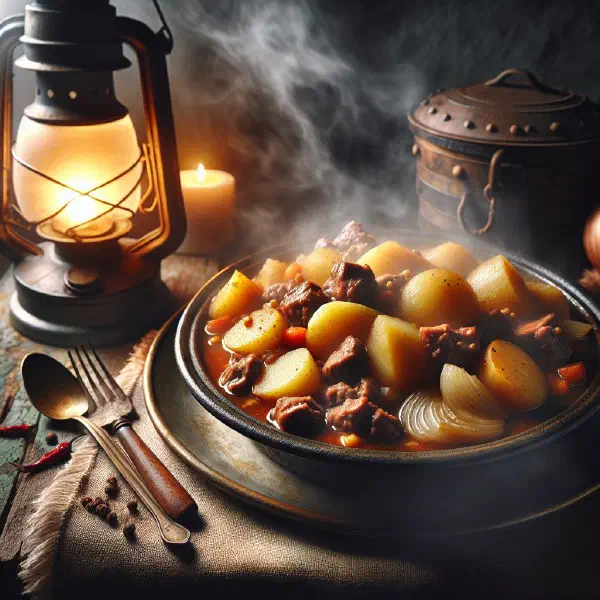
Rabbit Stew is a traditional English national dish woven deep into the fabric of British cooking. This hearty dish offers great flavour and a genuine connection to England’s rural past. The combination of tender pieces of rabbit, fresh vegetables and aromatic herbs gives the stew its distinctive character. Ideal for cold winter evenings, Rabbit Stew brings a warm, welcoming mood to any table.
Ingredients (serves 1–2)
- 300 g rabbit meat (such as shoulder or leg)
- 2 medium carrots, sliced
- 1 onion, diced
- 2 cloves of garlic, chopped
- 200 g potatoes, diced
- 500 ml vegetable or meat stock
- 1 teaspoon thyme
- 1 teaspoon rosemary
- Olive oil, for frying
- Salt and pepper, to taste
Shopping for the ingredients
For a successful Rabbit Stew you should aim to buy the freshest ingredients you can find. This starts with choosing good-quality rabbit meat, which is available from most well-stocked butchers. Look for meat that has a healthy colour and is not too fatty. The vegetables should be fresh and firm too, to make sure you get the very best flavour from your stew.
Preparing the dish
Before you start cooking, it is worth getting everything ready in advance. Wash and chop the vegetables according to the recipe quantities. The rabbit meat should be cut into bite-sized pieces to keep the cooking time even and manageable. Have your herbs and stock prepared as well, so the whole process runs smoothly once you begin.
Step-by-step instructions
- Heat a little olive oil in a large pan and brown the rabbit on all sides until golden.
- Add the onion and garlic and cook until softened.
- Stir in the carrots and potatoes and mix everything together well.
- Pour in the stock and add the thyme and rosemary. Season with salt and pepper.
- Bring to the boil, then reduce the heat and simmer gently for about 1.5 hours, until the meat is tender.
- Serve the stew piping hot and enjoy.
Gluten-free / lactose-free version
Rabbit Stew is naturally gluten-free and easily made lactose-free, as it contains no dairy at all. Just be sure to choose a stock that has no hidden gluten among its ingredients. If you make your own stock, simply use vegetables or meat without any gluten-containing additions. This makes the recipe a great choice for anyone with food intolerances.
Tips for vegans and vegetarians
Although Rabbit Stew is traditionally made with rabbit meat, you can easily create a plant-based alternative. In place of the rabbit, use tofu or seitan to achieve a similar texture. Swap in vegetable stock and add a few extra herbs and spices to deepen the flavour. These tweaks make the dish vegan-friendly and can even broaden its range of flavours, much like a hearty Zucchini and Mint Soup.
More tips and tricks
To intensify the flavour of your Rabbit Stew, try adding different herbs or a glass of dry white wine. Let the dish simmer a little longer for a deeper, more rounded taste. It is also well worth preparing the stew a day ahead. The flavours improve even further once they have had time to mingle, and it saves you time when dinner comes around.
Adapting the recipe to your taste
Everyone has their own preferences when it comes to flavour and texture, so Rabbit Stew is easy to adapt. Experiment with different vegetables such as celery, peas or peppers to bring variety to the dish. The seasoning can be adjusted to suit your palate as well. Add more or less of your favourite herbs to create the perfect stew for you.
Ingredient substitutions
If you cannot get hold of fresh rabbit, chicken or game make an excellent stand-in. The vegetables are easy to vary too; instead of carrots you might use parsnips or sweet potatoes. If you prepare your own stock, you can tailor the flavours to suit. This gives you the freedom to experiment with different aromas, just as you would in a comforting Lamb Hotpot.
Drink pairing ideas
A good glass of red wine pairs beautifully with a delicious Rabbit Stew, ideally a robust Merlot or Shiraz. A light ale also works well, supporting the savoury flavours of the stew. For an alcohol-free option, try a fruity lemonade or some still apple juice, which add a fresh touch to the hearty meal. Experiment to find the drink combination that suits your stew best.
Serving and presentation ideas
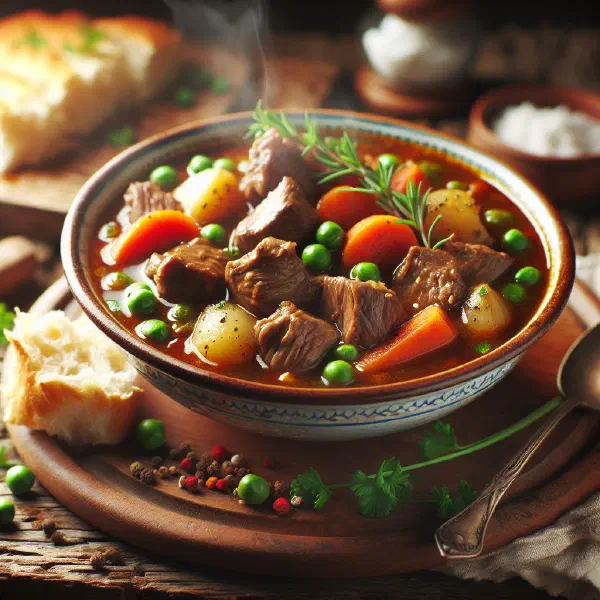
Thoughtful presentation can lift the enjoyment of your Rabbit Stew considerably. Serve it in rustic bowls and garnish with fresh herbs such as parsley or thyme. A piece of crusty bread on the side improves both the look and the eating experience. If you are entertaining, it is lovely to serve the dish straight at the table to create a cosy, convivial atmosphere.
A bit of history
Rabbit Stew is more than a delicious meal; it also tells a story about rural British cooking. Historically, rabbit was an inexpensive meat that was widely eaten, especially across the English countryside. The use of fresh vegetables and herbs straight from the garden makes the dish a symbol of thrifty, economical cooking. Over time, Rabbit Stew has become a much-loved dish, often served in British pubs and at festive occasions, sitting proudly within the wider tradition of England cuisine.
More recipe ideas
Summary: Rabbit Stew
Rabbit Stew is a hearty and nourishing dish that brings the flavours of England together in a single pot. With its simple yet delicious ingredients, it is ideal for cosy dinners and easy to adapt to individual tastes. Whether gluten-free, lactose-free or vegan, the flexibility of the recipe means there is a version for everyone. Enjoy this comforting meal and discover the traditions of English cooking for yourself.