National Dish England: Scones (Recipe)
In this article
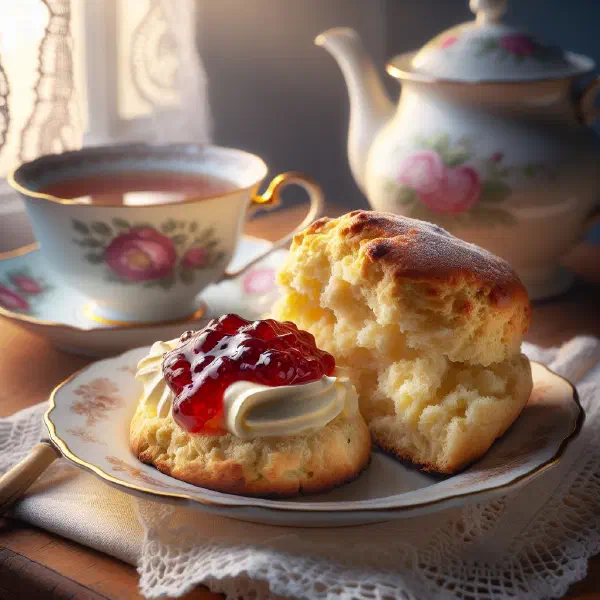
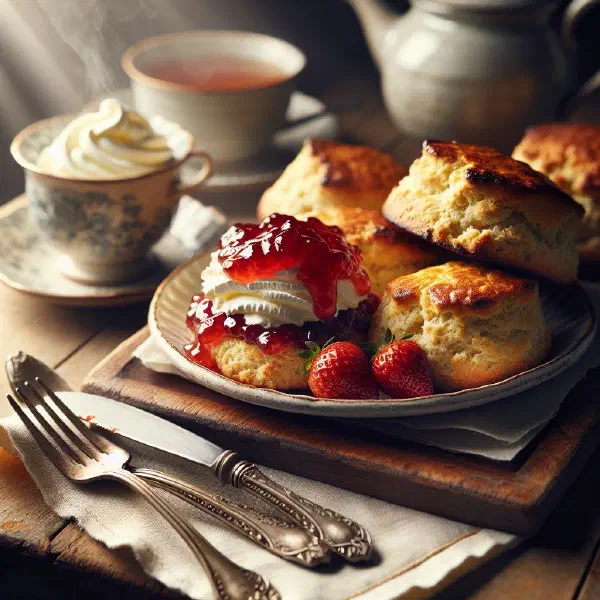
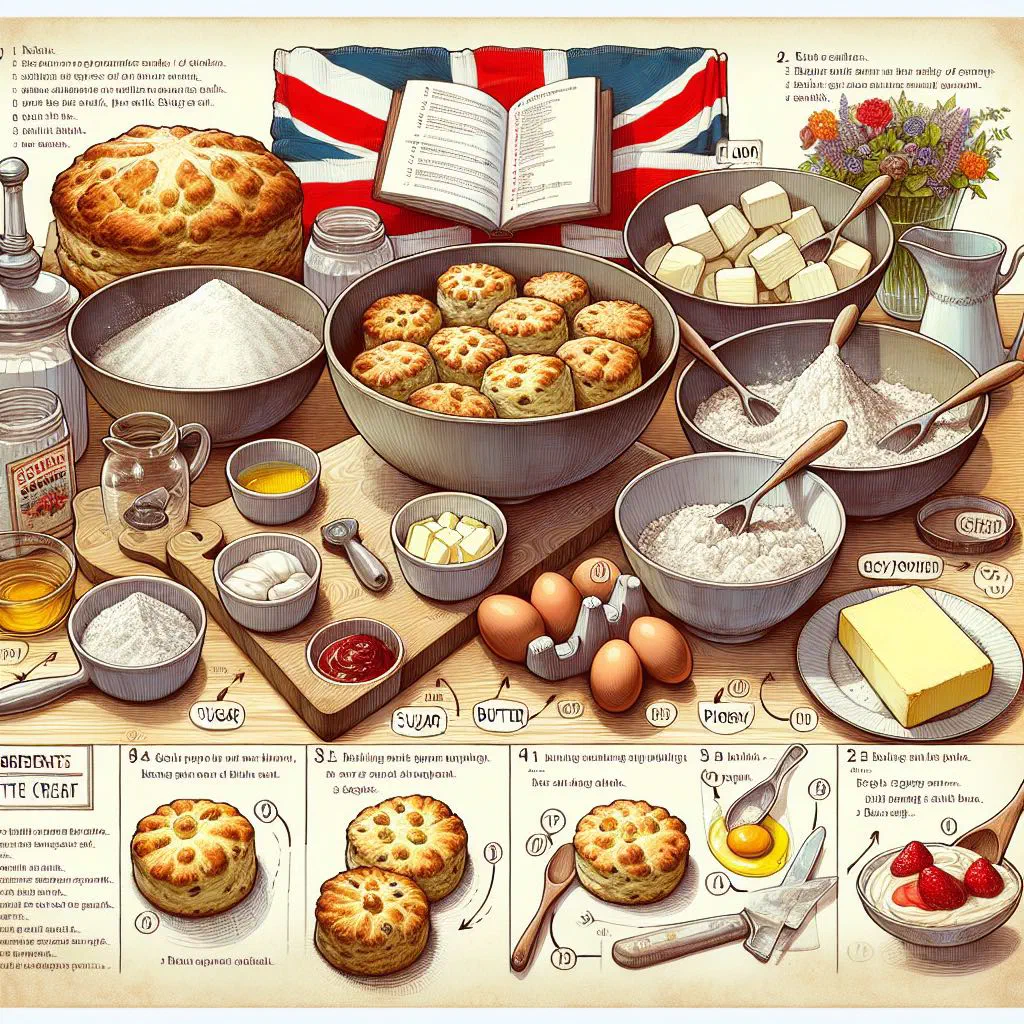
Few things capture the charm of a British afternoon quite like a plate of warm scones. Tender, lightly sweet and gloriously crumbly, these little bakes are the heart of a proper tea time, equally at home at a leisurely breakfast or as a sweet afternoon treat. Pile them high with clotted cream and fruity jam and you have a classic that has pleased generations. Best of all, they come together with a handful of everyday ingredients and very little fuss.
About Scones
Scones are a traditional British bake especially beloved at tea time. They are prized for their tender crumb and gently sweet flavour, which makes them perfect partners for an afternoon cup of tea. Their roots lie in Scotland, and over the years they have become a fixture of British culture. Or used as the base for more inventive variations, scones are very good for anyone with a fondness for good baking. They sit proudly alongside other comforting bakes of English cuisine.
Ingredients (serves 1–2)
- 250 g plain flour
- 60 g butter (cold)
- 30 g sugar
- 1 tablespoon baking powder
- 1 pinch of salt
- 150 ml milk
- 1 egg (for glazing)
Shopping for the ingredients
The ingredients for scones are easy to find in most supermarkets. The basics come down to flour, sugar, butter and milk. For a fruity touch you can also add raisins or other dried fruit. It is worth choosing good-quality ingredients to get the very best flavour, particularly when it comes to the baking powder and the butter, as these make all the difference to a light, well-risen scone.
Preparing the dish
Before you start baking, it pays to have everything properly prepared. The flour should be sifted to get rid of any lumps, and it helps to cut the cold butter into small pieces beforehand so it works more easily into the flour. You should also get your baking tray ready by lining it with baking parchment, which keeps the scones from sticking and makes for tidy results.
Step-by-step instructions
- Preheat the oven to 220 °C (conventional, top and bottom heat).
- In a large bowl, combine the flour, sugar, baking powder and salt.
- Add the cold butter to the flour mixture and rub it in with your fingertips until the mixture resembles coarse crumbs.
- Gradually pour in the milk and knead everything into a smooth dough.
- Roll the dough out on a floured work surface to a thickness of about 2–3 cm.
- Cut out rounds using a cutter or a glass and place them on the prepared tray.
- Brush the tops of the scones with beaten egg.
- Bake in the preheated oven for about 12–15 minutes, until golden brown.
Gluten-free / lactose-free version
Scones are easy to make gluten-free or lactose-free by swapping in the right products. For a gluten-free batch, reach for a gluten-free flour blend designed specifically for baking. To go dairy-free, you can use oat or almond milk, both widely available in supermarkets. Do check that all your ingredients are genuinely gluten-free and take care to avoid cross-contamination, so everyone at the table can tuck in safely.
Tips for vegans and vegetarians
For a vegan version of scones, the butter and milk can be replaced with plant-based alternatives. Vegan margarine works well in place of butter, while soya milk or oat milk make a fine substitute for dairy. The egg glaze can be swapped for a simple mix of water and ground linseed, which gives a pleasant sheen. That way the pleasure of a freshly baked scone is open to vegans and vegetarians too.
More tips and tricks
A few extra pointers will help you bake faultless scones every time. Take care not to overwork the dough, as too much kneading makes the scones tough. You can also stir in a pinch of nutmeg or cinnamon to round out the flavour. For a fruity batch, dried fruit such as cranberries is ideal. Simply fold it gently through the dough before shaping and baking.
Adapting the recipe to your taste
Everyone has their own idea of the perfect scone. You can easily tweak the recipe by adding other ingredients, such as nuts or chocolate chips. If you prefer something savoury, try working cheese and herbs into the dough for a result not far from a Lancashire Cheese and Onion Pie. With adjustments like these you can shape your scones to suit your own taste and keep trying new variations.
Ingredient substitutions
If you find yourself missing certain ingredients, there are often excellent alternatives to hand. Instead of ordinary plain flour, you can use a ready-made scone mix that already contains everything you need. Other options include wholemeal flour for a more wholesome result, or even oat flour for a delicious, nutty note. Be creative and experiment with different types of flour, much as you might when baking a Lemon Drizzle Cake.
Drink pairing ideas
A perfect tea time is about more than the scones alone, the right drink matters too. A cup of black tea is the classic choice and pairs beautifully with the tender bake. For something a little different you might serve fruit tea or green tea instead. If you fancy something more refreshing, try iced tea or a mild fruit-infused water, the combination turns an ordinary afternoon into a real occasion, much as a Cream Tea would.
Serving and presentation ideas
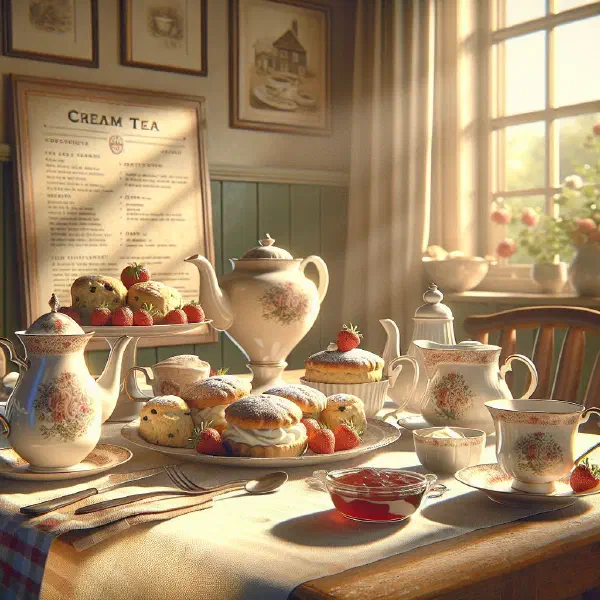
A beautifully set table makes the whole experience that much better. Serve your scones on a tiered cake stand for an elegant look that is perfect for guests. Fresh berries or preserved fruit lighten the arrangement, while a handsome teapot completes the picture. Do not forget attractive crockery. It adds enormously to the atmosphere of a proper afternoon tea and pairs wonderfully with a sweet bite such as an Eton Mess.
A bit of history
The story of scones reaches back to the 16th century, when they first grew popular in Scotland. Originally they were made with oatmeal and had a quite different texture from today’s versions. The ritual of afternoon tea took off in the 19th century, when the Duchess of Bedford decided to brighten the long afternoon with a small meal. Over the centuries scones have passed through many variations and are now a firmly established part of British food culture.
More recipe ideas
Summary: Scones
Scones are a delicious British bake that is made for tea time. With a simple list of ingredients and endless room for variation, you can shape your scones entirely to your own taste. Classic or adventurous, they are the perfect companion to a steaming cup of tea. Let British tradition inspire you and enjoy this timeless recipe with the people you love.