National Dish England: Scotch Woodcock (Recipe)
In this article
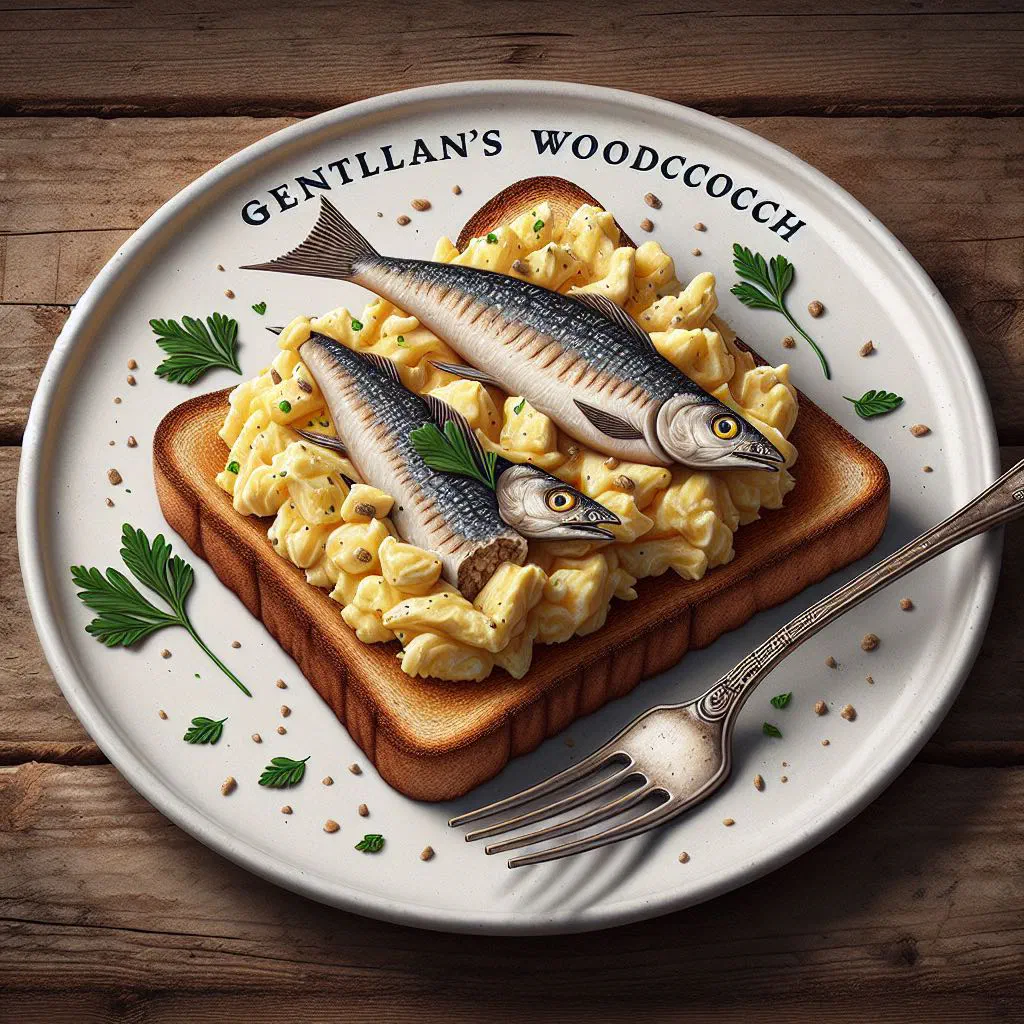
Meet Scotch Woodcock, a wonderfully old-fashioned British savoury that proves simple ingredients can deliver big rewards. Soft, creamy scrambled eggs are piled onto anchovy-laced toast and finished with a scattering of chives, a combination that is both comforting and surprisingly elegant. Once a fixture of Victorian tables, it makes a splendid breakfast, light supper or after-dinner savoury. Let the gentle richness of this little dish win you over.
About Scotch Woodcock
Scotch Woodcock is a classic British dish celebrated for its simplicity and its thoroughly satisfying flavour. The pairing of silky scrambled eggs, salty anchovies and crisp toast turns a handful of storecupboard staples into something rather special. Popular in Victorian England, it remains a much-loved choice for breakfast or a relaxed evening meal. Despite the name, there is no game bird involved, only a harmonious burst of savoury flavour that keeps people coming back for more.
Ingredients (serves 1–2)
- 4 eggs
- 4 slices of toasting bread
- 50 g anchovies (preserved in oil)
- 50 ml cream
- 2 tbsp butter
- Black pepper, to taste
- Fresh chives, to garnish
Shopping for the ingredients
To make Scotch Woodcock you will need fresh ingredients that are easy to find in any supermarket. When buying the anchovies, choose a good-quality product, as they have a real impact on the flavour of the finished dish. For the bread, pick whatever suits you best, white, wholemeal or even a gluten-free loaf. The cream should be freshly opened to guarantee it is at its best.
Preparing the dish
Scotch Woodcock takes very little effort, so you can have a tasty plate on the table in no time. Start by cracking the eggs into a bowl and whisking them thoroughly with the cream. Beat them until light and a little frothy. This helps the scrambled eggs turn out especially fluffy. Have all your ingredients ready before you begin so the cooking goes smoothly from the very first step.
Step-by-step instructions
- Melt the butter in a pan over a medium heat.
- Pour in the egg mixture and cook, stirring constantly, until the eggs are just set but still creamy.
- Chop the anchovies and stir them through the scrambled eggs along with a pinch of black pepper.
- Meanwhile, lightly toast the bread and arrange it on plates.
- Spoon the finished eggs over the toast and garnish with fresh chives.
Gluten-free / lactose-free version
To make Scotch Woodcock gluten-free, simply swap the ordinary bread for a gluten-free loaf. For a lactose-free version, use lactose-free cream and butter. These small changes mean that anyone with an intolerance can still enjoy this delicious dish. If you are coeliac, double-check that your anchovies are gluten-free too, as some preparations can contain hidden traces.
Tips for vegans and vegetarians
For a vegan version of Scotch Woodcock, replace the eggs with an egg substitute such as gram (chickpea) flour or silken tofu. Instead of anchovies, reach for olives or seasoned tomatoes to bring that same salty depth. The dish stays every bit as rich and flavourful. A pinch of turmeric lends the egg substitute an appealing golden colour and rounds out the taste, much like the warming spices in a Kedgeree.
More tips and tricks
To keep the scrambled eggs beautifully creamy, lower the heat and stir a little more slowly. This stops the eggs from overcooking and turning rubbery. A pinch of salt before cooking can also help intensify the flavour, though go easy given the saltiness of the anchovies. Experiment with herbs such as thyme or oregano to give the dish your own personal stamp.
Adapting the recipe to your taste
Scotch Woodcock is an extremely adaptable recipe that you can vary entirely to suit yourself. If you like a bit of heat, add a little chilli or a dash of hot sauce. For a heartier version, stir in some cheese to enrich the eggs. Just remember to balance the other ingredients accordingly so the flavours stay in harmony.
Ingredient substitutions
If you are not keen on anchovies, or simply do not have any, capers make an excellent alternative. They deliver that desirable salty tang and pair beautifully with the eggs. For the bread, you could use bagels or crackers for a different twist. Be adventurous and try other types of fish, such as smoked salmon, for a variation that feels a touch more luxurious.
Drink pairing ideas
A number of drinks complement Scotch Woodcock nicely. A freshly brewed coffee or a cup of English tea are the classic companions, suitable for both breakfast and supper. For a fruity note, choose fruit juices such as orange or grapefruit, which lend a refreshing balance to the savoury flavours. Sparkling water with a slice of lemon is another excellent choice to round off the meal.
Serving and presentation ideas
Presentation matters when it comes to enjoying Scotch Woodcock. Serve the dish on an elegant plate and garnish the eggs generously with fresh chives or other herbs. A few tomato slices or some peppery green leaves on the side bring colour and freshness. A smart napkin and a little creativity can turn this humble dish into a real showstopper, a hallmark of unfussy England cuisine.
A bit of history
Scotch Woodcock has its roots in Victorian England, where it was often served as a light savoury or a small bite at the end of a meal. The pairing of scrambled eggs and anchovies is a nod to the British fondness for hearty, savoury flavours. In later years it found its way onto the menus of gentlemen’s clubs and fine dining rooms alike. Today many people enjoy the nostalgic charm of this dish, which captures the spirit of classic British cooking.
More recipe ideas
Summary: Scotch Woodcock
Scotch Woodcock is a delicious, easy-to-make dish that pairs the flavours of traditional British cooking to perfection. It shows just how much simple ingredients can achieve. With its many possibilities for adaptation, this dish always stays interesting and a pleasure to eat. Enjoy making and savouring Scotch Woodcock, a genuine celebration of flavour.