National Dish England: Scouse (Recipe)
In this article
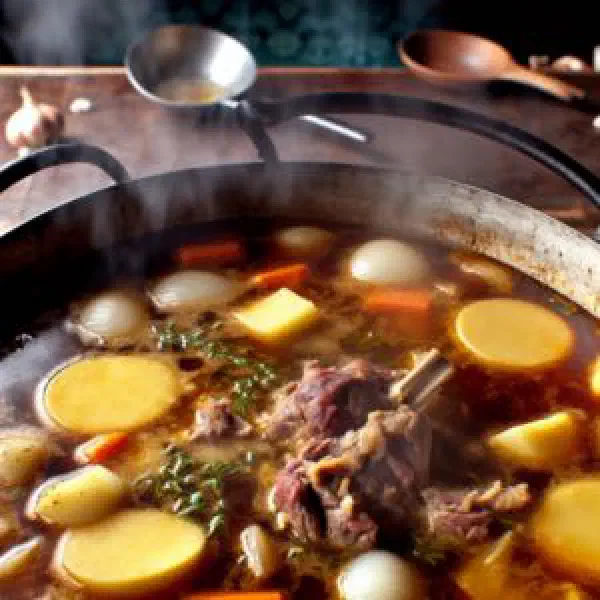
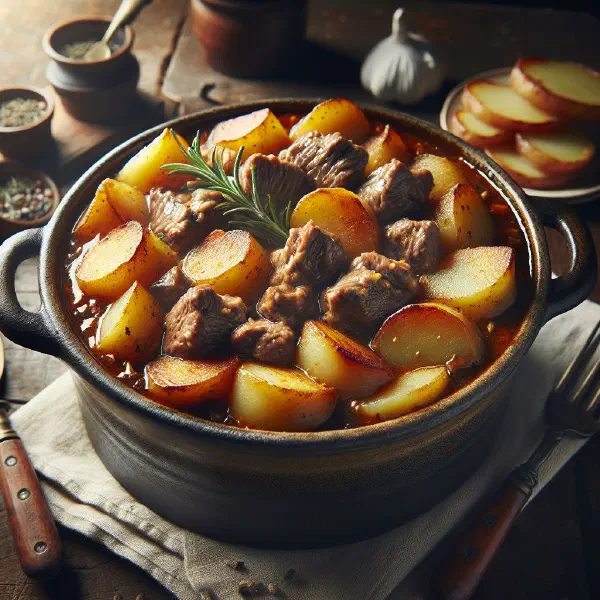
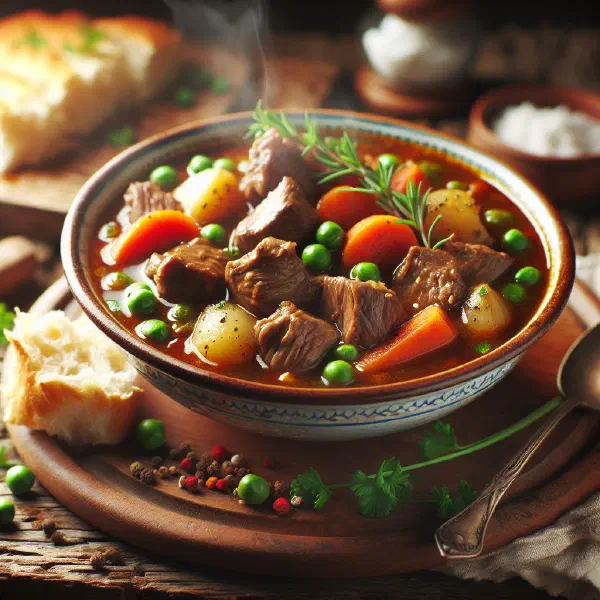
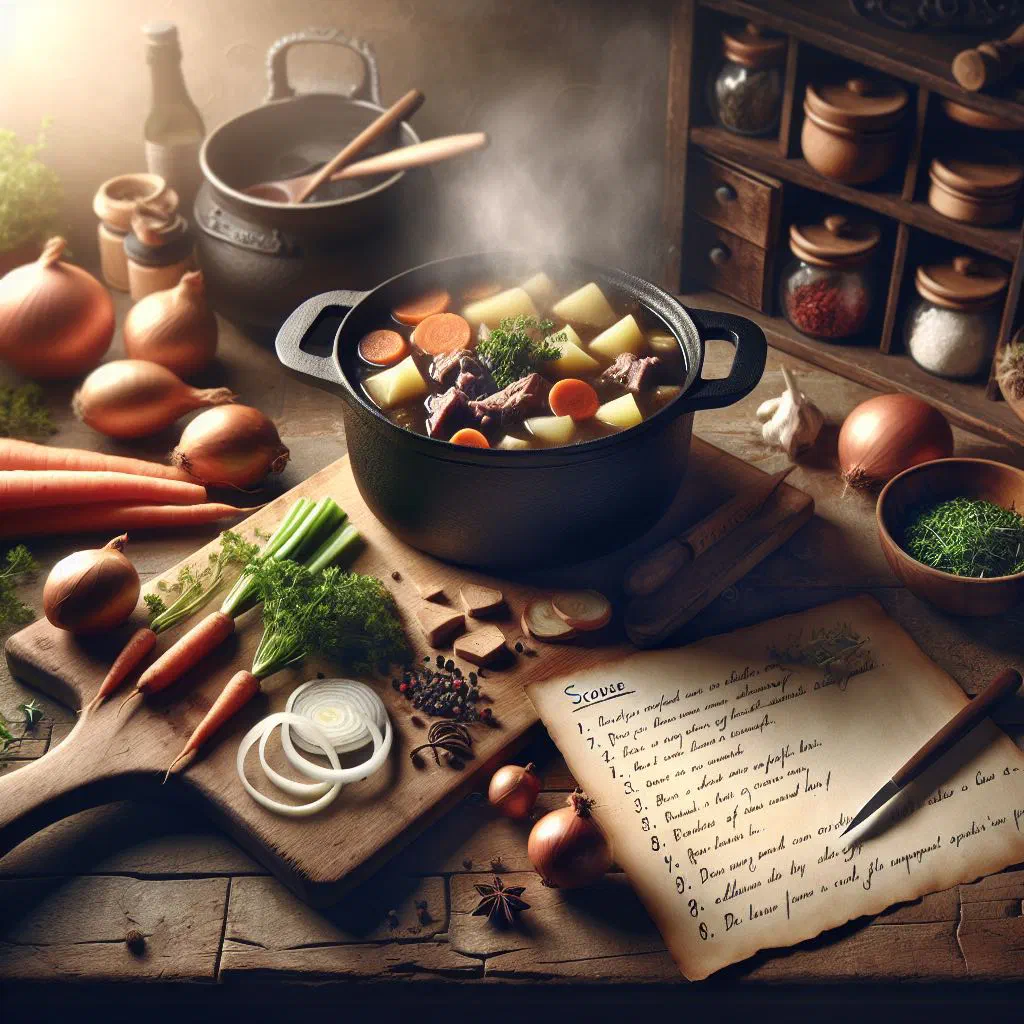
Meet Scouse, the hearty stew that gives the people of Liverpool their famous nickname. This warming one-pot dish brings together tender meat and humble root vegetables in a rich, slow-simmered broth, proper comfort food for cold days and big gatherings alike. Simple, filling and made to be shared, it carries a real slice of Merseyside heritage to your kitchen table.
About Scouse
Scouse is far more than a meal; it is a piece of culture and tradition straight out of Liverpool. A classic stew at heart, it is loved for its straightforward preparation and its reliance on honest, local ingredients. The dish is typically built around tender meat, usually lamb or beef, slow-cooked with a generous mix of fresh vegetables such as carrots, onions and potatoes. This rustic plate has won over the locals and the visitors who come to soak up the lively atmosphere of the port city.
Ingredients (serves 1–2)
- 300 g diced beef or lamb
- 1 large onion, diced
- 2 carrots, sliced
- 2 potatoes, diced
- 500 ml stock (vegetable or meat)
- 2 bay leaves
- Salt and pepper, to taste
- 2 tablespoons oil, for browning
These ingredients are easy to find and wonderfully cost-effective, which makes Scouse an ideal dish for families. It is a great example of a healthy, hearty meal that is guaranteed to leave everyone satisfied.
Shopping for the ingredients
Where you can, choose organic produce to bring out the natural flavour of the dish. When picking your meat, it is worth looking for ethically reared cuts to ensure both quality and sustainability. We recommend using fresh, in-season vegetables to get the very best taste from your stew.
Preparing the dish
Before the cooking begins, a little careful preparation is the key to a successful Scouse. Start by cutting the meat into even cubes so it cooks through at the same rate. The onions, carrots and potatoes should likewise be chopped into suitable pieces to give the stew a balanced, consistent texture. Remember to measure out and lay all your ingredients ready in advance, so the cooking runs smoothly from start to finish.
Step-by-step instructions
- Heat the oil in a large pot and brown the meat on all sides until golden.
- Add the onions and fry until softened.
- Tip in the vegetables, including the carrots and potatoes, and stir everything together well.
- Pour in the stock, add the bay leaves and bring to the boil.
- Reduce the heat and let it simmer gently for 1–2 hours, until the meat is tender.
- Season to taste with salt and pepper, then serve the stew piping hot.
This simple step-by-step method makes it easy to put together a tasty and nourishing dish that the whole family will love. Don’t forget to serve it with fresh bread or a crusty roll to mop up the delicious broth.
Gluten-free / lactose-free version
Scouse is easy to make without gluten-containing ingredients. Simply use a gluten-free stock and check that your meat contains no additives that might include gluten. For a lactose-free version, cook the dish with plant-based oils rather than butter or cream. That way, people with particular dietary needs can enjoy this comforting dish too, without missing out on any of the flavour.
Tips for vegans and vegetarians
Happily, there are excellent ways to prepare Scouse for vegans and vegetarians. Swap the meat for hearty vegetables such as aubergine or courgette, and use a plant-based stock as the base for the stew. Pulses like lentils or chickpeas can be added too, boosting the protein content and giving the dish more substance. The result is not only colourful and nourishing but thoroughly delicious.
More tips and tricks
To give your Scouse even more depth of flavour, experiment with different herbs and spices. Thyme and rosemary work beautifully with the flavours of the stew. You might also add a splash of red wine or balsamic vinegar to deepen and round out the taste.
Adapting the recipe to your taste
The beauty of Scouse is just how adaptable it is. If you are not keen on a particular vegetable, or it simply isn’t available, you can easily swap it for something similar. Choose your meat however you like, a mix of beef and lamb, for example, makes for an especially rich, hearty stew, much like a classic Lamb Hotpot. Be sure to taste any additions before using them in larger amounts, so the original character of the dish is kept intact.
Ingredient substitutions
Are there certain ingredients you don’t enjoy or can’t tolerate? No problem at all. Instead of beef, for instance, you could use turkey or pork, each of which lends the stew a slightly different note. For a smoky edge, the meat can be seasoned with a touch of smoked paprika. The flavour variations are endless, and the choice is entirely yours, the same spirit of thrifty improvisation you’ll find in a Lancashire favourite like Bubble and Squeak with Bacon.
Drink pairing ideas
To do a dish like Scouse justice, hearty drinks are a must. A good dry red wine, such as a Cabernet Sauvignon, complements the flavours of the stew wonderfully. For those staying alcohol-free, a sparkling mineral water with a squeeze of lime works very well. Traditionally, Liverpool also serves a simple beer or ale, which brings out the full flavour of the dish to perfection.
Serving and presentation ideas
An appealing presentation can lift the enjoyment of Scouse considerably. Serve it in deep, attractive bowls and garnish with fresh herbs such as parsley or chives. A slice of buttered bread on the side makes the whole thing even more inviting. Set the stew on the table in a large, decorative pot so guests can help themselves, a lovely way to create a sociable, convivial atmosphere.
A bit of history
The roots of Scouse reach back to the 19th century, when it was a staple for the workers in Liverpool’s docks and shipyards. It was originally cooked by the so-called “Scousers”, the locals of Liverpool. The name “scouse” comes from a sailors’ dish, lobscouse, prepared by seafarers and dockhands, and it has evolved steadily over the years. Today Scouse is served not only in Liverpool but across many other parts of England, remaining a symbol of communal cooking and togetherness within England’s cuisine.
More recipe ideas
Summary: Scouse
Scouse is without doubt a dish that appeals to the palate and warms the soul in equal measure. With its versatility and the freedom to vary it to your own taste, it is perfect for any occasion. Scouse is made for sharing and savouring. Let its warm-hearted atmosphere and wonderful flavour win you over, and bring a little piece of Liverpool into your own kitchen.