National Dish England: Simnel Cake (Recipe)
In this article
Discover Simnel Cake, a wonderfully festive treat that has graced English Easter tables for centuries. This rich fruit cake is studded with juicy dried fruit and crowned with a golden layer of marzipan, giving it a flavour that is at once warming and indulgent. Steeped in tradition and gently spiced, it brings a little springtime charm to any gathering. Bring a slice of British baking heritage straight to your own kitchen.
About Simnel Cake
Simnel Cake is a traditional English bake enjoyed above all at Easter, treasured for its distinctive flavour and its handsome appearance. This delicious fruit cake brings together a mixture of dried fruits and a fine layer of marzipan that lends it an unmistakable richness. Its origins reach back to the Middle Ages, when maidservants would bake it for their mothers at Easter. It is a genuine treat for the palate and a festive centrepiece that shines on every Easter table.
Ingredients (serves 1–2)
- 225 g dried fruit (such as raisins, cranberries, apricots)
- 75 g marzipan
- 200 g plain flour
- 150 g sugar
- 125 g butter
- 2 eggs
- 1 tsp baking powder
- 1 tsp ground cinnamon
- 2 tbsp milk
- 11 marzipan balls, to decorate
Shopping for the ingredients
When shopping for the ingredients for Simnel Cake, it is worth paying attention to the freshness and quality of the dried fruit. Make sure the fruit is not too dry, so the cake stays beautifully moist. Pick up good-quality marzipan too, as it plays a central role in the flavour. Where possible, choose regional products to guarantee the best taste and the highest quality.
Preparing the dish
Preparing the Simnel Cake begins with soaking the dried fruit in a little rum or fruit juice to give it extra flavour and moisture. Ideally this soaking should last several hours so the fruit can absorb plenty of liquid. While it steeps, you can ready the marzipan by kneading it and shaping it into small balls. This gives the cake a festive touch and adds a tender bite.
Step-by-step instructions
- Preheat the oven to 150°C and grease a cake tin.
- Cream the butter and sugar together in a bowl until light and fluffy.
- Add the eggs one at a time, mixing well after each.
- Stir in the flour, baking powder and cinnamon to form a smooth batter.
- Fold in the soaked dried fruit.
- Pour the batter into the prepared tin and spread it out evenly.
- Bake for about 1 to 1½ hours, until the cake is golden brown.
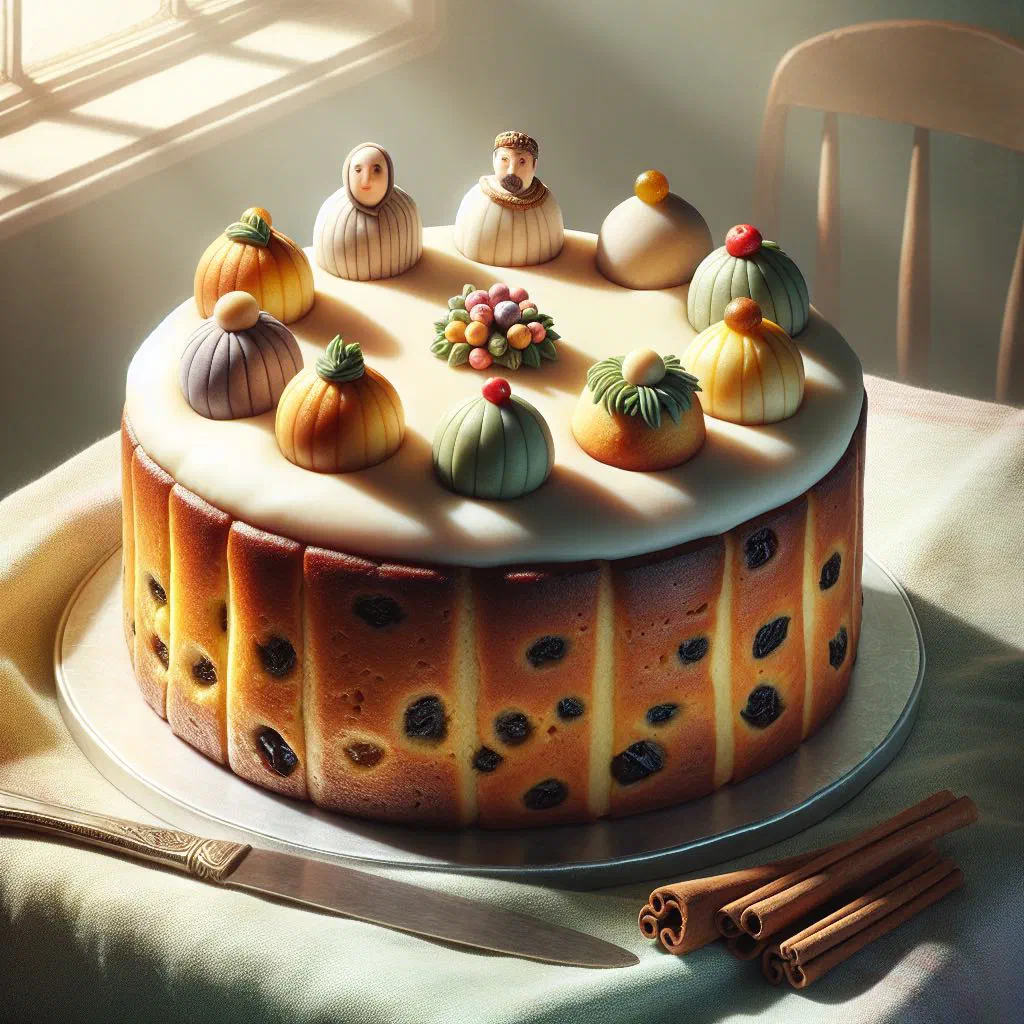
- Once cooled, lay a layer of marzipan over the cake and decorate with the marzipan balls.
Gluten-free / lactose-free version
For a gluten-free version of Simnel Cake, you can use gluten-free flour. Make sure all the other ingredients are gluten-free too. For a lactose-free bake, swap the butter for plant-based margarine or a similar product. These adjustments let you keep the delicious flavour intact while meeting particular dietary needs.
Tips for vegans and vegetarians
Vegans can easily adapt Simnel Cake by replacing the eggs with plant-based alternatives such as flaxseed or chia seeds. A mixture of 1 tablespoon of ground flaxseed and 2½ tablespoons of water can stand in for one egg and helps to hold the cake’s texture together. Be sure to choose vegan marzipan as well, free of any animal products. That way, vegans too can enjoy the pleasure of a traditional Simnel Cake.
More tips and tricks
An important tip when baking Simnel Cake is to keep an eye on the baking time. Every oven is different, and the cake may be ready sooner than the recipe suggests. Check with a wooden skewer whether the cake is baked through, if it comes out clean, the cake is done. After baking, let the cake cool in the tin so that it does not break.
Adapting the recipe to your taste
This recipe is easy to tailor to personal preference. If you prefer other dried fruits, experiment with figs or dates. Nuts can also be added for an extra bit of crunch. Vary the spices to suit your taste. You might like to add a little ground cloves or nutmeg for a festive accent. For another spiced springtime classic, try our Hot Cross Buns.
Ingredient substitutions
If you are not keen on dried fruit, you can use fresh fruit such as apples or pears instead. These need to be well dried out, however, so the cake does not become too wet. Likewise, in place of marzipan you could use a sugar glaze for a different flavour direction. Substitutions like these open up plenty of ways to reinterpret the Simnel Cake, much as a Battenberg Cake gives marzipan its own twist.
Drink pairing ideas
A range of drinks pairs nicely with Simnel Cake and complements the cake’s rich flavour. A fruity red wine or a lightly chilled sparkling wine harmonises beautifully with its sweet notes. Alternatively, a flavoured tea is a fine choice, a fruit tea or a spiced tea, for instance, that echoes the cake’s aromas. In the same gentle spirit, a Cream Tea makes for a lovely afternoon treat. This turns your Easter into a thoroughly festive occasion.
Serving and presentation ideas
The presentation of Simnel Cake can make a real difference, especially over the holidays. Serve the cake on an elegant cake plate and garnish it with fresh flowers or mint for a touch of colour. A dusting of icing sugar over the marzipan can also create a lovely visual effect. Think too about adding Easter-themed decorations to round out the whole experience.
A bit of history
The history of Simnel Cake reaches back to medieval England, where it usually served as an Easter bake. Originally the cake was baked for Mothering Sunday, which marks the midpoint of Lent. The 11 marzipan balls that crown the cake symbolise the apostles and underline the religious significance of the dish. This tradition has endured over the centuries and makes Simnel Cake a firm fixture of English cuisine at Easter.
More recipe ideas
Summary: Simnel Cake
The Simnel Cake is an exquisite blend of tradition and flavour that should never be missing at Easter. With its moist filling of dried fruit and its sweet marzipan topping, it appeals to every palate. The decoration of 11 marzipan balls also makes this cake a festive highlight on the Easter table. Let this recipe inspire you and enjoy the taste of England in your own kitchen.