National Dish England: Victoria Sponge Cake (Recipe)
In this article
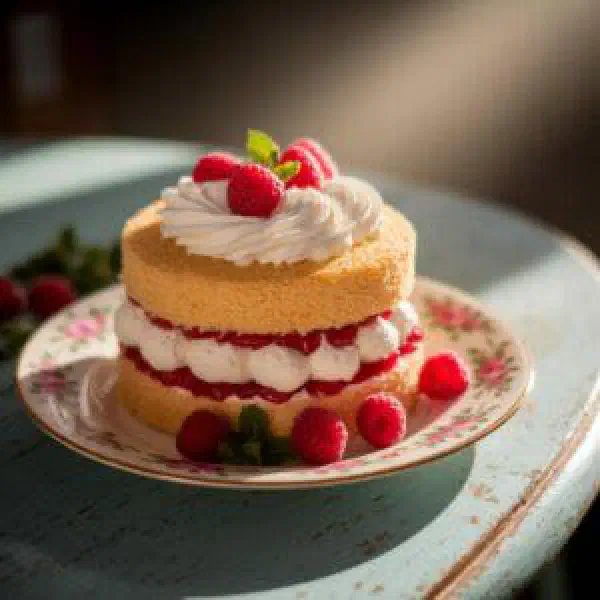
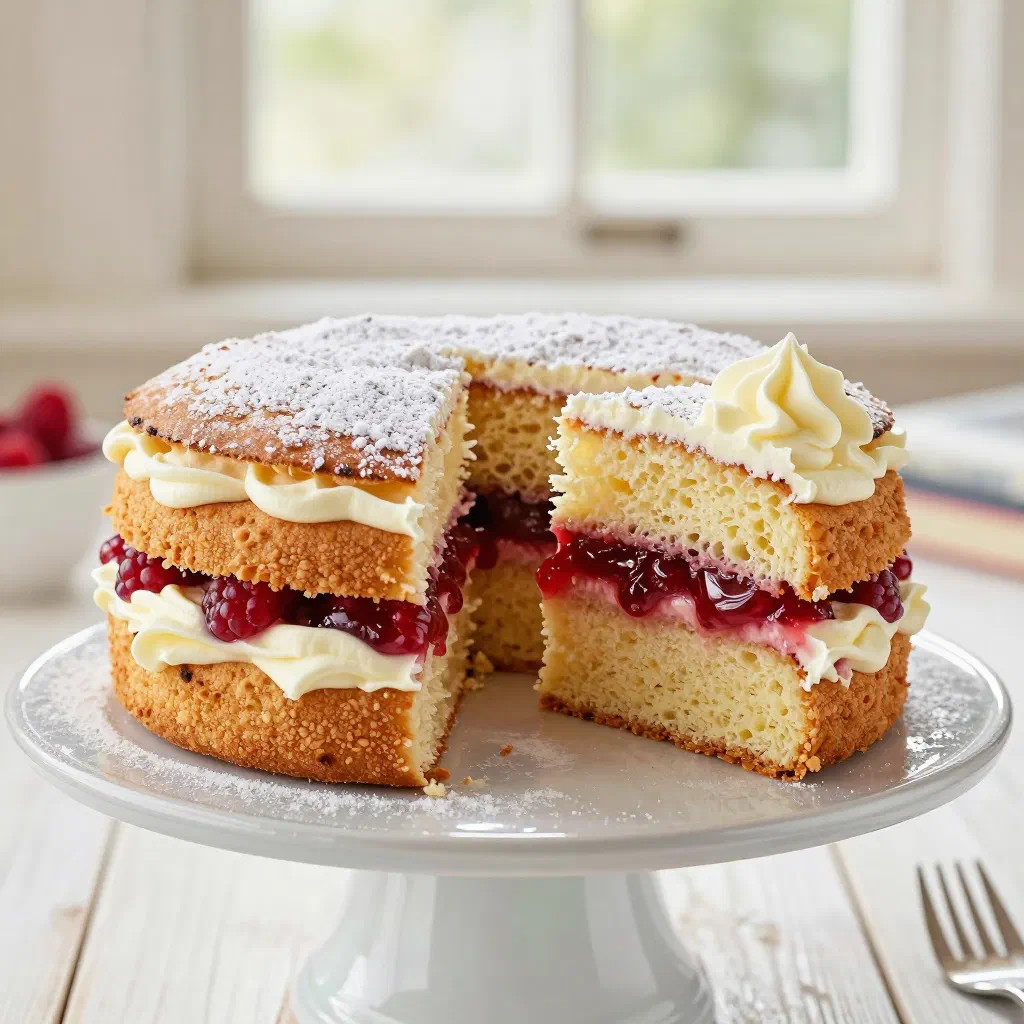
There are few things more quintessentially English than a Victoria sponge cake served alongside a steaming pot of tea. This featherlight sponge, sandwiched with a layer of jam and pillowy whipped cream and finished with a dusting of icing sugar, has been a fixture of the tea table since the 19th century. Simple to make yet utterly elegant, it is the perfect bake for a relaxed afternoon at home or a celebration worth marking. Bring a slice of British baking tradition to your own kitchen.
About Victoria Sponge Cake
The Victoria sponge cake is a truly classic bake that has been beloved in England since the 1800s. This airy sponge wins everyone over with its simple yet delicious make-up. Traditionally the cake is filled with a layer of fresh jam and whipped cream, which gives it its unmistakable flavour. The Victoria sponge is a genuine classic of British baking and a wonderful introduction to the country’s beloved England cuisine.
Ingredients (serves 1–2)
- 115 g soft butter
- 115 g sugar
- 2 eggs
- 115 g flour
- 1 tsp baking powder
- 1–2 tbsp jam (raspberry or strawberry, for example)
- 100 ml whipped cream
- Icing sugar, for dusting
Shopping for the ingredients
The ingredients for a Victoria sponge cake are easy to find in most food shops. The choice of a good-quality butter and jam matters most, as these form the flavour base of the cake. Where possible it is worth reaching for organic products, as they often offer more intense aromas. The cream, too, should be fresh and of good quality so the finished cake tastes its best.
Preparing the dish
Before you start baking, set out all your ingredients and grease the cake tin. Decide whether you would rather use two round tins or a single rectangular one. Preheating the oven to 180 °C is another important step that ensures the ideal baking temperature. One preparation that is often forgotten is sifting the dry ingredients. This improves the bake considerably.
Step-by-step instructions
- Preheat the oven to 180 °C and grease the cake tins.
- In a bowl, cream the soft butter and sugar together until the mixture is pale and fluffy.
- Add the eggs a little at a time and mix in well.
- Sift the flour and baking powder and fold them into the wet mixture.
- Divide the batter evenly between the prepared tins.
- Bake in the preheated oven for 20–25 minutes, until the top is golden brown and firm.
- Once baked, leave the cakes to cool on a wire rack.
- Spread the cooled cakes with jam and top with the whipped cream.
- Sandwich the two cake layers together and dust with icing sugar.
Gluten-free / lactose-free version
To make a gluten-free Victoria sponge cake, you can use gluten-free flour, which is widely available in supermarkets. Take care that all the other ingredients are gluten-free too. For a lactose-free version, swap the butter for a plant-based or lactose-free spread. The whipped cream can be replaced with coconut cream or lactose-free cream to achieve the same creamy effect.
Tips for vegans and vegetarians
For a vegan version of the Victoria sponge cake, you can replace the eggs with apple purée or a flax egg. The butter is easily substituted with vegan butter or margarine. Instead of whipped cream, a coconut-based vegan whipping cream works beautifully. Creative additions such as fresh fruit or nuts lend the cake an extra special touch, much in the same spirit as an Eton Mess.
More tips and tricks
One important tip is to have the ingredients at room temperature for a more even batter consistency. Make sure the cake is fully cooled before you fill it, to stop the filling running out. If you are baking the cake for a special occasion, remember to decorate it attractively, edible flowers can work real wonders here. The choice of jam, whether light or dark, can also influence both the look and the flavour of the finished cake.
Adapting the recipe to your taste
The Victoria sponge recipe is highly adaptable. Experiment with different flavours by adding fruit such as strawberries or raspberries. For a chocolatey twist you can stir cocoa powder into the batter or fold in chocolate chips. Everyone can find their own personal touch and shape the cake to suit their own palate. This flexibility means you can reinterpret the classic again and again.
Ingredient substitutions
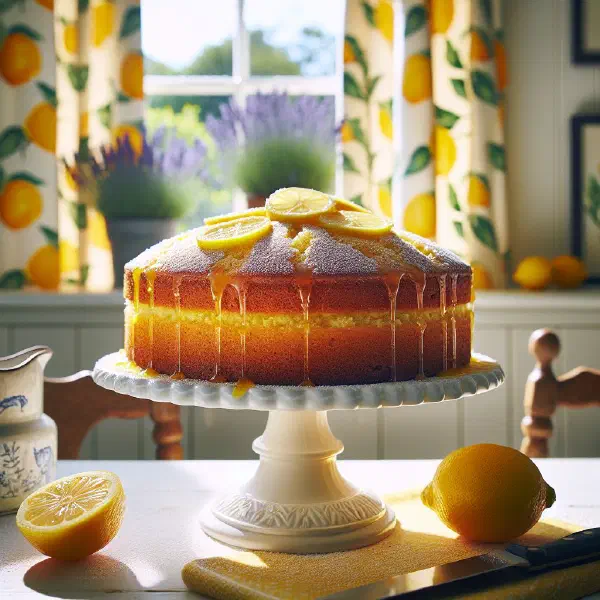
If you would rather not use butter, olive oil or coconut oil make excellent alternatives. For a reduced-sugar version you can use honey or agave syrup, which lend the cake a pleasant sweetness. The flour can also be replaced with almond or coconut flour to make the cake nuttier, a similar trick to the one that gives a Lemon Drizzle Cake its character. It is important to keep an eye on the batter consistency when swapping ingredients, so you still achieve the perfect cake.
Drink pairing ideas
A good Victoria sponge cake pairs wonderfully with a range of drinks. Black tea or green tea are classic companions that complement the flavour of the cake perfectly, much as they would for a traditional Cream Tea. For a refreshing alternative, a fruity iced tea or a homemade lime-and-mint drink would be ideal. If you prefer something with a little fizz, a Prosecco or sparkling wine is an excellent choice for marking the occasion.
Serving and presentation ideas
The presentation of a Victoria sponge cake plays a decisive role. Use attractive cake plates or a decorative cake stand to show the cake off at its best. A simple dusting of icing sugar can create an elegant look. Fresh berries or edible flowers arranged around the cake add a lively splash of colour and make the presentation even more inviting.
A bit of history
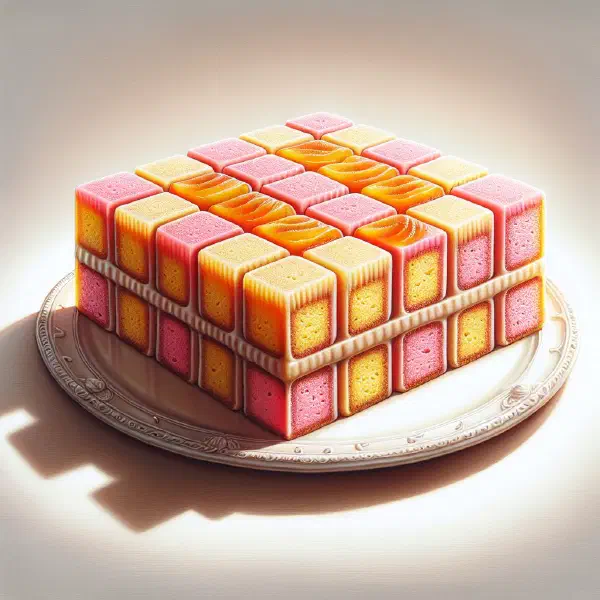
The Victoria sponge cake is named after the British Queen Victoria, who lived in the 19th century. It is said that she enjoyed this cake with her afternoon tea. The cake is a symbol of refined British tea culture and has lost none of its charm to this day. More broadly, the Victoria sponge stands for traditional British baking, appealing to generations with its simple recipe and elegant appearance, a true companion to the country’s celebrated baking heritage, much like the Battenberg Cake.
More recipe ideas
Summary: Victoria Sponge Cake
The Victoria sponge cake is a timeless classic that is delicious and embodies the tradition of British tea culture. With just a handful of ingredients and a few simple steps, you have everything you need to create this lovely bake yourself. It is versatile and adaptable, so anyone can tweak the recipe to suit their own taste. Enjoy your Victoria sponge with a cup of tea and bring a slice of British culture to your table.