National Dish England: Victoria Sponge (Recipe)
In this article
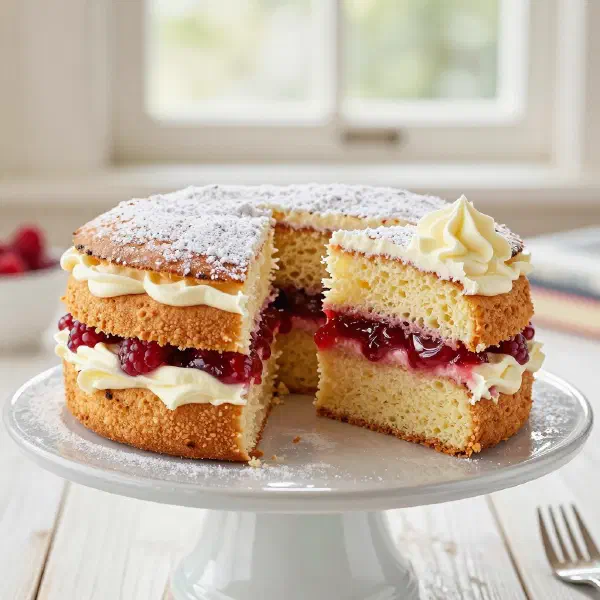
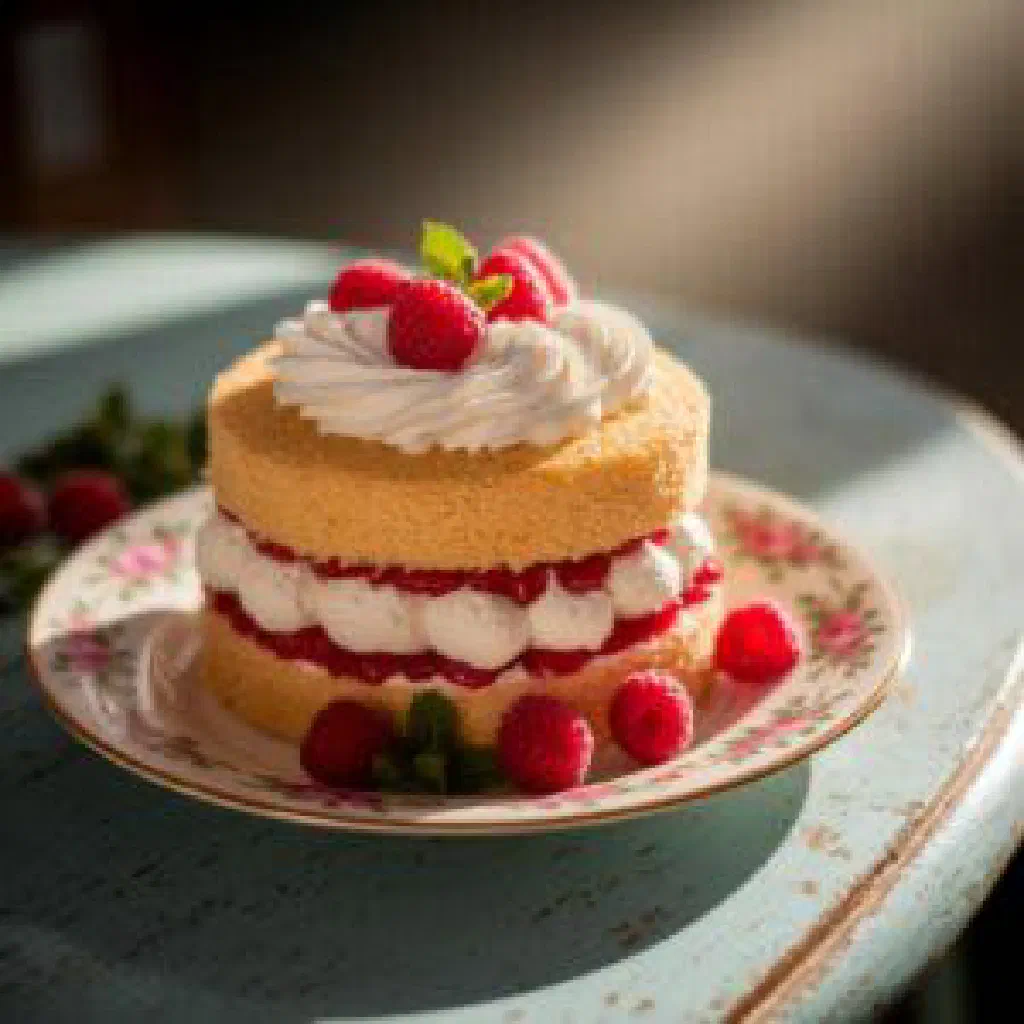
Few bakes capture the spirit of an English afternoon quite like the Victoria Sponge. This light, buttery layer cake, generously filled with jam and softly whipped cream and finished with a snowfall of icing sugar, has been a teatime staple since the 19th century. Named after Queen Victoria herself, it is the kind of unfussy, comforting cake that suits both a quiet coffee break and a grand celebration. Bring a little of that timeless British charm to your own kitchen with this simple classic.
About Victoria Sponge
The Victoria Sponge is far more than a simple cake; it is a genuine slice of British culinary heritage with a fascinating story behind it. This airy butter sponge is perfect for coffee breaks and special occasions alike. Named after Queen Victoria, it has been hugely popular since the 19th century. With its tender, delicate crumb and its filling of jam and cream, the Victoria sponge has won countless hearts and remains one of the best-loved cakes in English cuisine.
Ingredients (serves 1–2)
- 100 g softened butter
- 100 g sugar
- 2 large eggs
- 100 g plain flour
- 1 tsp baking powder
- 100 g jam (such as strawberry or raspberry)
- 200 ml whipping cream
- Icing sugar, for dusting
Shopping for the ingredients
When shopping for the ingredients, look for fresh, good-quality produce. The butter should be at room temperature so the batter reaches the best possible consistency. Choose a jam you genuinely love, as it is the main flavour running through the cake. For the cream, opt for fresh whipping cream so you can enjoy its full, rich aroma. Most of these everyday ingredients are easy to find in any supermarket.
Preparing the dish
Before you start baking, a little careful preparation goes a long way. Make sure all the ingredients are at room temperature, as this helps the butter and sugar emulsify properly. Preheat the oven to 180°C and grease your tin thoroughly. Lining the tin with baking paper is also a good idea, as it stops the cake from sticking and makes turning it out much easier later on.
Step-by-step instructions
- Beat the butter and sugar together in a bowl until the mixture is light and fluffy.
- Add the eggs one at a time, mixing well after each addition.
- Gently fold in the flour together with the baking powder.
- Spread the batter evenly into the prepared tin and bake for 25–30 minutes, until the cake is golden brown and cooked through.
- Remove the cake from the oven and leave it to cool completely.
- Slice the cake horizontally, spread the bottom half with jam and top with the whipped cream.
- Place the upper layer back on and dust with icing sugar.
Gluten-free / lactose-free version
For a gluten-free version of the Victoria sponge, simply use a gluten-free flour, which can usually be swapped in at a 1:1 ratio. Take extra care when choosing your margarine, as not all products are lactose-free. There are also dedicated lactose-free cream alternatives that whip up beautifully. Always check the named products carefully to be sure they suit your particular dietary needs, much as you would for a delicate Zesty Lemon Posset.
Tips for vegans and vegetarians
For a vegan version, you can replace the eggs with apple sauce or flaxseed. The butter can be swapped for margarine or coconut oil, while the whipping cream can give way to plant-based alternatives such as soya or coconut cream. These creative adjustments preserve the delicious taste of this classic British cake while catering to different dietary needs. Experiment with various plant-based ingredients to create your own perfect version.
More tips and tricks
To keep your Victoria sponge especially moist, you can lightly brush the baked cake with a simple syrup made from water and icing sugar. Be sure to let the cake cool completely after baking before you fill it, so the cream does not melt. The consistency of the whipped cream matters too; whip it until firm but not stiff for the best results. A thoughtful touch of decoration, such as fresh fruit, can give the cake an extra special flourish.
Adapting the recipe to your taste
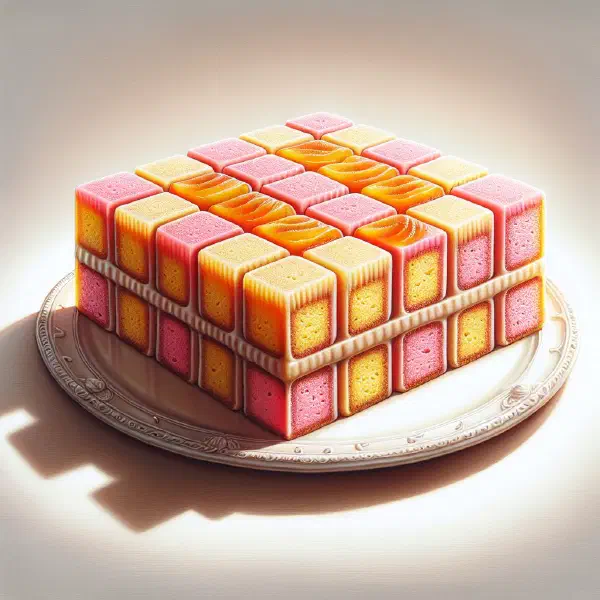
The Victoria sponge is easy to tailor to your own preferences by trying different fillings. Instead of jam, you could use a fruit compote or lemon curd for a fresher note. If you fancy being a little more adventurous, fold chocolate chips or chopped nuts into the batter. Let your imagination run free and strike up a creative dialogue with the traditional recipe, the same playful spirit that gives a Battenberg Cake its charm.
Ingredient substitutions
If some ingredients are not to hand, there are good alternatives. Instead of fresh butter, you can use oil for an even moister cake. When it comes to the flour, a blend of rice flour and starch makes an excellent substitute. The jam can be replaced with a homemade chutney, which lends the cake an original twist on flavour. Be ready to experiment with different tastes the next time you bake, perhaps inspired by a fruity Baked Apple with Custard.
Drink pairing ideas
The Victoria sponge pairs wonderfully with a cup of freshly brewed tea, especially Earl Grey or Darjeeling, much like a traditional Cream Tea. A homemade lemonade made from fresh lemons offers a refreshing contrast to the sweet cake. A crisp rosé or a lightly sparkling cider can round out the experience too. For an alcohol-free option, try a sparkling fruit water, which underscores the cake’s flavours beautifully.
Serving and presentation ideas
To present your Victoria sponge attractively, serve it on a lovely cake plate or a tiered stand. A decoration of fresh berries or edible flowers can add a real visual highlight. For an elegant look, slice the cake and arrange the pieces on a smart serving platter. Don’t forget to dust the cake with icing sugar; it adds that final wow factor and a touch of teatime glamour.
A bit of history
The Victoria sponge has its roots in Victorian England and was named after the popular Queen Victoria. She is said to have been particularly fond of the cake, which was often served during her afternoon tea. The cake reflects the sweet, simple cookery of the 19th century and has become a true national favourite to this day. Its enduring popularity is reflected in the many variations and regional adaptations that have appeared over the years across English cuisine.
More recipe ideas
Summary: Victoria Sponge
The Victoria sponge is more than just a cake. It embodies tradition and conviviality in a single slice. With its straightforward preparation and endless scope for personal touches, it is the ideal bake for any occasion. From choosing the ingredients to the final presentation, every stage of the process is a pleasure. Let this British classic inspire you and create your own delicious masterpiece.