National Dish Equatorial Guinea: Matoke (Recipe)
In this article
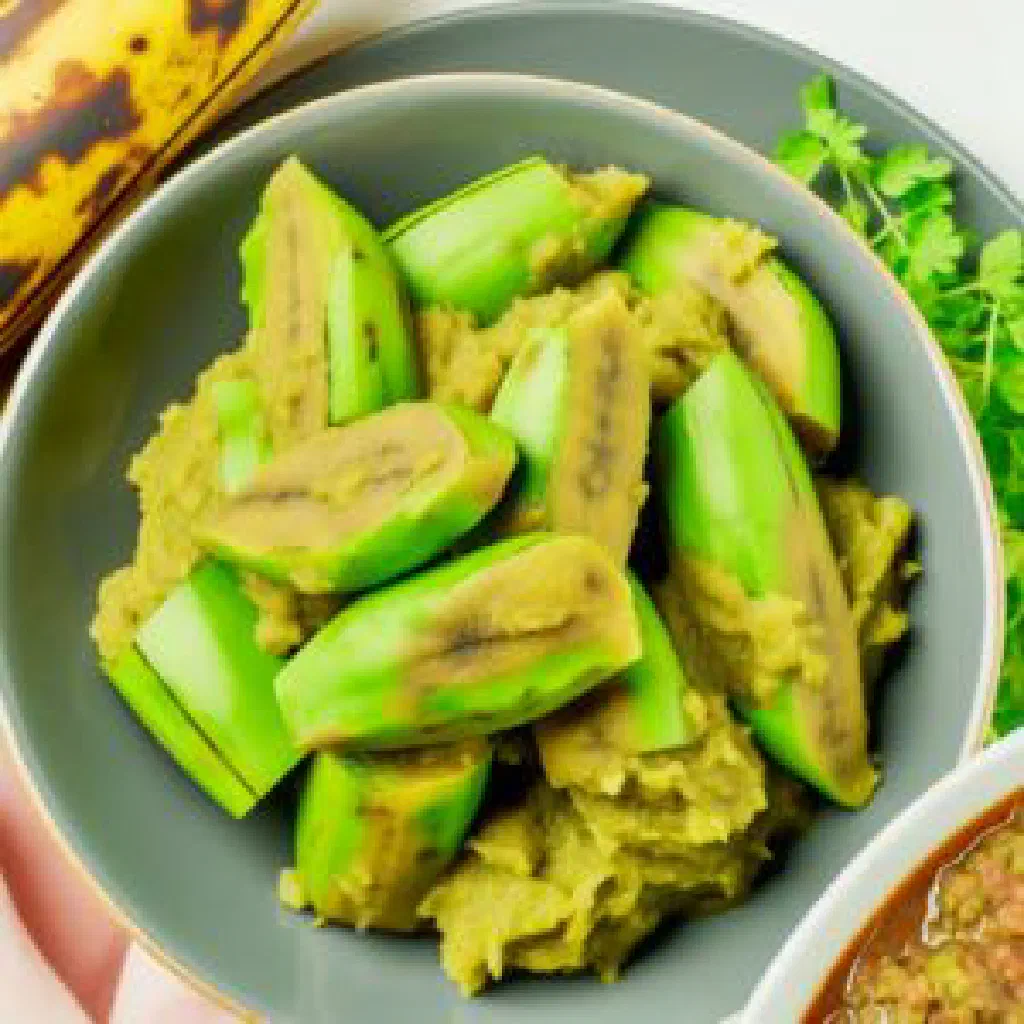
Say hello to Matoke, a comforting dish of tender green plantains gently simmered with onion, garlic and ginger. Simple, hearty and full of warmth, it captures the generous spirit of the West African table. This is the kind of home cooking that turns humble, everyday ingredients into something genuinely satisfying, and it belongs at the very heart of Equatorial Guinean cuisine.
About Matoke
Matoke, a traditional dish made from green plantains, is a true symbol of Equatorial Guinean cuisine. It wins people over with its distinctive flavour and with its wealth of nutrients. Matoke is often finished with aromatic spices that draw out its flavours beautifully. Preparing it is very much part of a shared way of eating, reflecting the warmth and hospitality of the people of Equatorial Guinea.
Ingredients (serves 1–2)
- 4–5 green plantains
- 2 tablespoons olive oil or coconut oil
- 1 onion, finely chopped
- 2 cloves garlic, crushed
- 1 teaspoon fresh ginger, grated
- Salt and pepper to taste
- Fresh herbs of your choice (such as parsley or coriander)
Shopping for the ingredients
The ingredients for matoke are available in many supermarkets and at local markets. Take care to choose fresh green plantains, as they are crucial to the flavour and texture of the dish. The onions and garlic should be fresh too, so you get the best possible aroma. You will often find the spices and herbs you need in the international aisle of your supermarket, or in specialist African or Asian grocers.
Preparing the dish
Before you start cooking matoke, it is worth getting all your ingredients ready. First peel the green plantains, the easiest way is to trim off the ends and then pull away the skin. Next, cut the plantains into large chunks so they cook evenly. The onion and garlic should be finely chopped and crushed, so their flavour spreads well through the dish.
Step-by-step instructions
- Heat the oil in a large pot and sauté the chopped onion until translucent.
- Add the crushed garlic and the ginger and fry everything together for a few minutes.
- Add the prepared plantain chunks to the pot and stir well to combine.
- Pour in a little water and bring to the boil, then reduce the heat, cover and leave to simmer gently for about 20–25 minutes.
- Season with salt, pepper and fresh herbs, then serve.
Gluten-free / lactose-free version
Matoke is naturally gluten-free and lactose-free, which makes it an ideal choice for anyone with those intolerances. You can also make sure that any spices and oils you use are free from gluten and lactose. If you prefer a firmer texture, you can cook the plantains in a steamer instead, which helps to preserve their nutrients.
Tips for vegans and vegetarians
Matoke is gluten- and lactose-free and vegan and vegetarian. To make the dish more varied, you can add vegetables such as carrots, peppers or green beans. These boost the nutritional value and make the dish brighter and more appealing. Don’t forget to stick to plant-based oils to keep the recipe completely vegan.
More tips and tricks
To intensify the flavour of matoke, try experimenting with different spices, such as cumin or turmeric. These may shift the dish away from its original taste, but they bring an exciting new note into play. You can also lightly roast the plantains before cooking, which adds extra flavour and a special texture. Your choice of fresh herbs in the final step is key to the balance of flavours, so experiment to suit your own palate.
Adapting the recipe to your taste
Matoke is an extremely versatile dish and easy to adapt to personal preference. For example, you can keep the spices gentle if you prefer things mild, or add extra fiery ingredients for a kick. The sides can be varied too; matoke goes wonderfully with roasted vegetables or a fresh salad, much like Tostones. Don’t be afraid to get creative and shape the recipe to your own individual taste.
Ingredient substitutions
If you are looking for alternatives to plantains, you could also use sweet potatoes or potatoes to achieve similar textures. These options lend the dish a different flavour note but are just as nutritious. For the oils, you can also try palm oil or sesame oil, which add another dimension to the dish. Bear in mind that every change affects the overall balance, so be ready to experiment with the ingredients, the same spirit that shapes Yuca Con Mojo.
Drink pairing ideas
A range of drinks pairs beautifully with matoke and complements its flavour. A refreshing lemonade-style drink or a lightly fruity smoothie make excellent companions. A glass of white wine or a light beer mix can also be a good choice. If you would rather avoid alcohol, freshly pressed juices such as a Jugo De Mango or herbal teas complement the flavours of the dish nicely.
Serving and presentation ideas
The presentation of your matoke can make a real difference to the first impression. Use colourful vegetable sides and fresh herbs as a garnish to bring the plate to life. A simple but elegant arrangement on a large plate creates an inviting atmosphere at the table. Don’t forget to serve the dish in an attractive bowl to reflect the tradition and hospitality behind it.
A bit of history
Matoke has its roots in African cooking and is prepared in various forms across many countries. It is a dish often made within families, reflecting the traditions and stories of Equatorial Guinean culture. Historically, matoke grew out of the need to create nourishing, filling dishes from locally available ingredients. That tradition is still cherished today and shows the importance of matoke within the country’s ethnic communities and its wider Equatorial Guinean cuisine.
More recipe ideas
Summary: Matoke
Matoke is more than just a dish; it is an expression of Equatorial Guinean culture and hospitality. It is simple to prepare and offers a wealth of health benefits, making it an ideal choice for any occasion. Matoke brings the flavours and traditions of Equatorial Guinea to the table. Let this recipe inspire you and enjoy the journey through the country’s culinary diversity.