National Dish Equatorial Guinea: Puchero (Recipe)
In this article
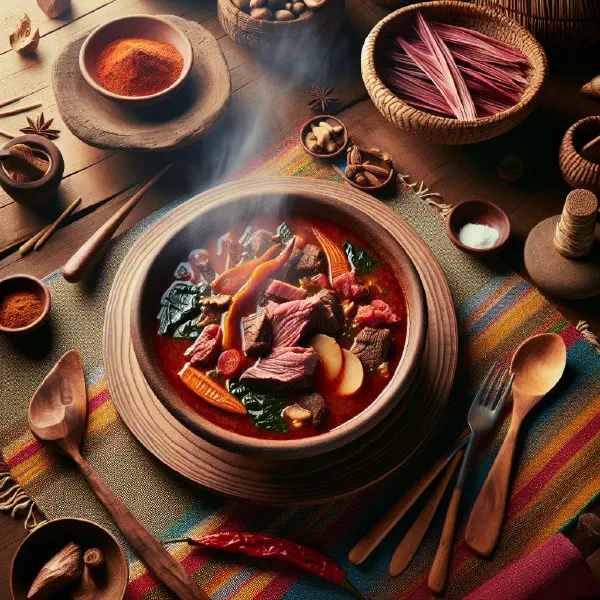
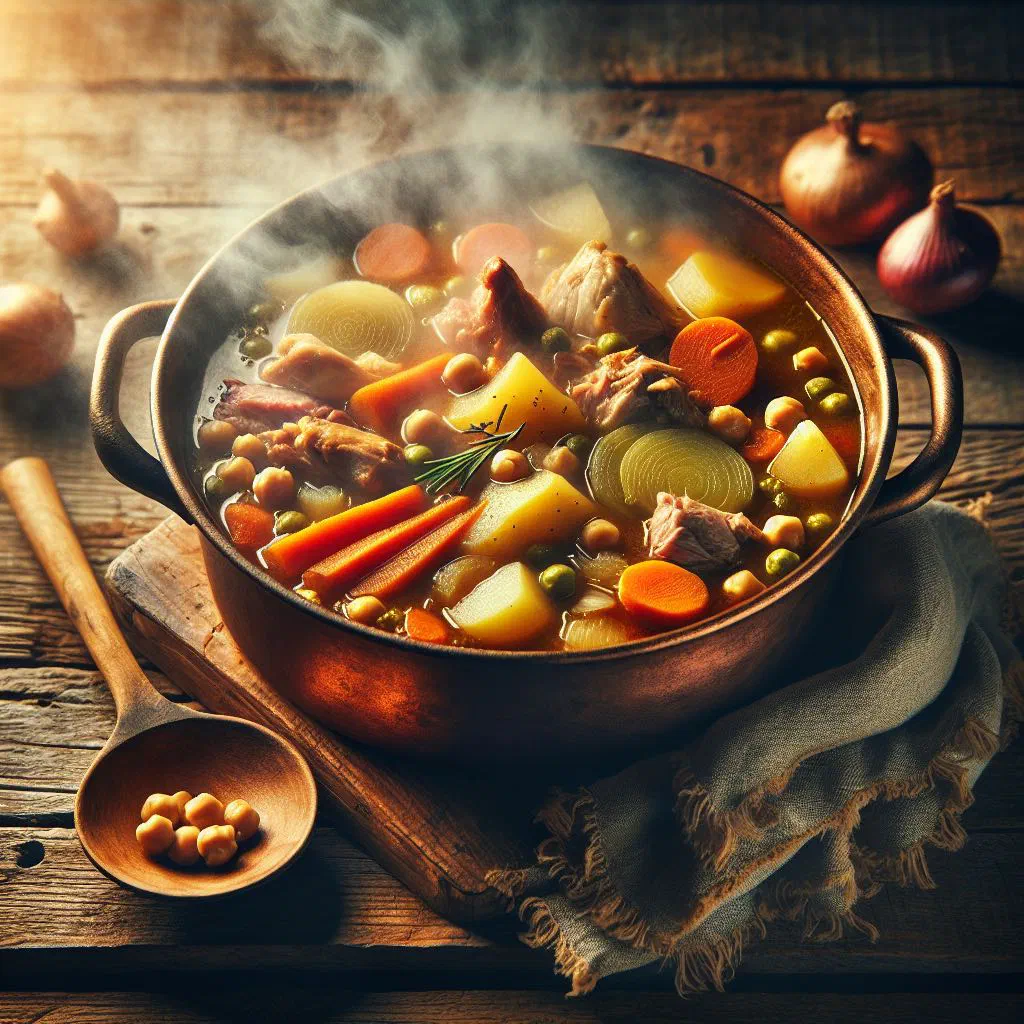
Say hello to Puchero, the hearty one-pot stew that many regard as the national dish of Equatorial Guinea. Tender pieces of meat simmer gently with potato, carrot and peppers in a fragrant broth until everything turns meltingly soft and deeply savoury. Traditionally shared at family gatherings and celebrations, it is the kind of warming, generous dish that draws people to the table. Bring a taste of West African hospitality straight into your own kitchen.
About Puchero
Puchero is the national dish of Equatorial Guinea and counts among the highlights of the country’s home cooking. This hearty stew brings together fresh ingredients such as vegetables, meat and aromatic spices, which together create a distinctive and satisfying flavour. It is traditionally served at special occasions and family celebrations, reflecting the culture and hospitality of the Equatoguinean people. Making Puchero is not only about cooking; it is also an opportunity to gather with friends and family and create lasting memories.
Ingredients (serves 1–2)
- 200 g beef or chicken
- 1 large potato
- 1 carrot
- 1 onion
- 1 pepper
- 2 cloves of garlic
- 1 litre vegetable or meat stock
- 3 tablespoons vegetable oil
- Salt and pepper, to taste
- Fresh herbs such as parsley or coriander
Shopping for the ingredients
To make Puchero, fresh, good-quality ingredients make all the difference. Visit your local market stalls or supermarkets to pick out the best vegetables and cuts of meat. Pay particular attention to fresh herbs, as these give the dish a special lift. You can often find helpful shortcuts in the freezer section too, such as pre-prepared vegetables, to make the cooking a little easier.
Preparing the dish
Before you start cooking, it is important to get all the ingredients ready. Wash and peel the vegetables, then cut them into even pieces so they cook at the same rate. The meat should also be cut into bite-sized chunks. The onion and garlic can be finely chopped to release their aromas at their best.
Step-by-step instructions
- Heat the vegetable oil in a large pot over medium heat.
- Add the onion and garlic and fry until golden brown.
- Add the chopped meat and brown it lightly on all sides.
- Stir in the prepared vegetables and mix everything together well.
- Pour in the stock and bring everything to the boil.
- Reduce the heat and let the stew simmer for about 45 minutes.
- Season with salt, pepper and fresh herbs to taste.
- Serve the Puchero hot and enjoy it with a little fresh bread.
Gluten-free / lactose-free version
Puchero is naturally gluten-free and lactose-free, as long as you avoid adding gluten-containing sauces or dairy products. Use a gluten-free stock or a homemade broth, and be sure to serve gluten-free bread if you like a little on the side. It is also worth checking that any spices you buy are labelled gluten-free, just to be certain.
Tips for vegans and vegetarians
For a vegan or vegetarian version of Puchero, simply swap the meat for plant-based proteins such as tofu or tempeh. Use a vegetable stock to deepen the flavour, and make sure the vegetables you choose are hearty and varied so the stew stays nourishing and tasty. Adding pulses such as chickpeas or lentils is another good way to bring in a protein-rich element, much as they do in a bowl of Sopa De Frijoles.
More tips and tricks
One key tip for making Puchero is to prioritise the freshness of the ingredients. The fresher the vegetables and meat, the better the finished flavour. Experiment with extra spices or vegetables to give your Puchero a personal touch. Let the dish rest for a while after cooking so the flavours have time to mingle. This improves the taste considerably.
Adapting the recipe to your taste
Puchero is a wonderfully adaptable dish that gives you the freedom to shape it to your own preferences. You can use different types of meat, or go entirely vegetable-based, depending on what you enjoy most. Just remember to adjust the cooking times if you change the meat, so that everything cooks evenly. Adding traditional Equatoguinean spices can also refine the dish and make it more authentic.
Ingredient substitutions
If some ingredients are not available, there are plenty of alternatives you can turn to. In place of beef, for example, you could use pork or poultry. The vegetables are flexible too, carrots and peppers can easily be swapped for squash or courgette. When it comes to spices, feel free to use a regional blend or to make your own mixture that you think works well together, in the same spirit as the meaty Estofado De Carne.
Drink pairing ideas
To round off the experience, you can serve suitable drinks alongside your Puchero. A mild red wine or a crisp white wine both pair nicely with the stew. A freshly brewed iced tea or a fruity mocktail also make wonderful companions. Many Equatoguineans like to enjoy the dish with traditional drinks such as Malta or palm wine.
Serving and presentation ideas
Presentation can be an essential part of the enjoyment of Puchero. Serve the stew in a large bowl or on plates, and garnish it with fresh herbs to add colour and freshness. Accompanying bread can be arranged on a wooden board for an inviting, rustic look. Make sure the plates are pleasantly warm, too, to make the whole experience more appealing.
A bit of history
Puchero has its roots in traditional African cooking and was shaped over time by colonial influences. The dish symbolises the diversity and richness of Equatoguinean culture and is often associated with community and celebration. Originally prepared as a simple country dish, it is today found in many modern kitchens and restaurants across Equatorial Guinea. It tells the story of the people, their traditions and their love of good food, a proud part of Equatorial Guinea cuisine.
More recipe ideas
Summary: Puchero
Puchero is a hearty and delicious dish, and a symbol of Equatoguinean culture. With its wealth of fresh ingredients and distinctive flavour, it brings people together and invites them to celebrate community. It is simple and adaptable to make, so it suits every taste. Dive into the world of Puchero and bring a little African warmth to your own table.