National Dish Equatorial Guinea: Saka-Saka (Recipe)
In this article
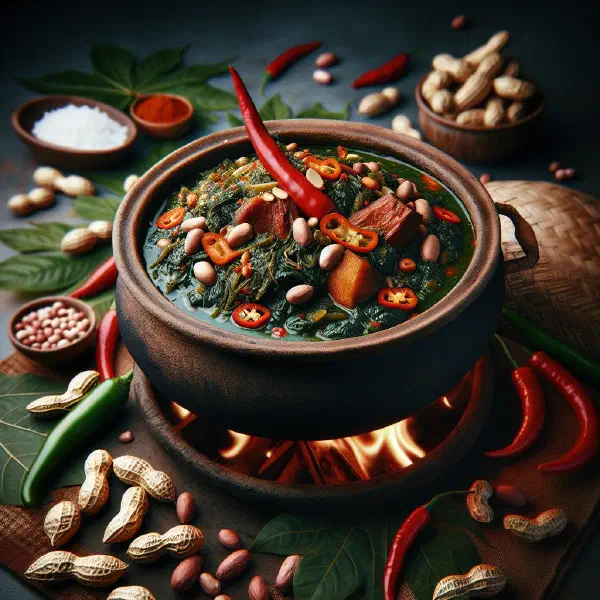
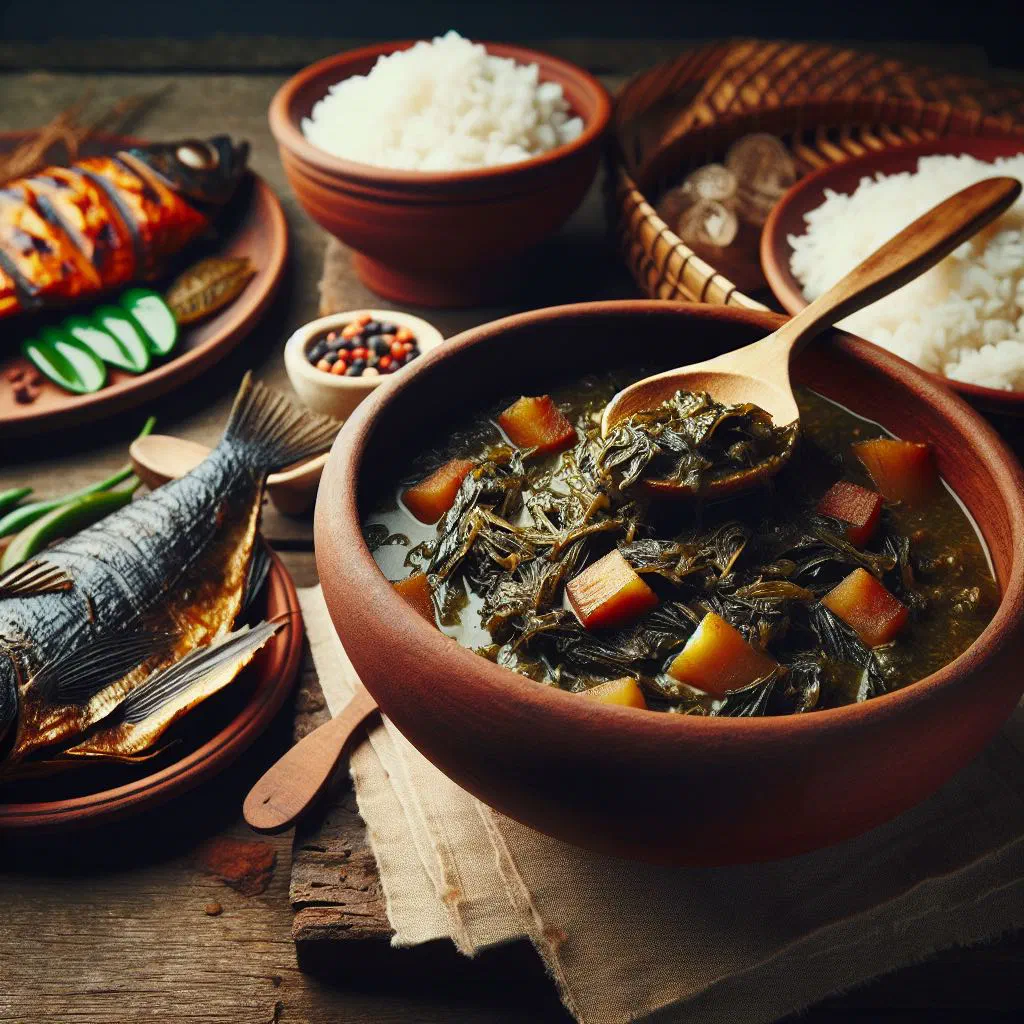
Meet Saka-Saka, a soulful green stew that sits at the heart of Equatorial Guinea’s cooking. Built from tender cassava leaves simmered with ground peanuts and, if you like, a little fish, it is nourishing, deeply savoury and made for sharing. This is the kind of dish that appears at celebrations and family gatherings alike, offering a genuine taste of local ingredients and West African warmth. Bring a pot of it to your own table and enjoy a little slice of Central African culture.
About Saka-Saka
Saka-Saka is made chiefly from the leaves of the cassava plant, which are wonderfully rich in nutrients. The leaves are most often combined with peanuts or fish, and it is this pairing that gives the dish its especially moreish character. Beyond its wholesome ingredients, saka-saka is a firm favourite at festive occasions and is frequently enjoyed in good company. It is a lovely way to celebrate local produce and flavours while gaining an insight into the culture of Equatorial Guinea.
Ingredients (serves 1–2)
- 200 g freshly cut cassava leaves
- 100 g peanuts
- 1 small onion
- 2 cloves of garlic
- 2 tablespoons palm oil or olive oil
- Salt and pepper, to taste
- Optional: 100 g dried or fresh fish
Shopping for the ingredients
To make the best saka-saka, it is worth seeking out the freshest ingredients you can find. Cassava leaves are stocked by many African and Asian grocers, so it is worth a visit to a specialist shop. When choosing your peanuts, look for unsalted, unroasted varieties, as these bring the necessary creaminess and natural sweetness to the dish. Palm oil is a traditional part of African cooking and lends the stew a distinctive note, though a good olive oil will do at a pinch.
Preparing the dish
Start by washing the cassava leaves thoroughly and chopping them into small pieces. The peanuts can be left whole or partly ground, depending on the texture you prefer. Finely chop the onion and garlic too, so their flavour spreads evenly through the finished dish. If you plan to use fish, it is a good idea to dry or grill it beforehand to intensify its flavour.
Step-by-step instructions
- Heat the oil in a large pan and sauté the onion and garlic until golden brown.
- Add the washed and chopped cassava leaves and stir well to combine.
- Stir in the ground peanuts, mixing everything thoroughly. Add a little water if needed to loosen the consistency.
- If you are using fish, add it now and stir it through gently. Season with salt and pepper to taste.
- Let the dish simmer over low heat for around 20–30 minutes, stirring regularly, until the leaves are tender.
Gluten-free / lactose-free version
One of the great virtues of saka-saka is that it is naturally gluten-free and lactose-free. This makes it a brilliant choice for anyone with those intolerances. The ingredients are entirely plant-based and free from animal products, which means the base recipe is also suited to vegans. Just take care that any processed ingredients, such as spices and oils, contain no hidden gluten.
Tips for vegans and vegetarians
Saka-Saka is easily adapted to vegan or vegetarian tastes. If you would rather leave out the fish or meat, simply make the dish with cassava leaves and peanuts alone. For an extra hit of protein and nutrients you could add tofu or tempeh, both of which soak up the flavours beautifully. Do experiment with different spices, too, to refine the taste of your saka-saka even further.
More tips and tricks
For a perfect pot of saka-saka, it is important not to overcook the cassava leaves, so they keep their bright colour and nutrients. Stir the dish regularly to stop it catching on the base of the pan. If you prefer a creamier consistency, purée the peanuts before adding them. A little citrus juice or zest stirred in just before serving also lends the dish a bright, fresh lift.
Adapting the recipe to your taste
Saka-Saka is highly adaptable, so you can easily change the ingredients to suit your preferences. Experiment with different kinds of nuts, or add various vegetables to vary the flavour. Some like it a little hotter, so feel free to throw in chillies or other fiery spices. The ratio of peanuts to cassava leaves can also be adjusted depending on the texture you are after.
Ingredient substitutions
If you cannot find cassava leaves in your area, other leafy greens such as spinach or kale make a good alternative. They can be prepared in much the same way and offer a similar impression on the palate, much like the greens that shine in Fumbwa or Bitaleaf. In place of peanuts you might use cashews or almonds, which lend the dish a different depth of flavour. When choosing fish, it is wise to favour sustainable sources to help protect the environment.
Drink pairing ideas
Well-chosen drinks can enhance the whole saka-saka experience. A refreshing lime water or a glass of passion fruit juice pairs wonderfully with the dish’s savoury flavours. For an alcoholic option, a fruity cocktail or a light white wine makes an excellent choice. You might also try a local African beer, whose character harmonises nicely with the hearty texture of saka-saka.
Serving and presentation ideas
Presentation can set the whole mood of the meal. Serve saka-saka in a traditional bowl or on a colourful plate to please the eye. A scattering of fresh herbs as a garnish benefits both the look and the flavour of the dish. A small portion of rice or a piece of traditional bread such as Tapalapa Bread makes a lovely accompaniment and rounds off the plate handsomely.
A bit of history
Saka-Saka has a history and is deeply rooted in the culinary traditions of Equatorial Guinea. The pairing of cassava leaves and peanuts reflects the typical farming practices of the region. Fresh stews and hearty pots built from local produce have long been mainstays of the home kitchen. This dish also embodies the essence of West African cooking, which builds a harmonious relationship with regional ingredients and brings them together in festive food rituals across Equatorial Guinea cuisine.
More recipe ideas
Summary: Saka-Saka
Saka-Saka is more than just a dish; it is a symbol of the cultural diversity and culinary traditions of Equatorial Guinea. With its delicious combination of cassava leaves, peanuts and optional fish, it offers a unique taste experience that is simple to prepare. Saka-saka is a dish that is sure to be remembered. Let its flavours win you over and bring a little piece of African culture into your home.