National Dish Equatorial Guinea: Tapalapa Bread (Recipe)
In this article
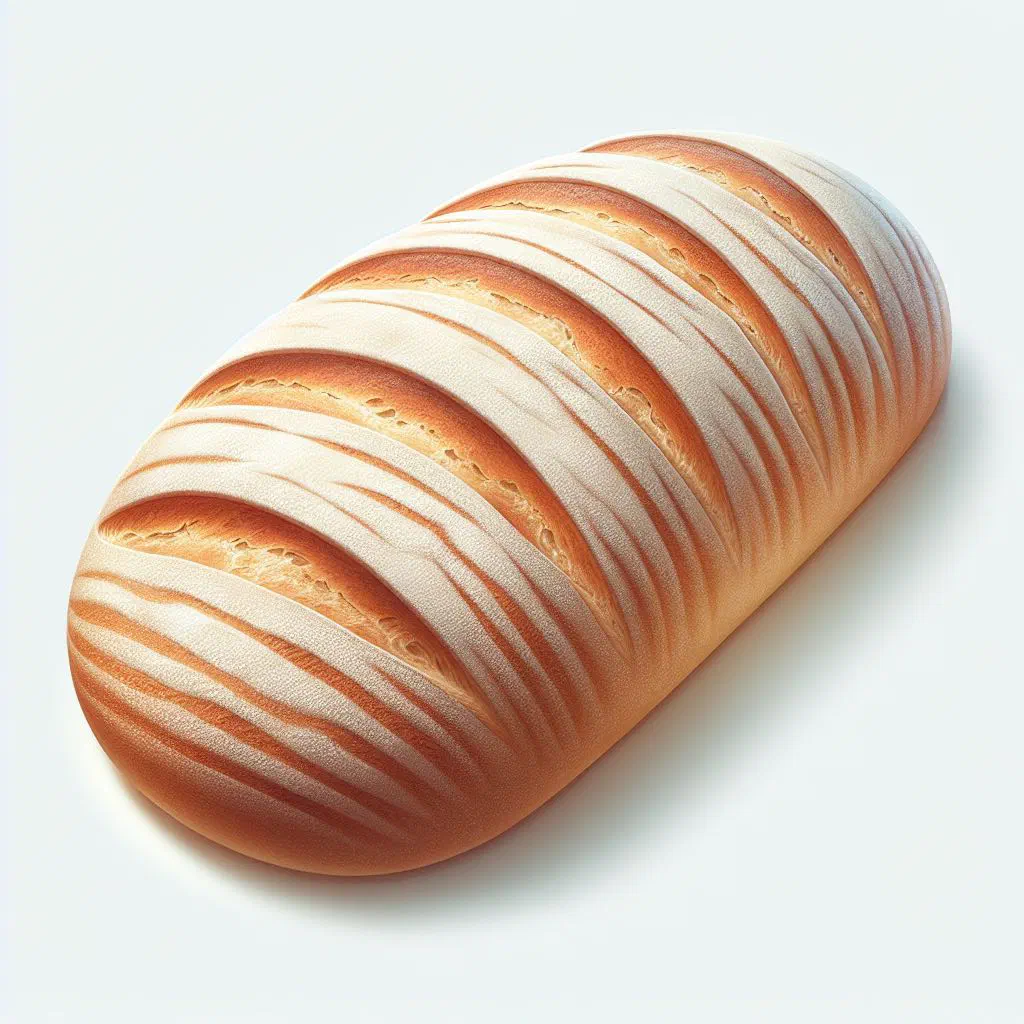
Meet Tapalapa bread, a rustic loaf that sits at the heart of the kitchen in Equatorial Guinea. Dense, hearty and deeply satisfying, it is the kind of bread that turns a simple bowl of stew into a proper meal. Made from just a handful of everyday ingredients, it needs no special equipment and rewards you with a golden crust and a chewy crumb. Bake a loaf at home and bring a taste of Central West Africa straight to your table.
About Tapalapa Bread
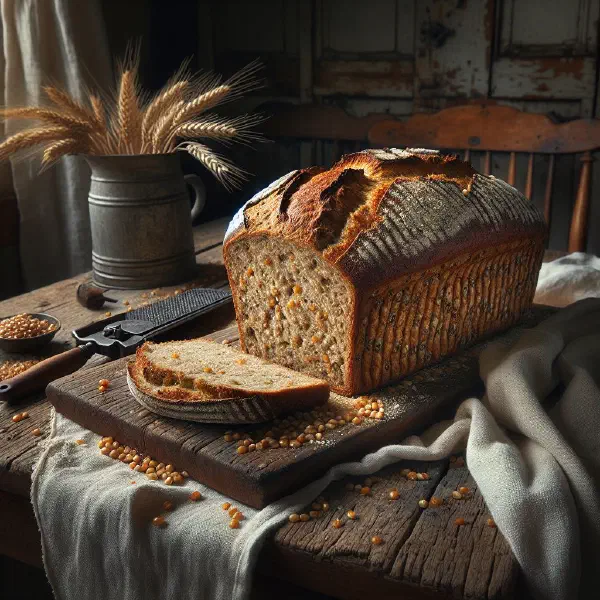
Tapalapa is a traditional bread from Equatorial Guinea that plays an important role in the local kitchen. It is known for its dense, hearty texture, which makes it the perfect companion to all sorts of dishes. Preparing tapalapa calls for only a few basic ingredients that are easy to find.
Ingredients (serves 1–2)
- 250 g flour (e.g. plain wheat flour)
- 150 ml water
- 1 teaspoon salt
- 1 tablespoon oil (e.g. vegetable oil)
- Optional: spices of your choice (e.g. paprika, cumin)
Shopping for the ingredients
When shopping for tapalapa, it is worth choosing fresh, good-quality products. Pay particular attention to the flour, as it has a real influence on the flavour of the finished bread. Many of the ingredients, such as the oil and the spices, can be adjusted to suit your own taste. Look to local markets or wholefood shops for fresh ingredients that will bring out the best aroma in your loaf.
Preparing the dish
Getting ready is straightforward and does not take much time. First, gather and measure out all of your ingredients. Then, depending on your preference, choose the spices you would like to work into the dough. It is a good idea to use lukewarm water, as this makes the dough easier to knead and gives it a smoother texture.
Step-by-step instructions
- Tip the flour and salt into a large bowl and mix well.
- Add the water and the oil, then knead everything into a smooth dough.
- Leave the dough to rest for around 10 minutes.
- Shape the dough into a round loaf or press it flat, then place it on a baking tray.
- Bake in a preheated oven at 200°C for about 30–35 minutes.
- Take the bread out of the oven and let it cool on a wire rack before slicing.
Gluten-free / lactose-free version
For anyone following a gluten-free or lactose-free diet, there are easy alternatives. Swap the wheat flour for a gluten-free flour, such as rice flour or a gluten-free flour blend. Adding a little plant-based milk in place of water can also improve both the flavour and the texture of the bread. Just be sure that every ingredient you use is certified gluten-free to avoid cross-contamination.
Tips for vegans and vegetarians
A vegan version of tapalapa is simple to put together by replacing any traditional ingredients with plant-based alternatives. Use a vegetable oil and check that no animal products were used in the making of your flour. Beyond that, let your creativity run free and work different flavourings into the dough, such as fresh herbs or a little garlic, to make the loaf your own.
More tips and tricks
A few small touches can make your tapalapa bread even tastier. Experiment with different spices and herbs to adjust the aromas to your liking. For the last quarter of the baking time, you can place a small bowl of water in the oven to encourage a crisp crust. Always let the bread cool thoroughly after baking, before you cut into it, to get the very best texture.
Adapting the recipe to your taste
The recipe for tapalapa is wonderfully adaptable and offers plenty of scope for personalisation. Add nuts or dried fruit, for example, if you fancy a slightly sweeter loaf. You can also vary the amount of salt and spice to match your own palate. Experimenting with different types of flour can likewise yield some interesting results.
Ingredient substitutions
If certain ingredients are not to hand, there is usually a simple alternative. In place of wheat flour, you could use spelt flour or buckwheat flour. For the oil, various vegetable oils or even olive oil make a healthy choice. Using yeast instead of baking powder will also give the loaf different textural qualities, if that is what you are after, much like the breads served alongside a hearty Estofado De Carne.
Drink pairing ideas
Pairing tapalapa with the right drink can lift the whole meal. This hearty bread goes beautifully with fresh juice cocktails or herbal teas. If you are after something without alcohol, try a glass of ginger beer or a fruity lemonade. For a more traditional African experience, you might also serve a cold beer or a fruity wine, the same drinks that suit a bowl of Sopa De Frijoles.
Serving and presentation ideas
With a little creativity, your tapalapa bread can become a real centrepiece. Serve the loaf on a rustic wooden board alongside a selection of dips or spreads, such as an avocado cream. Decorate the table with fresh herbs or small jars holding the ingredients you used, to create an inviting atmosphere. A simple but elegant presentation can enhance the whole eating experience.
A bit of history
Tapalapa is deeply rooted in the cooking of Equatorial Guinea and has a long history. It was traditionally prepared and enjoyed by families, especially at special occasions and festivals. Made from a few humble ingredients, it reflects the cultural identity and the culinary traditions of the region. Today, tapalapa is prized within Equatorial Guinea and across other parts of West Africa, and it holds a firm place in Equatorial Guinean cuisine.
More recipe ideas
Summary: Tapalapa Bread
With tapalapa, you can bring a little piece of Equatorial Guinea to your own table. This dense, flavourful bread is easy to make and endlessly versatile. Enjoy it as a side to countless dishes or simply as a snack between meals. With a touch of creativity and the adjustments suggested above, you can shape this traditional recipe entirely to your own taste.