National Dish Eritrea: Tsebhi Dorho (Recipe)
In this article
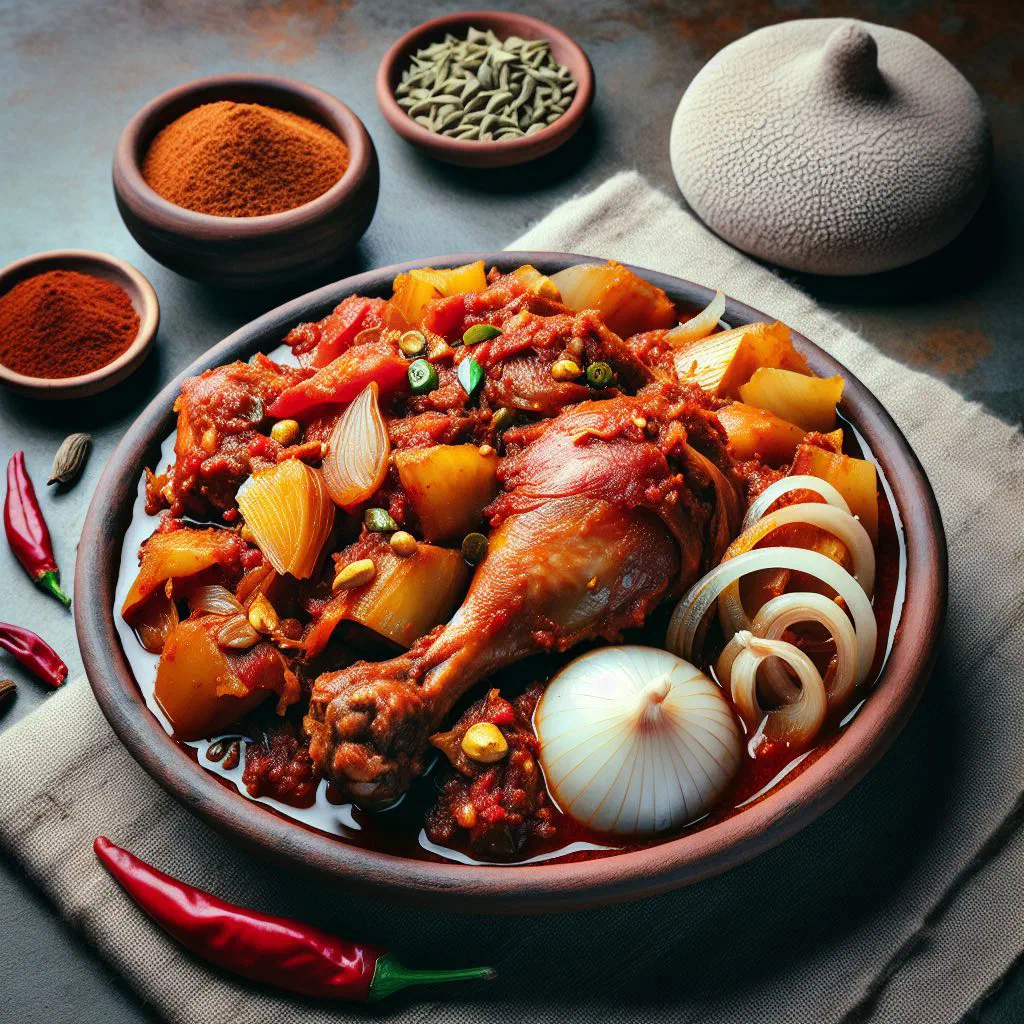
Meet Tsebhi Dorho, the national dish of Eritrea and a wonderful window into the country’s rich food culture. This slow-simmered chicken stew builds its deep flavour on berbere, a fiery blend of chillies and warm spices, mellowed with onions and tomatoes. Traditionally shared from a communal platter and scooped up with soft, tangy injera, it is a dish made for gathering friends and family around the table. Bring a taste of the Horn of Africa into your own kitchen.
About Tsebhi Dorho
Tsebhi Dorho is the national dish of Eritrea and captures the variety and richness of Eritrean cuisine. It is a deeply flavoured chicken stew cooked slowly in an aromatic sauce of berbere spices, tomatoes and onions. The use of berbere, a traditional spice blend layered with countless aromas, is what gives the dish its unmistakable character. Tsebhi Dorho is most often served with injera, the traditional Eritrean sourdough flatbread that acts both as a side and as an edible utensil for scooping up the sauce.
Ingredients (serves 1–2)
- 500 g chicken (thighs or breast, for example)
- 2 onions, finely chopped
- 2–3 cloves of garlic, crushed
- 1 piece of ginger, grated
- 2–3 tablespoons berbere spice blend
- 400 g chopped tomatoes (fresh or tinned)
- 3 tablespoons vegetable oil
- Salt and pepper to taste
- Water (as needed)
Shopping for the ingredients
When shopping for Tsebhi Dorho, pay close attention to the quality of your ingredients, and especially the spices. Berbere can be found in many international grocery shops or ordered online, and it is well worth choosing a fresh blend to get the best flavour. The choice of chicken matters too, free-range or organic birds are the best option here, as they offer a more intense, satisfying taste. Fresh vegetables improve the aroma and give the finished dish a more appealing look.
Preparing the dish
Good preparation is key to bringing out the full range of flavours in Tsebhi Dorho. Start by frying the onions gently in a large pot with a little oil over low heat until golden, which takes around 10–15 minutes. While they cook, prepare the other ingredients, the garlic, ginger and spices. Finally, wash the chicken thoroughly and cut it into smaller pieces if needed, to help it cook through evenly.
Step-by-step instructions
- Heat the oil in a large pot and add the onions. Fry them until golden brown.
- Stir in the garlic and ginger and cook for a further minute.
- Add the chicken and brown it lightly on all sides.
- Scatter the berbere spice blend over the chicken and mix everything together well.
- Add the chopped tomatoes and pour in water as needed.
- Cover the pot and let the stew simmer over low heat for 45 minutes to 1 hour, until the chicken is tender.
- Season the sauce with salt and pepper and serve hot with injera.
Gluten-free / lactose-free version
Tsebhi Dorho is naturally gluten-free and lactose-free, as long as none of the ingredients you use contain gluten or dairy. To make sure the dish is safe for anyone with an intolerance, check that all your spices and oils are pure and free from additives. In place of injera, which is traditionally made from teff flour, you can serve alternatives such as a gluten-free bread or leafy salads as a side. These let everyone enjoy the flavours of the dish without compromise.
Tips for vegans and vegetarians
For vegan or vegetarian versions of Tsebhi Dorho, the chicken can be replaced with tofu or chunky vegetables. Season the tofu generously, and marinate it beforehand if you can, to build in extra flavour. Cooked vegetables make a delicious addition too, particularly seasonal choices such as carrots, courgettes or aubergines. You can also enrich the sauce with a splash of coconut milk for a creamier result. A similar vegetable-forward approach shines in the classic Alicha.
More tips and tricks
A few simple tips and tricks make preparing Tsebhi Dorho even easier. Frying the onions slowly in a large pot, for instance, helps their flavour develop fully before the other ingredients go in. Take care not to let the sauce reduce too far, so it keeps a perfect, spoonable consistency. Stirring the mixture from time to time ensures the heat spreads evenly and gives a tastier result. The dish also reheats beautifully the next day, as the flavours continue to deepen overnight.
Adapting the recipe to your taste
The beauty of Tsebhi Dorho is how easily it adapts to personal preference. Experiment with the amount of berbere to match your own taste and the level of heat you enjoy. Adding vegetables such as peppers or spinach lends the dish an extra dimension of flavour, much like the greens in Hamli. If you like a fruitier note, try scattering in dried fruit such as apricots or raisins for an interesting contrast. This keeps the dish both delicious and full of variety.
Ingredient substitutions
If you cannot get hold of certain ingredients, there are good alternatives for making Tsebhi Dorho. The chicken can be swapped for lamb or fish, depending on your taste and what you prefer. The berbere blend can also be rounded out with a mix of paprika, cumin and cinnamon to achieve a similar flavour. For a milder version, a simple tomato sauce works well, with spices added to taste. That way the dish stays adaptable and endlessly varied, in the spirit of a hearty Zigni.
Drink pairing ideas
A variety of drinks pairs nicely with Tsebhi Dorho, rounding off the meal and highlighting the flavours of the cuisine. A refreshing beer or a local Eritrean wine makes an ideal companion to this hearty stew. A lemon-based drink or a herbal tea also work well, helping to temper the heat of the spices. Sparkling water with a slice of lemon is another good choice for a cooling, refreshing finish.
Serving and presentation ideas
Presentation plays an important part in Tsebhi Dorho and can add greatly to the enjoyment of the dish. Serve it on a large plate or a shallow platter, arranging the injera neatly to one side. Spoon the sauce so it flows attractively over the chicken for an inviting look. Fresh herbs such as coriander or parsley make a lovely garnish, adding both colour and freshness. A creative arrangement of sides gives the whole spread extra appeal and awakens the senses.
A bit of history
Tsebhi Dorho has deep historical roots and is closely woven into the culture of Eritrea. The use of spices is a cornerstone of Eritrean cooking and reflects the many influences that have shaped the country over the centuries. For generations this dish has been served at special occasions and celebrations, where it stands for hospitality and togetherness. Preparing it is often a communal effort, bringing family and friends together to share a meal and to celebrate the exchange of cultures, a spirit you will also find over a plate of Injera.
More recipe ideas
Summary: Tsebhi Dorho
In short, Tsebhi Dorho is an unmistakable symbol of Eritrean food culture, winning people over with its harmonious blend of flavours and textures. The dish is straightforward to prepare and wonderfully versatile, ready to be adapted to personal taste. The warm spices and fresh ingredients make Tsebhi Dorho an experience not to be missed. Enjoy it in the company of family and friends to discover the true spirit of Eritrea.