National Dish Estonia: Angerjapraad (Recipe)
In this article
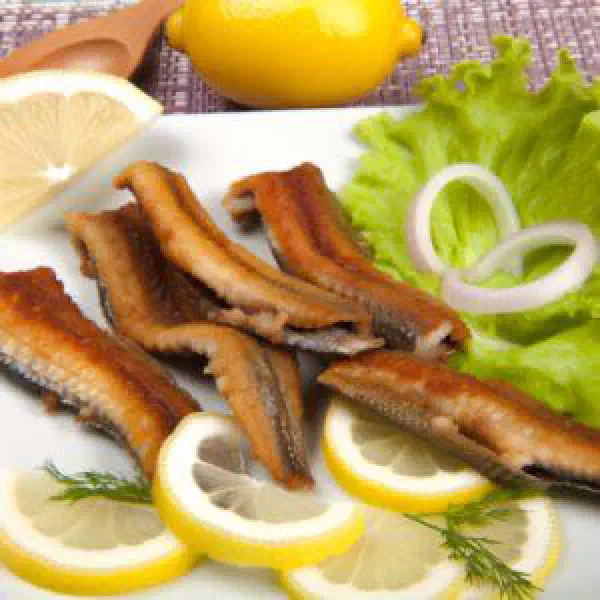
Meet Angerjapraad, Estonia’s celebrated roast eel, a dish that carries the salt of the Baltic coast in every bite. Rich, buttery fish meets golden onions and tender potatoes, brightened at the last moment with fresh dill and a squeeze of lemon. It is a festive plate with humble roots, the kind of food Estonian families bring out when there is something worth marking. Simple to cook, memorable to eat.
About Angerjapraad
Angerjapraad is not merely a meal but a small cultural event that embodies Estonian tradition. The eel is caught and prepared in many regions of the country, which underlines both the flavour and the strong sense of place behind the recipe. The combination of fresh fish and carefully chosen spices gives the dish its remarkable aroma. It is very much a celebration food, brought to the table on special occasions.
Ingredients (serves 1–2)
- 300 g fresh eel
- 500 g potatoes
- 1 onion
- 2 tablespoons butter
- 1 teaspoon caraway seeds
- 2 teaspoons salt
- 1 teaspoon pepper
- 1 teaspoon fresh dill tips
- 1 lemon, to serve
Shopping for the ingredients
To make Angerjapraad you will need fresh eel, an ingredient that is not stocked by every supermarket. Visit a local fish market or a trusted fishmonger to secure good-quality eel. When buying the vegetables, look at freshness and at what is genuinely in season. Using ripe, well-grown produce is the surest way to bring out the best flavour in the finished dish.
Preparing the dish
Preparation for Angerjapraad begins with cleaning the eel thoroughly. Remember that removing the skin and scaling the fish are essential steps. At the same time, peel the potatoes and cut them into even pieces so that they cook at the same rate. It is worth chopping the onion finely as well, so that it caramelises quickly and evenly in the pan.
Step-by-step instructions
- Clean the eel thoroughly and cut it into suitable pieces.
- Boil the potatoes and cook them to the consistency you prefer.
- Heat the butter in a frying pan and add the chopped onion, cooking until golden brown.
- Add the eel to the onion, season with salt, pepper and caraway, and fry on both sides.
- Add the cooked potatoes and combine everything gently but thoroughly.
- Garnish with fresh dill tips and serve with a squeeze of lemon juice.
Gluten-free / lactose-free version
Angerjapraad is naturally gluten-free and lactose-free, which makes it an ideal choice for anyone with those intolerances. When buying your ingredients, check that no hidden sources of gluten have crept in, spice blends and processed products in particular can carry traces. The butter can be swapped for a plant-based alternative such as olive oil or coconut oil to make the dish fully lactose-free.
Tips for vegans and vegetarians
Although Angerjapraad traditionally contains fish, there are creative routes to a vegan or vegetarian version. In place of eel, use smoked aubergine, which offers a comparable texture and a similar depth of flavour. Keep the spices and the onions exactly as they are so the aromatic backbone of the dish survives. Combine the aubergine with potatoes and pumpkin for a hearty plant-based plate, much in the spirit of Mulgipuder.
More tips and tricks
Another key consideration when cooking Angerjapraad is the choice of herbs. Feel free to experiment with parsley or other soft herbs to give the dish a personal signature. Let the eel rest for a few minutes after frying so the flavour has time to settle and deepen. If you have one, use a cast-iron pan, which distributes the heat evenly and delivers a far better sear.
Adapting the recipe to your taste
Make your Angerjapraad your own by adding different vegetables or side dishes. Serve it with a refreshing salad, a Kurgi Ja Tomatisalat adds welcome crunch and acidity. Peas or carrots also make a tasty addition and improve the play of colour on the plate. Take your own preferences into account and experiment until you land on the perfect balance.
Ingredient substitutions
If you cannot find eel, other fish such as pike-perch or salmon work beautifully with the same spicing. For a meatier option, chicken takes on the flavours of the dish very well too. Whichever route you choose, adjust the cooking times and the method accordingly so that the protein is cooked through without drying out.
Drink pairing ideas
A light white wine is the natural partner for Angerjapraad, supporting rather than overwhelming the flavour of the fish. A Sauvignon Blanc or a crisp Rivaner harmonises particularly well with the caraway and dill. If you prefer something alcohol-free, a sparkling apple or grape juice complements the dish nicely. Remember to match the serving temperature of the drink to the food to get the most from both.
Serving and presentation ideas
Presentation plays a decisive role when serving a dish like this. Arrange the Angerjapraad on a large plate and garnish it with fresh herbs and lemon wedges. Choose plates that show the dish off and draw attention to its colours and textures. A slice of dark Rukkileib alongside turns the plate into a proper Estonian spread that will impress your guests.
A bit of history
Angerjapraad carries deep cultural meaning in Estonia and is a symbol of the country’s connection to nature. The tradition of eel fishing is firmly rooted in the coastal regions, and many families guard their own small secrets, passed down from one generation to the next. Cooking this dish conveys a sense of community and celebration among people who take genuine pride in their culinary heritage. It is a high point of Estonian cuisine, uniting history and pleasure on a single plate.
More recipe ideas
Summary: Angerjapraad
Angerjapraad is a singular Estonian dish that captures the flavours of the region in one pan. With fresh eel, well-judged spices and a delicious side of potatoes, this recipe quickly becomes a highlight at any table. Angerjapraad offers an exquisite meeting of tradition and taste that is not to be missed.