National Dish Estonia: Eel (Recipe)
In this article
Discover Eel, a Baltic classic that has been served in Estonian kitchens for generations. Rich, tender fish meets bright lemon, sweet fried onion and a scattering of fresh dill, simple ingredients that let the sea do the talking. It takes barely half an hour in a single pan, yet it feels like a proper occasion. Bring a breath of the Baltic coast to your own table and treat your guests to something they will remember.
About Eel
The traditional Estonian dish Eel is a culinary speciality and a meaningful symbol of Estonian culture. It is cooked regularly in family kitchens and is known for its delicate flavours and its distinctive method of preparation. Making Eel calls for a little patience and a good pinch of passion, which is exactly why the recipe has been handed down from one generation to the next. With fresh fish and regional ingredients, Eel becomes a memorable taste experience.
Ingredients (serves 1–2)
- 300 g fresh eel
- 2 tablespoons olive oil
- 1 onion, finely chopped
- 2 cloves of garlic, crushed
- 1 lemon (juice and zest)
- 1 teaspoon fresh herbs (dill or parsley)
- Salt and pepper to taste
Shopping for the ingredients
When shopping for Eel, the quality of the produce matters more than anything else. Fresh eel is decisive for the flavour of the dish and is best bought straight from a fishmonger or another trusted supplier. Look out for fresh herbs and a good olive oil as well, since both intensify the aromas. Choosing the right lemon counts too, the juice and the zest are what give the finished dish its pleasant lift.
Preparing the dish
Preparation for Eel begins with cleaning the fish carefully. Remove the skin and cut the eel into evenly sized pieces. Next, get the onion and the garlic ready, as together they form the aromatic base of the dish. Preparing everything in advance keeps the cooking process smooth and gives the flavours the best chance to shine. The same unhurried approach pays off with any Estonian fish dish, from a simple Kalasupp to a festive platter.
Step-by-step instructions
- Heat the olive oil in a large frying pan over a medium heat.
- Add the chopped onion and fry until soft and golden brown.
- Stir in the crushed garlic and cook for a further 1–2 minutes.
- Add the pieces of eel and fry on all sides until golden.
- Pour the lemon juice over the fish and scatter over the zest, the fresh herbs, salt and pepper.
- Let everything simmer for a few minutes so the flavours mingle properly.
- Serve Eel hot, ideally with fresh bread or a crisp salad.
Gluten-free / lactose-free version
In its traditional form, Eel is naturally gluten-free and lactose-free, which makes it an excellent choice for anyone with an intolerance. Do keep an eye on the side dishes, though: choose gluten-free bread and check any salad dressings for hidden dairy. With those small adjustments the entire meal can be enjoyed without a second thought.
Tips for vegans and vegetarians
There are creative alternatives for vegans and vegetarians who want to cook this dish. Instead of eel, use a plant-based protein such as tofu or jackfruit. The method stays the same: fry the plant-based pieces in oil and season them generously with lemon and fresh herbs. The result is a meat-free plate that still captures the flavours of the Estonian coast.
More tips and tricks
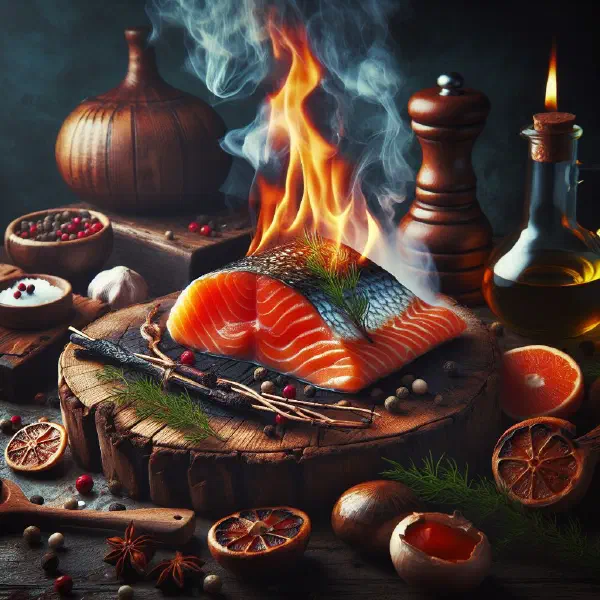
One of the best ways to refine Eel is to swap the olive oil for a little smoked oil, which adds a gentle, smoky depth. The cooking time can be adjusted as well, depending on whether you prefer the fish meltingly tender or with crisp edges.
Adapting the recipe to your taste
Eel is flexible enough to be tailored to almost any preference. If you like a bit of heat, add hot paprika or a chopped chilli. For a fruitier profile, fold in fresh tomatoes or a handful of olives towards the end of cooking. Experimenting in this way lets you shape the dish so it matches your own palate exactly.
Ingredient substitutions
If some of the listed ingredients are not to hand, there are plenty of workable alternatives. Pollock or barramundi stand in for eel very nicely, as does hot-smoked fish of the kind used in Suitsukala Salat. For a vegan version, braised cauliflower makes a satisfying substitute. As for the herbs, feel free to swap in fresh thyme or basil depending on the season and what is available.
Drink pairing ideas
A dish as full-flavoured as Eel pairs happily with a number of drinks. A light, fruity white wine such as a Sauvignon Blanc complements the fish beautifully. A cold beer is an equally good choice, cutting neatly through the richness. For an alcohol-free option, fresh lemonade or a lightly flavoured sparkling water refreshes the palate between bites.
Serving and presentation ideas
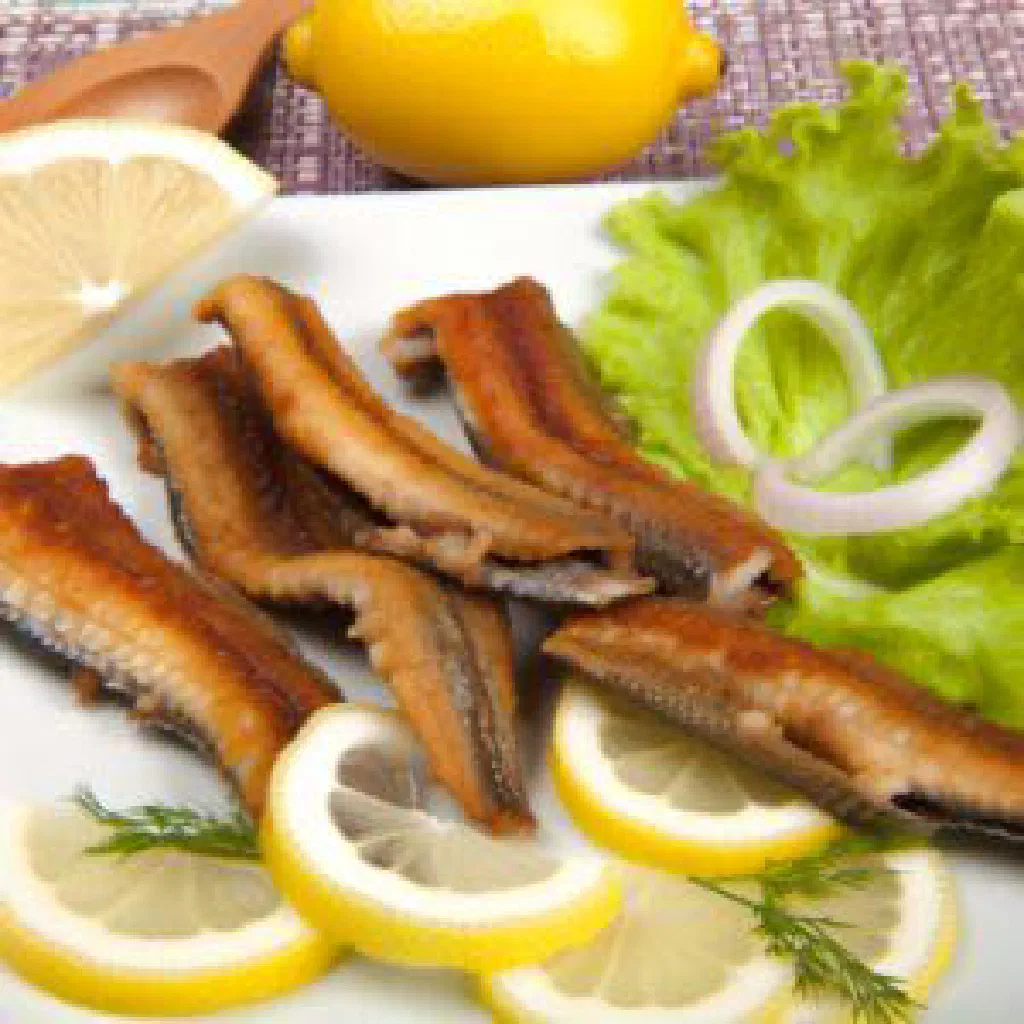
Presentation matters with every dish, and Eel is no exception. Serve the fish on a flat white plate so the colours stand out. A few sprigs of fresh herbs and a slice of lemon give it an elegant finish. Simple sides such as a mixed salad, quinoa or a thick slice of Rukkileib round out the plate without competing for attention.
A bit of history
Cooking eel has a long tradition in Estonia and is deeply rooted in the country’s food culture. Over the centuries the fish was prepared regularly in coastal households, where fresh catch was plentiful and smoking was a way of life. The dish has evolved steadily, combining time-tested techniques with more modern flavours, much like the roasted version known as Angerjapraad. Today Eel remains a symbol of the close bond between Estonian cuisine and the natural world.
More recipe ideas
Summary: Eel
In short, the traditional Estonian dish Eel is a genuine pleasure, convincing in both flavour and preparation. With good ingredients and a little care, it becomes a culinary highlight that appeals to young and old alike. Whether shared among friends or served as a festive centrepiece, Eel always manages to bring people together and put a piece of Estonian culture on the table. Give it a go and taste the flavours of the Baltic for yourself.