National Dish Estonia: Kalasupp (Recipe)
In this article
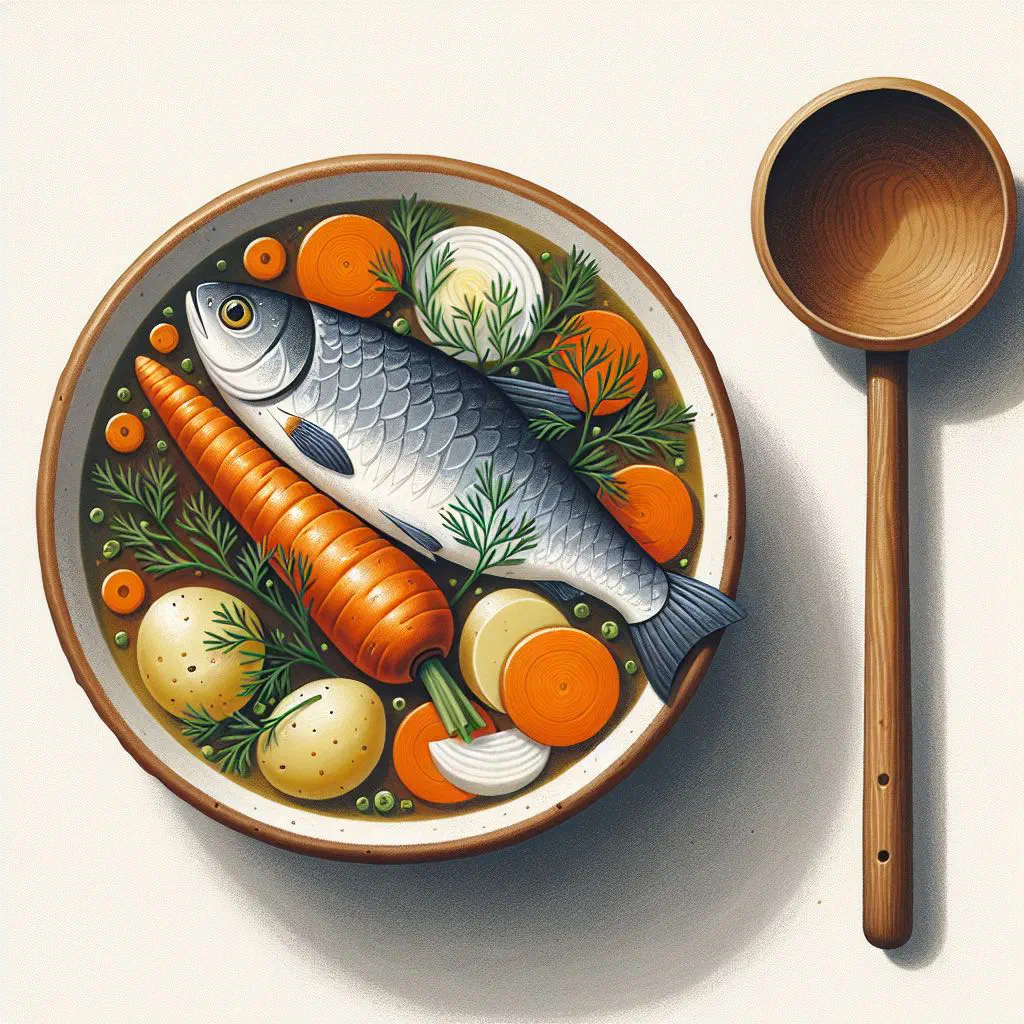
Discover Kalasupp, the creamy fish soup that Estonians have been ladling into bowls for generations. Built on fresh catch from the Baltic Sea, earthy root vegetables and a shower of dill, it is the kind of soup that makes a grey winter afternoon feel a great deal kinder. Simple, seasonal and quietly elegant, it brings a genuine taste of Estonian home cooking to your table.
About Kalasupp
Kalasupp, the traditional Estonian fish soup, is far more than a hearty supper. It is a small piece of the country’s food culture in a bowl. The soup marries the flavours of the Baltic with fresh fish, crisp vegetables and a carefully judged handful of seasonings. It is served most often through the cold months, bringing warmth and a sense of comfort to the table. Making the most of seasonal produce, it is a dish that carries a real slice of Estonian identity.
Ingredients (serves 1–2)
- 300g fresh fish (coley or trout, for example)
- 2 potatoes, diced
- 1 carrot, sliced
- 1 small onion, diced
- 1 litre fish or vegetable stock
- 2 tablespoons cream (or a plant-based alternative)
- Fresh herbs (dill or parsley)
- Salt and pepper to taste
Shopping for the ingredients
When shopping for kalasupp, freshness matters above all else. Head to a local market or a good fishmonger to get the freshest fish you can find. Vegetables such as potatoes and carrots should be firm and free of bruising. Where possible, choose organic produce. It delivers the best flavour and is kinder to the environment. The same care with sourcing pays off across Estonian cuisine, from soups to smoked fish.
Preparing the dish
Before you begin cooking kalasupp, wash and prepare all the ingredients thoroughly. Peel the potatoes and carrots, then dice the potatoes and slice the carrots. The onion should be diced too. The fresh fish can be skinned according to preference and cut into bite-sized pieces; it is well worth cleaning it carefully and removing any bones at this stage. A tidy work surface makes the whole process far more relaxed.
Step-by-step instructions
- Heat a large pan over a medium heat and add the onion. Sauté until translucent.
- Add the carrots and potatoes and sauté for a few minutes.
- Pour in the stock and bring the mixture to the boil.
- Reduce the heat and let the soup simmer for around 15 minutes, until the vegetables are tender.
- Add the pieces of fish and cook for a further 5 minutes, until the fish is just done.
- Stir in the cream, season with salt and pepper, and garnish with fresh herbs.
Gluten-free / lactose-free version
Kalasupp is easily made gluten-free and lactose-free. Simply use a gluten-free stock and replace the cream with a plant-based alternative such as almond or coconut milk. These swaps alter the flavour only slightly and make the soup accessible to every diet. It is worth experimenting with different plant-based options to find the consistency and taste you like best.
Tips for vegans and vegetarians
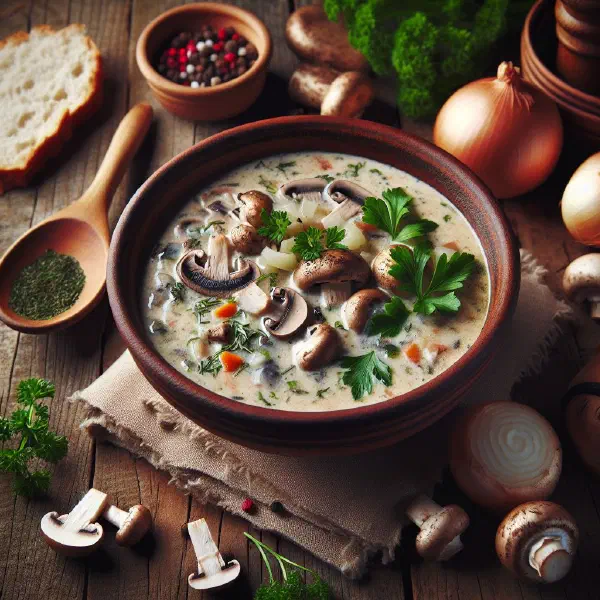
For vegan and vegetarian versions of kalasupp, use vegetables such as courgette, peppers or mushrooms in place of the fish. To echo the characteristic taste of the sea, add particular seasonings or seaweed such as nori. A vegetable-based stock makes an excellent foundation for the soup and can be enriched with generous, aromatic spicing. The result is a delicious, nourishing dish that manages perfectly well without animal products, much like a bowl of Koorene Seenesupp.
More tips and tricks
To make kalasupp even more flavourful, add bay leaves or peppercorns while it cooks so they release their full aroma into the broth. A squeeze of lemon juice just before serving lends the soup a refreshing lift. Experiment with different fresh herbs to fine-tune the flavour entirely to your own liking.
Adapting the recipe to your taste
Everyone has their own preferences, and kalasupp adapts readily. Add extra vegetables such as celery or peas to increase the range of nutrients. Depending on taste, seasonings such as curry powder or paprika can give the soup a more exotic note. That flexibility means anyone can create their own favourite version of this Estonian classic.
Ingredient substitutions
If you do not have every ingredient for kalasupp to hand, there are plenty of alternatives. Fresh fish can be replaced with tinned fish, which makes preparation quicker. Fresh herbs can likewise give way to dried seasonings, which still deliver good flavour. The important thing is to suit your own preferences and stay creative, a smoked fillet, as used in Suitsukala Salat, works beautifully here too.
Drink pairing ideas
Plenty of drinks pair well with a hearty bowl of kalasupp. A lightly chilled white wine such as a Sauvignon Blanc harmonises nicely with the flavours of the fish and the broth. A cold pilsner or a fruity cider works equally well. For non-alcoholic options, sparkling mineral water or a refreshing smoothie made from seasonal fruit is a good choice.
Serving and presentation ideas
Presentation plays a large part in serving kalasupp. Use decorative bowls or deep plates to bring the soup to the table. Fresh herbs should not only be stirred through the soup but scattered over the top as a garnish. A few drops of olive oil or a squeeze of lemon juice add the finishing touch and make the dish look every bit as appetising as it tastes. A slice of Rukkileib alongside completes the picture.
A bit of history
Kalasupp has a long tradition in Estonian cooking and represents a genuine part of the country’s cultural identity. In earlier times the soup was often made during the fishing season, to make the most of each catch. It is a textbook example of cooking with local, seasonal ingredients. Its popularity has never waned, and it is still served in many Estonian households today, especially on holidays and other special occasions.
More recipe ideas
Summary: Kalasupp
Kalasupp is not simply a straightforward dish but a real piece of Estonian culture and tradition. With fresh ingredients and a hearty method, this fish soup is ideal for cosy evenings. Its adaptability makes it a family-friendly recipe that suits fish eaters and vegetarians alike. Give kalasupp a try and enjoy the range of flavours and the rustic comfort it promises.