National Dish Estonia: Karpkala Roog (Recipe)
In this article
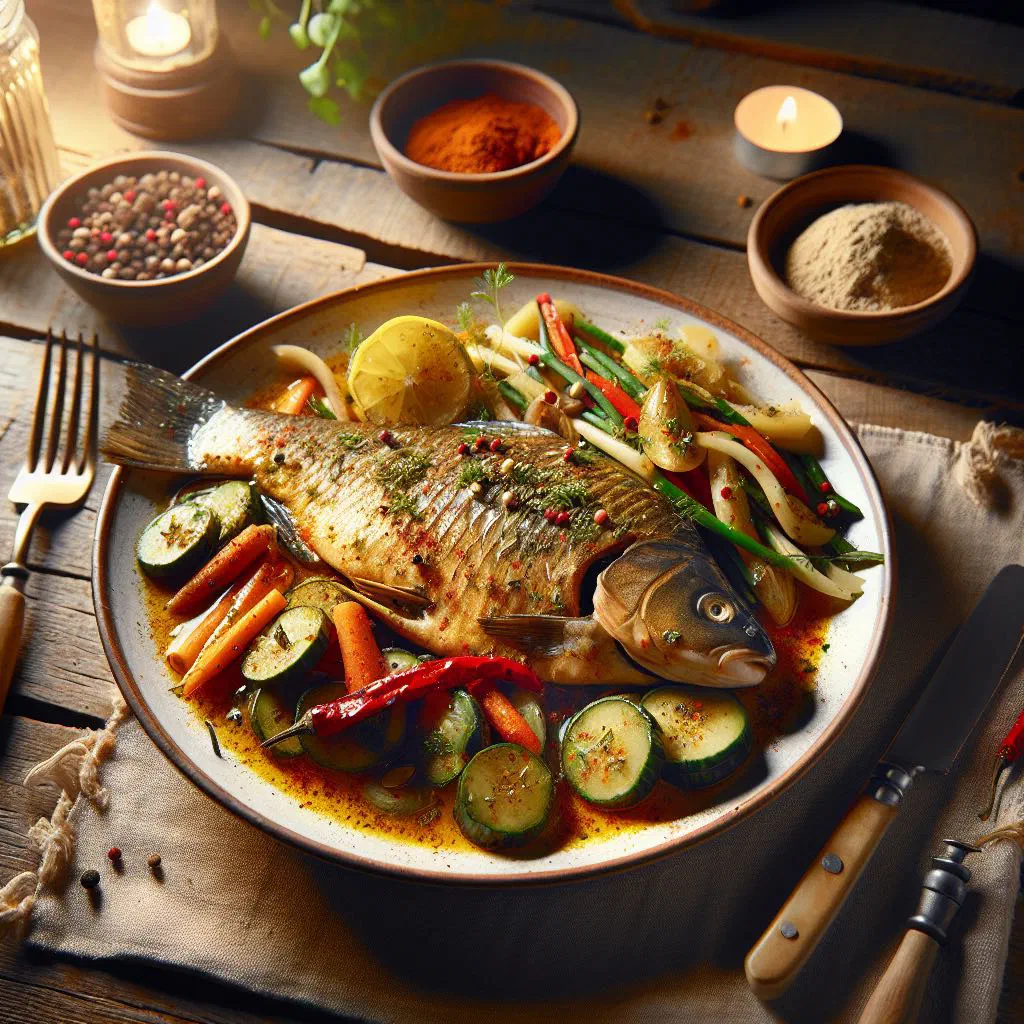
Discover Karpkala Roog, a hearty freshwater fish dish that sits right at the heart of Estonian home cooking. Fresh carp meets golden potatoes, sweet onion and a warm scattering of spices, all cooked gently together in a single pan. It is straightforward enough for a relaxed lunch yet handsome enough for a celebration dinner, and it brings a genuine piece of Estonian culture straight to your own kitchen.
About Karpkala Roog
Karpkala Roog is a true culinary highlight of Estonian cooking. The dish brings together the clean freshness of freshly caught fish with the earthy, satisfying flavour of potatoes and a handful of aromatic spices. It is simple to prepare and one of the nicest ways to taste a piece of Estonia at home. Ideal for a hearty lunch or a festive dinner, it is the sort of one-pan cooking that quietly wins over every guest at the table.
Ingredients (serves 1–2)
- 300 g fresh carp or another white fish
- 400 g potatoes
- 1 onion
- 2 cloves of garlic
- 1 tablespoon oil
- 1 teaspoon salt
- 1/2 teaspoon pepper
- 1 teaspoon smoked paprika
- Fresh herbs (parsley or dill), to garnish
Shopping for the ingredients
When shopping for karpkala roog, look above all for freshness and good quality. A local fishmonger or a well-stocked supermarket counter is the safest bet for making sure the fish is properly fresh. The potatoes matter just as much to the finished flavour, so organic varieties are a fine choice here. Round things off with fresh herbs, which lift the whole dish and give it a lively, green note.
Preparing the dish
Begin by cleaning the fish and cutting it into bite-sized pieces. Peel the potatoes and dice them evenly so they cook through at the same rate. The onion and garlic should be finely chopped. This preparation ensures that every ingredient cooks evenly and that the flavours have a chance to mingle properly in the pan.
Step-by-step instructions
- Heat the oil in a large frying pan.
- Add the onion and garlic and fry until translucent.
- Tip in the potatoes and fry for around 10 minutes.
- Add the fish and season everything with salt, pepper and paprika.
- Cover the pan and let the dish cook over low heat for about 20 minutes.
- Garnish with fresh herbs just before serving.
Gluten-free / lactose-free version
Karpkala roog lends itself beautifully to a gluten-free and lactose-free diet. All the main ingredients are naturally free of both. Do check the labels on your spices and oils, however, to make sure no hidden allergens have crept in through blends or additives. With that small precaution, anyone with particular dietary needs can enjoy this dish without a second thought.
Tips for vegans and vegetarians
Although karpkala roog is built around fish, it adapts easily into a vegan or vegetarian version. Use tofu or seitan in place of the fish: both offer a similar texture and take on the spices wonderfully. Add seasonal vegetables to deepen the flavour further and give the pan more colour. Served this way, vegans and vegetarians can enjoy the same comforting side of Estonian cooking as everyone else.
More tips and tricks
To make karpkala roog even more flavourful, try adding a few extra spices. Caraway or thyme give the dish an earthy, distinctly northern character. It is also an excellent way to use up odds and ends of vegetables from the fridge. Remember that ingredient quality has an outsized effect on the finished result, so always reach for the freshest options you can find.
Adapting the recipe to your taste
There is plenty of room to make karpkala roog your own. If you like a bit of heat, scatter in some chilli flakes or serve the dish with a spicy sauce alongside. For a richer, more velvety result, stir in a splash of cream or plant-based milk towards the end of cooking. That is how every meal becomes something a little special.
Ingredient substitutions
If you do not have the exact ingredients to hand, karpkala roog is forgiving. Instead of carp, use any fish you enjoy, such as salmon or trout, much the same approach that works so well in Kuumsuitsu Lohe. For a vegetarian version, swap fish stock for vegetable stock to keep the depth of flavour intact. Substitutions like these keep the dish flexible, whatever happens to be in the cupboard.
Drink pairing ideas
A hearty dish like karpkala roog pairs happily with a range of drinks. A cold, light beer or a crisp white wine sits beautifully alongside the fish. For an alcohol-free option, fresh fruit juices or sparkling water with a squeeze of lemon do the job nicely. Either way, the drink rounds out the meal and provides a refreshing contrast to the warm spices.
Serving and presentation ideas
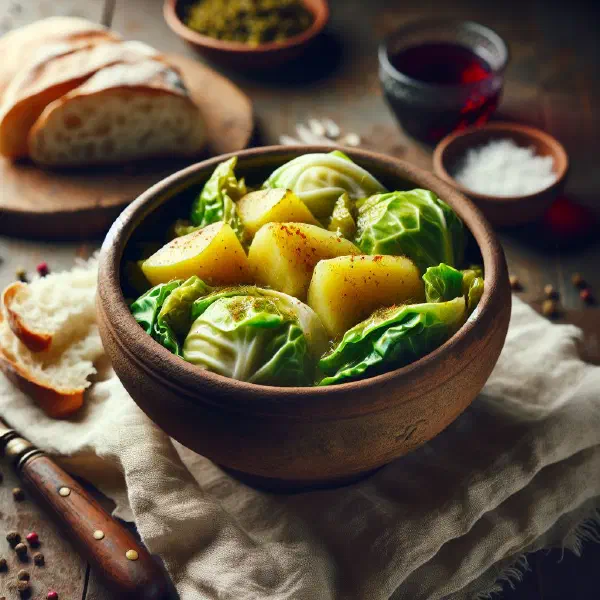
Thoughtful presentation makes karpkala roog even more inviting. Serve it on a rustic wooden board or in a generous shallow bowl. Garnish with fresh herbs and a squeeze of lemon for a bright finishing touch. Give the accompaniments their moment too: colourful vegetables or a few slices of Rukkileib complete the picture perfectly.
A bit of history
Karpkala roog has its origins in traditional Estonian cooking, a cuisine shaped by the land and by whatever the local waters and forests happened to provide. The pairing of fish and potatoes reflects the simple but nourishing fare that sustained many generations. Fishing and the preparation of the catch remain a meaningful part of the culture to this day, much as they do in classics such as Kalasupp. Cooking this dish gives you more than a distinctive flavour but a taste of Estonian cuisine and its heritage.
More recipe ideas
Summary: Karpkala Roog
Karpkala roog is a simple yet deeply satisfying dish that captures the flavours of the Estonian countryside. With fresh fish, potatoes and warming spices, it delivers both a memorable plateful and a genuine glimpse of Estonian food culture. The recipe adapts readily to your own taste and always delivers. Give it a try and bring a piece of Estonia to your table.