National Dish Estonia: Koduleib (Recipe)
In this article
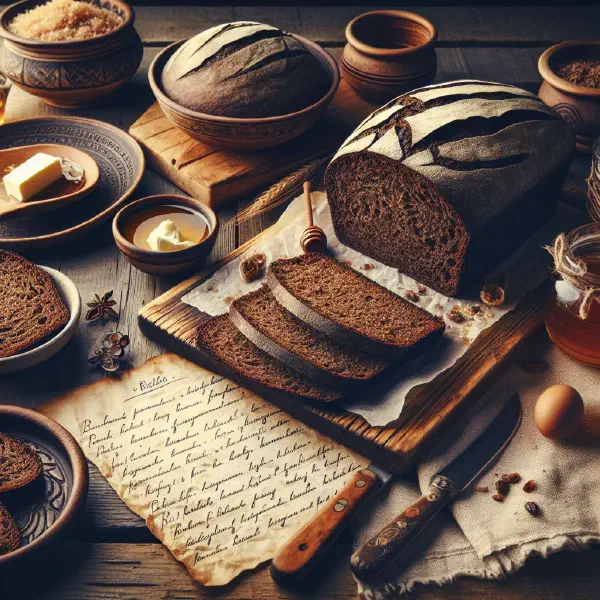
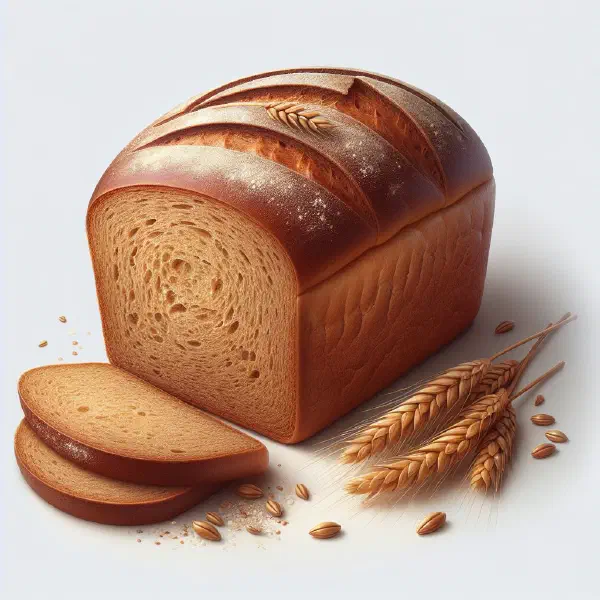
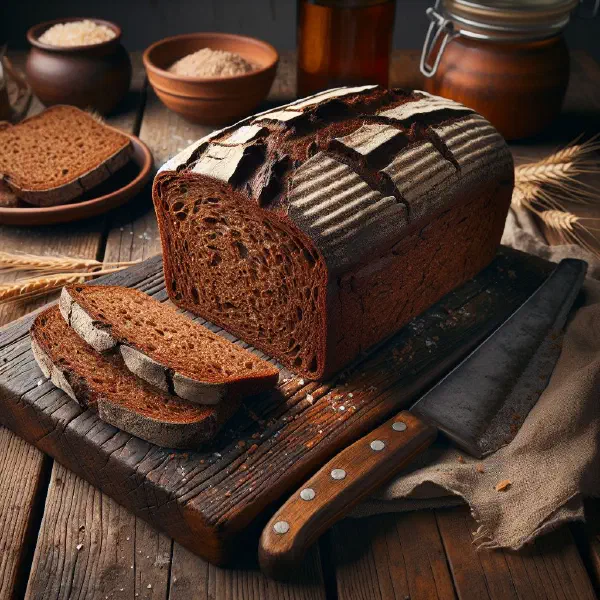
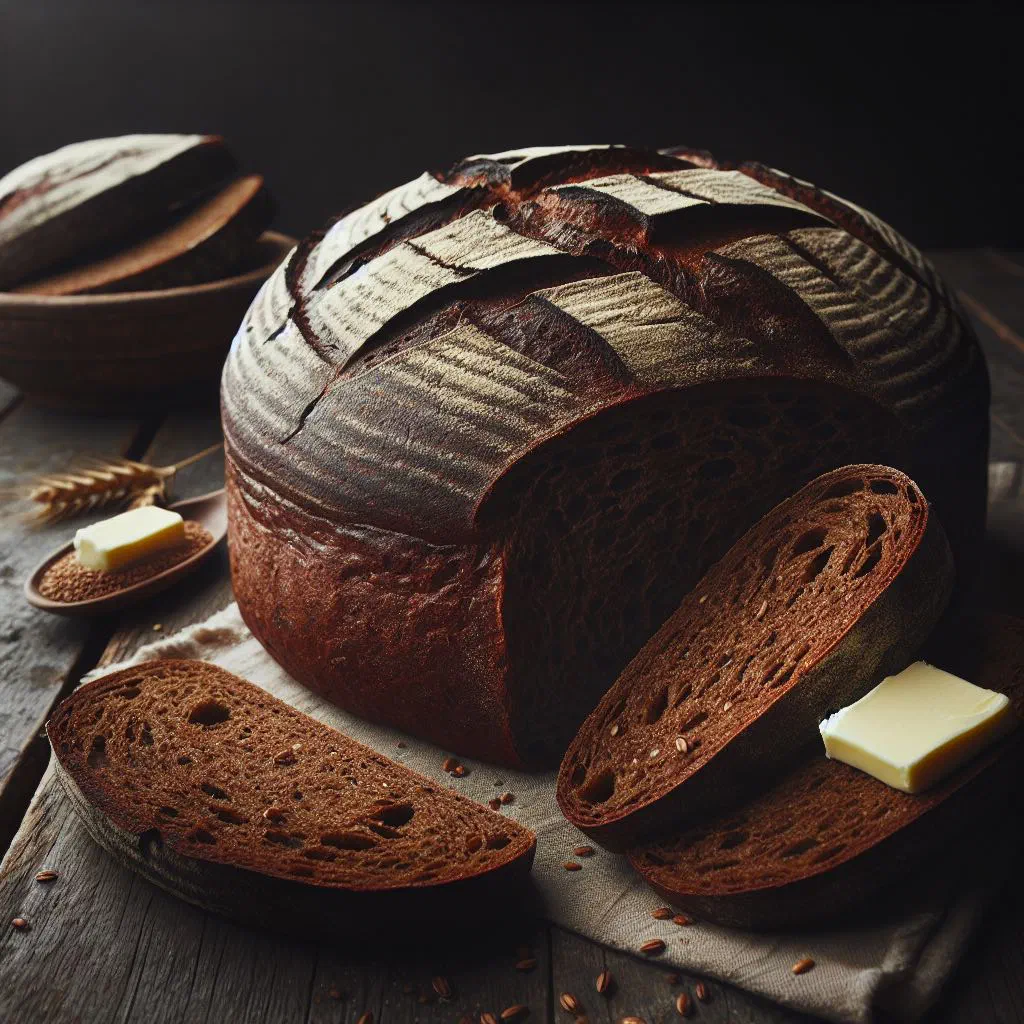
Meet Koduleib, the dark, hearty rye loaf that sits at the very heart of the Estonian table. Its name simply means “home bread”, and that is exactly what it is: a loaf baked in ordinary kitchens across the country, with a crisp crust and a moist, close-grained crumb that keeps for days. Made from little more than rye flour, water, salt and yeast, it is proof that the simplest recipes are often the most rewarding. Bake one and your kitchen will smell like an Estonian farmhouse.
About Koduleib
Koduleib, the heartiest of Estonia’s rye breads, is not only a staple food but a symbol of Estonian hospitality. It is traditionally baked in almost every household and is firmly rooted in the country’s culture. The crisp crust and the moist, dense texture make every slice a small event, and the loaf partners happily with an enormous range of dishes. The bread reflects the simplicity and quality of Estonian farming, since the ingredients are usually fresh and locally grown.
Ingredients (serves 1–2)
- 250 g rye flour
- 200 ml lukewarm water
- 1 tsp salt
- 1 tsp sugar
- 1/2 cube fresh yeast
- Optional: caraway seeds or bread spice for extra flavour
Shopping for the ingredients
When shopping for koduleib, make a point of buying good-quality rye flour, as it is decisive for both the texture and the flavour of the loaf. Visit local markets or a health-food shop to source fresh, natural ingredients. The yeast should be fresh and active too, check the use-by date carefully before you buy. If you would like to work with caraway or other spices, choose whole seeds that you can grind yourself, so you get the full aroma.
Preparing the dish
Preparing koduleib is straightforward and takes only a handful of steps. First dissolve the yeast in the lukewarm water and let it rest for a few minutes so it becomes active. In the meantime, combine the rye flour with the salt and sugar in a large bowl. These steps are decisive for the right consistency of the loaf and its excellent flavour. Do not forget to prepare your tin by greasing it lightly or dusting it with flour.
Step-by-step instructions
- Dissolve the yeast in the lukewarm water and leave it to rest for 5–10 minutes.
- Combine the rye flour with the salt and sugar in a bowl.
- Add the dissolved yeast to the flour and knead thoroughly until you have a smooth, even dough.
- Leave the dough to prove in a warm place for 1–2 hours, until well risen.
- Knead the dough briefly once more, then transfer it to a greased loaf tin.
- Bake the bread at 200°C for around 30–40 minutes, until it has a golden-brown colour.
- Turn the loaf out of the tin and leave it to cool completely on a wire rack.
Gluten-free / lactose-free version
Making koduleib without gluten is a challenge, but there are alternatives you can turn to. Instead of rye flour, use a gluten-free flour made from buckwheat, or a blend of rice flour and tapioca starch. Be sure to add a suitable binder such as xanthan gum or ground linseed to improve the texture. No special adjustments are needed for a lactose-free version, since the recipe is naturally dairy-free.
Tips for vegans and vegetarians
For vegans, koduleib is the perfect loaf, as it contains no animal products at all. To deepen the aroma, work in fresh herbs such as thyme or rosemary. The bread also makes an excellent side for vegetable dishes and a fine base for all kinds of spreads. Try it with a spoonful of Hapukoor and chopped dill. A simple olive-oil dip suits this traditional loaf beautifully as well.
More tips and tricks
When you bake koduleib, remember to spritz the loaf with a little water before it goes into the oven to encourage a crunchier crust. Another useful trick is to place a dish of water on the oven floor, so the steam helps the bread rise properly. To keep the loaf fresh, wrap it in a clean cloth and store it somewhere cool. Treated that way it stays fresh and enjoyable for several days, and any stale slices can still be turned into a comforting Leivasupp.
Adapting the recipe to your taste
One of the great advantages of koduleib is how easily you can adapt it to your own preferences. Would you like it a touch sweeter? Add a little honey or maple syrup to the dough. For a more savoury character, work in a splash of dark beer or scatter in seeds and nuts. That way every loaf becomes an individual creation and stays interesting, however often you bake it.
Ingredient substitutions
If you do not have every ingredient for koduleib to hand, there are several alternatives worth considering. Instead of rye flour you can use spelt flour or a gluten-free blend, though the baking time may shift slightly. When fresh yeast is unavailable, dried yeast works perfectly well; simply adjust the quantity according to the packet instructions. This recipe allows plenty of flexibility and room for creativity at the oven.
Drink pairing ideas
Pairing koduleib with the right drink can lift the whole experience considerably. A fruity red wine or a full-bodied Estonian beer harmonises splendidly with the robust character of the bread. For an alcohol-free option, a strong ginger tea or a glass of freshly pressed apple juice is a good choice.
Serving and presentation ideas
To present koduleib attractively, cut the loaf into slices and arrange them on a rustic wooden board. Combine it with a selection of spreads such as herb butter or hummus, along with freshly cut vegetables. It is also the classic base for Kiluvõileib, the Baltic sprat sandwich. A simple table setting with fresh herbs or a small pot of flowers completes the picture and appeals to your guests.
A bit of history
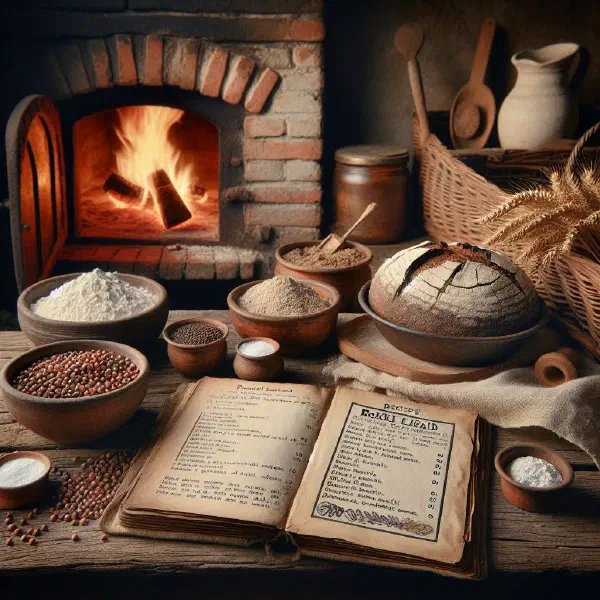
Koduleib has a long history in Estonia, reaching back to the earliest days of farming in the country. Baking rye bread was central to rural life for generations, and closely related loaves such as Rukkileib grew out of the same tradition. In many families the recipe is still passed from parents to children, which underlines the cultural weight of the bread within Estonian cuisine. It is not merely a food, but part of the national identity.
More recipe ideas
Summary: Koduleib
Koduleib is more than just a bread; it is a piece of Estonian culture and tradition. With this recipe you can bring a little of Estonia straight into your own kitchen. The loaf adapts readily to your taste and goes with an enormous range of dishes. Give it a try and experience the warm hospitality of Estonia through the deep, satisfying flavour of koduleib.