National Dish Estonia: Kohupiimakreem (Recipe)
In this article
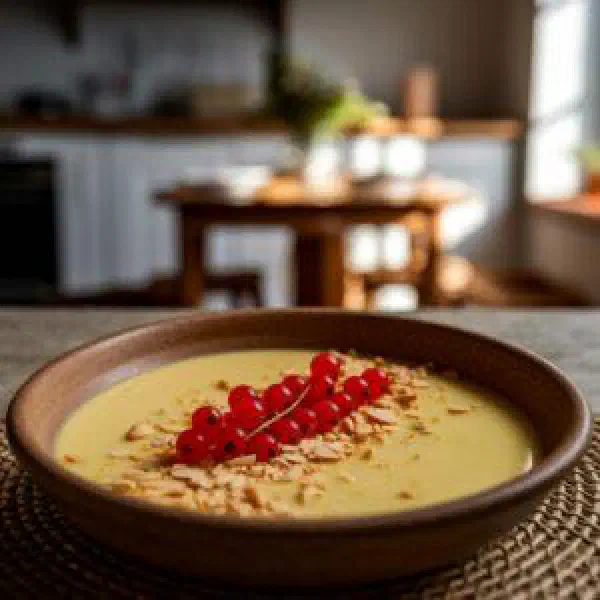
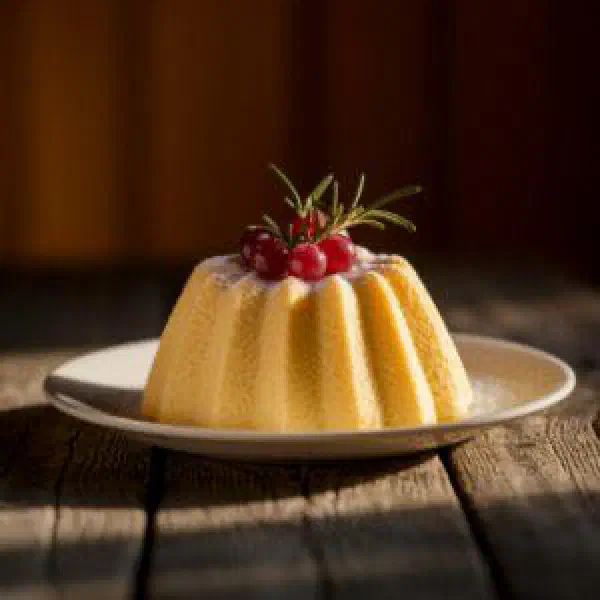
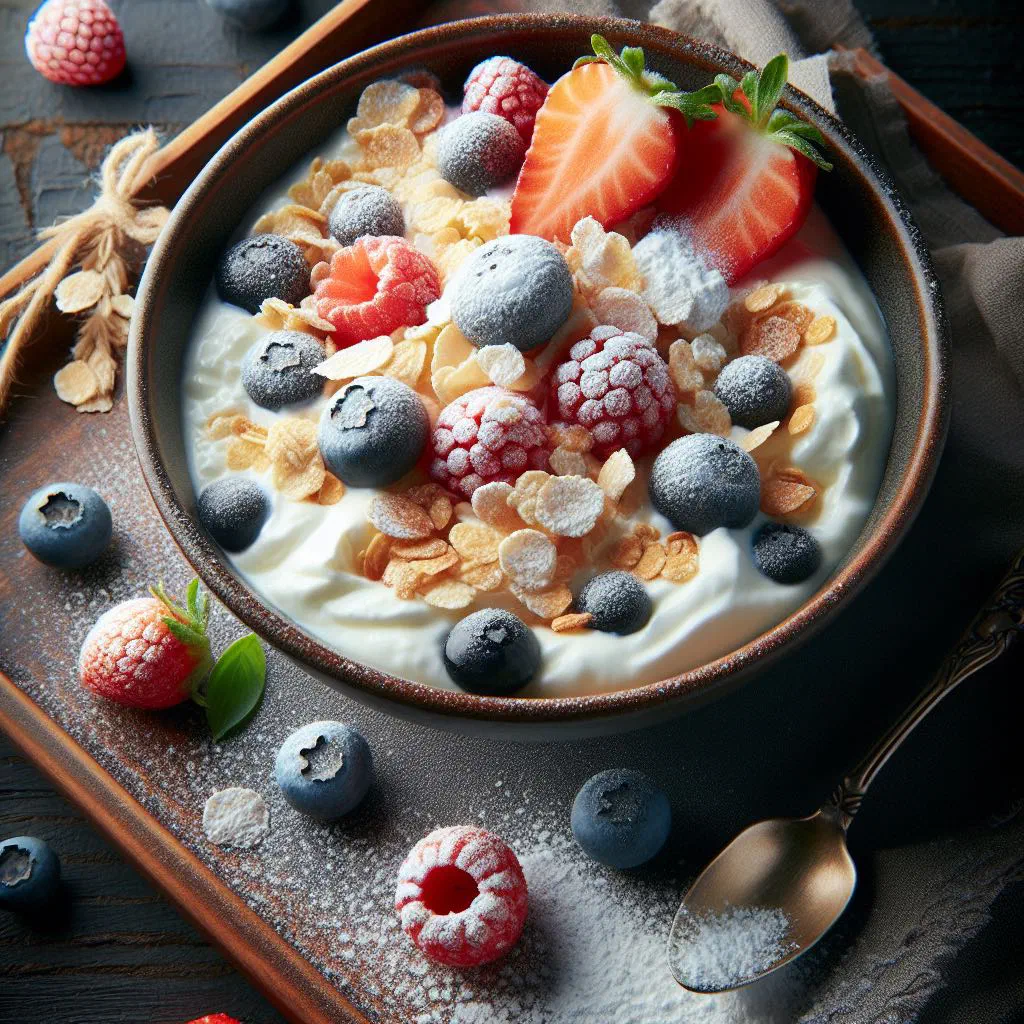
Meet Kohupiimakreem, the pillowy quark cream that Estonians reach for whenever something sweet is called for. Built on nothing more than fresh curd cheese, a little sugar and softly whipped cream, it comes together in minutes yet tastes like a proper celebration pudding. Crown it with berries from the garden and you have a dessert that feels at home on a summer table and at a midwinter feast alike.
About Kohupiimakreem
Kohupiimakreem is a traditional Estonian dessert known for its creamy texture and gentle sweetness. Its foundation is kohupiim, a mildly soured curd cheese that is a staple of every Estonian kitchen. The pudding is served on special occasions, yet it is simple enough to be an everyday treat as well. Garnished with fresh fruit or berries, kohupiimakreem wins people over through its plainness and its lovely, rounded flavour in equal measure.
Ingredients (serves 1–2)
- 200 g kohupiim (quark or curd cheese)
- 2 tablespoons sugar or honey
- 1 teaspoon vanilla extract
- 200 ml whipping cream
- Fresh fruit or berries of your choice
Shopping for the ingredients
Kohupiim is the heart of this dessert, so it pays to buy fresh curd cheese from a shop or market you trust. Sugar or honey can be adjusted to personal taste, but do keep an eye on how sweet your chosen fruit is so the finished dish stays balanced. Do not forget to buy the whipping cream fresh too. It makes all the difference to both texture and flavour.
Preparing the dish
Getting kohupiimakreem ready is quick and refreshingly straightforward. Set out all your ingredients first so the process runs smoothly from start to finish. Weigh out the quantities you need, then wash the fruit and cut it into small pieces if required. With a little preparation the dessert practically makes itself, and the result tastes all the better for it.
Step-by-step instructions
- Put the kohupiim, sugar or honey and vanilla extract into a bowl and mix thoroughly.
- In a separate bowl, whip the cream to stiff peaks.
- Fold the whipped cream gently into the quark mixture until you have a smooth, even cream.
- Spoon the finished kohupiimakreem into bowls and garnish with fresh fruit or berries as you like.
Gluten-free / lactose-free version
Kohupiimakreem is naturally gluten-free, which makes it a safe choice for anyone with a gluten intolerance. To make it lactose-free as well, simply use lactose-free quark and lactose-free whipping cream. The flavour and the creamy consistency survive the swap intact, so nothing is lost. That makes the dessert an easy one to serve to a large group with mixed dietary needs.
Tips for vegans and vegetarians
Kohupiimakreem is a delicious pudding that adapts readily to a vegan diet. In place of kohupiim, use a plant-based quark made from nuts or soya. The cream can be replaced with alternatives such as coconut or soya whipping cream to keep the whole thing vegan-friendly. With these adjustments, vegans can enjoy this Estonian classic and appreciate its flavours just as much as anyone else.
More tips and tricks
For the best results, handle each ingredient with care. Be careful not to over-whip the cream, or it will lose the airy lightness that gives the pudding its character. Vary the recipe by adding flavourings such as cinnamon or lemon zest for a fresh twist. Serving it in glasses rather than bowls also lifts the presentation considerably, the same trick works beautifully for a Kamavaht.
Adapting the recipe to your taste
When you make kohupiimakreem you are free to shape the recipe around your own preferences. Adjust the sweetness with different sweeteners if neither sugar nor honey suits you. Adding flavours such as chocolate or carob is another easy way to broaden the range. Experiment with the fruit and berries you fold through or scatter on top and you will keep discovering new combinations.
Ingredient substitutions
You can be creative with the ingredients too, choosing alternatives that suit what you have to hand. If kohupiim is hard to find, a mixture of quark and yoghurt does the job nicely. The whipped cream can also be replaced with yoghurt, which lends the whole thing a lighter, more refreshing note, a trick borrowed from Hapukoor. Just make sure any substitute has a similar fat content so the texture of the dessert does not suffer.
Drink pairing ideas
Plenty of drinks work well alongside kohupiimakreem and set the dessert off nicely. A fresh fruit tea or a fruity cocktail are excellent companions. A glass of prosecco heightens the sweet notes and lends the meal a festive air.
Serving and presentation ideas
How you present your kohupiimakreem makes a real difference to the overall impression. Serve it in pretty glasses or bowls and garnish with fresh fruit or edible flowers. A decorative puff pastry base underneath adds welcome texture and flavour, much as it does in a Rabarberikook. Thoughtful plating makes the dessert look even more appealing and turns it into a genuine centrepiece.
A bit of history
Kohupiimakreem has a long tradition in Estonia and is often served at festive occasions to please guests. The method goes back to old Estonian recipes handed down from one generation to the next. Kohupiim, the main ingredient, is both tasty and nourishing, and it reflects the dairy farming that shaped the country’s countryside. That blend of tradition and pure enjoyment makes the dish an important part of Estonian cuisine.
More recipe ideas
Summary: Kohupiimakreem
Kohupiimakreem is far more than a pudding; it is a piece of Estonian culture built from simple but wonderful ingredients. Its creamy texture and the ease with which it can be personalised make it a versatile choice for any occasion. Kohupiimakreem is guaranteed to put a smile on the faces around your table. Let Estonian cooking inspire you and bring this lovely dessert to your own kitchen.