National Dish Estonia: Mannavaht (Recipe)
In this article
Meet Mannavaht, the airy semolina pudding that Estonians have been spooning up for generations. Milk, fine semolina and a whisper of vanilla are cooked into something soft and comforting, then crowned with a handful of bright summer berries and a cloud of cream. It is the kind of dessert that asks almost nothing of you and gives back a great deal, simple, seasonal and quietly elegant.
About Mannavaht
Mannavaht is a traditional Estonian dessert that is as delicious as it is straightforward to make. This creamy blend of semolina pudding, fresh berries and cream brings the taste of Estonia straight to your table. Mannavaht is a genuine treat. The pairing of sweet semolina with fruity freshness makes it a highlight of any meal.
Ingredients (serves 1–2)
- 500 ml milk
- 50 g semolina
- 2 tablespoons sugar
- 1 teaspoon vanilla sugar
- A pinch of salt
- Fresh berries (raspberries, strawberries or blueberries)
- Whipped cream, to garnish
Shopping for the ingredients
Mannavaht calls for nothing more than simple, easily available ingredients. The milk can be picked up in any grocery shop and swapped for a plant-based alternative if you prefer. Semolina, which forms the backbone of the dessert, is a standard item on most supermarket shelves. Fresh berries vary with the season, so it is worth choosing local fruit to get the very best flavour.
Preparing the dish
To make a perfect Mannavaht, it helps to work through the ingredients in the right order. Begin with the milk, bringing it to the boil in a saucepan. While it heats, measure out the semolina and the sugar so they are ready to go in. Keep an eye on the pan so the milk does not boil over, a gentle, watchful heat is what gives the finished dessert its creamy texture.
Step-by-step instructions
- Bring 500 ml of milk to the boil in a saucepan.
- Add the semolina while stirring constantly so no lumps form.
- Stir in the sugar, vanilla sugar and a pinch of salt, and keep stirring until the mixture thickens.
- Pour the semolina pudding into bowls and leave it to cool.
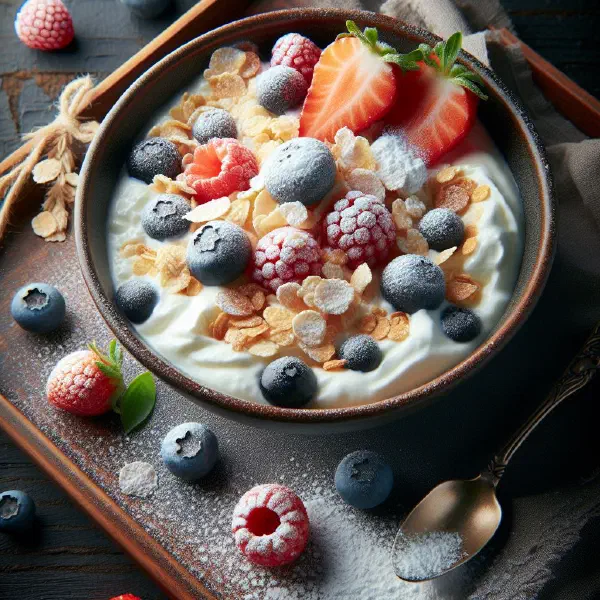
- Serve the Mannavaht with fresh berries and a generous spoonful of whipped cream.
Gluten-free / lactose-free version
For a gluten-free Mannavaht, use gluten-free semolina or cornflour in place of wheat semolina. Both give a similar consistency and taste every bit as good. To make the dessert lactose-free, replace the milk with lactose-free milk or a plant-based milk such as almond or oat. The result stays every bit as delicious while suiting a much wider range of diets.
Tips for vegans and vegetarians
Vegans and vegetarians can enjoy Mannavaht too, simply by choosing the right ingredients. Use a plant-based milk such as coconut or almond instead of dairy, and swap the cream for a vegan whipping cream. Semolina itself is naturally plant-based, so no further adjustments are needed. Organic berries round off the vegan version nicely, the same approach works beautifully for a bowl of Kohupiimakreem.
More tips and tricks
One of the best things about Mannavaht is how adaptable it is. Experiment with different fruits, or with flavourings such as cinnamon or cocoa powder for a distinctive twist. For an even creamier result, fold a spoonful of yoghurt through the mixture before pouring it into the bowls. Toasted nuts or oats scattered on top add welcome crunch, giving the dessert both extra flavour and a more interesting texture.
Adapting the recipe to your taste
The Mannavaht recipe takes happily to personal tweaks. Vary the sweetness by adding more or less sugar, or reach for an alternative sweetener altogether. Chocolate lovers might stir a spoonful of cocoa powder into the mixture. You can also combine several kinds of berry to create a colourful, aromatic dessert that looks as appealing as it tastes.
Ingredient substitutions
If you do not have every ingredient to hand, there are plenty of workarounds. Water or fruit juice can stand in for milk and will give the dessert a completely different character. Honey or agave syrup work well for sweetness. And if you would rather skip semolina, try rice or couscous to keep a similar structure, an unexpected turn that broadens your repertoire, much as the fruity Apple Kissel does.
Drink pairing ideas
Several drinks complement Mannavaht beautifully. A cup of black coffee or a mild tea sits well against the sweetness of the pudding. For something more festive, offer a homemade fruit punch or a fruity lemonade. Pairings like these lend the end of a meal a little extra flair and are always appreciated by guests.
Serving and presentation ideas
Thoughtful presentation can turn Mannavaht into the centrepiece of the table. Use colourful bowls and garnish with fresh herbs or edible flowers for a festive touch. An extra swirl of whipped cream, piped with a bit of care, delivers real wow factor. Different fruit sauces are another good way to finish the plate and layer in additional flavour.
A bit of history
Mannavaht has a long tradition in Estonian cooking and is a small emblem of local farming. The use of semolina and fresh berries reflects exactly what has always been available in Estonia. The dessert is often served on special occasions and remains part of everyday food culture, alongside classics such as Marjapannkook and the wider world of Estonian cuisine. It suits ordinary weekdays and celebrations alike.
More recipe ideas
Summary: Mannavaht
Mannavaht is a delicious Estonian dessert that is easy to prepare and well suited to all kinds of occasions. With ingredients that are simple to find and plenty of room for creative adjustment, it is a flexible recipe for anyone who loves good food. Gluten-free or lactose-free, this pudding is sure to win people over. Give Mannavaht a try and enjoy a small piece of Estonian tradition.