National Dish Estonia: Marjapannkook (Recipe)
In this article
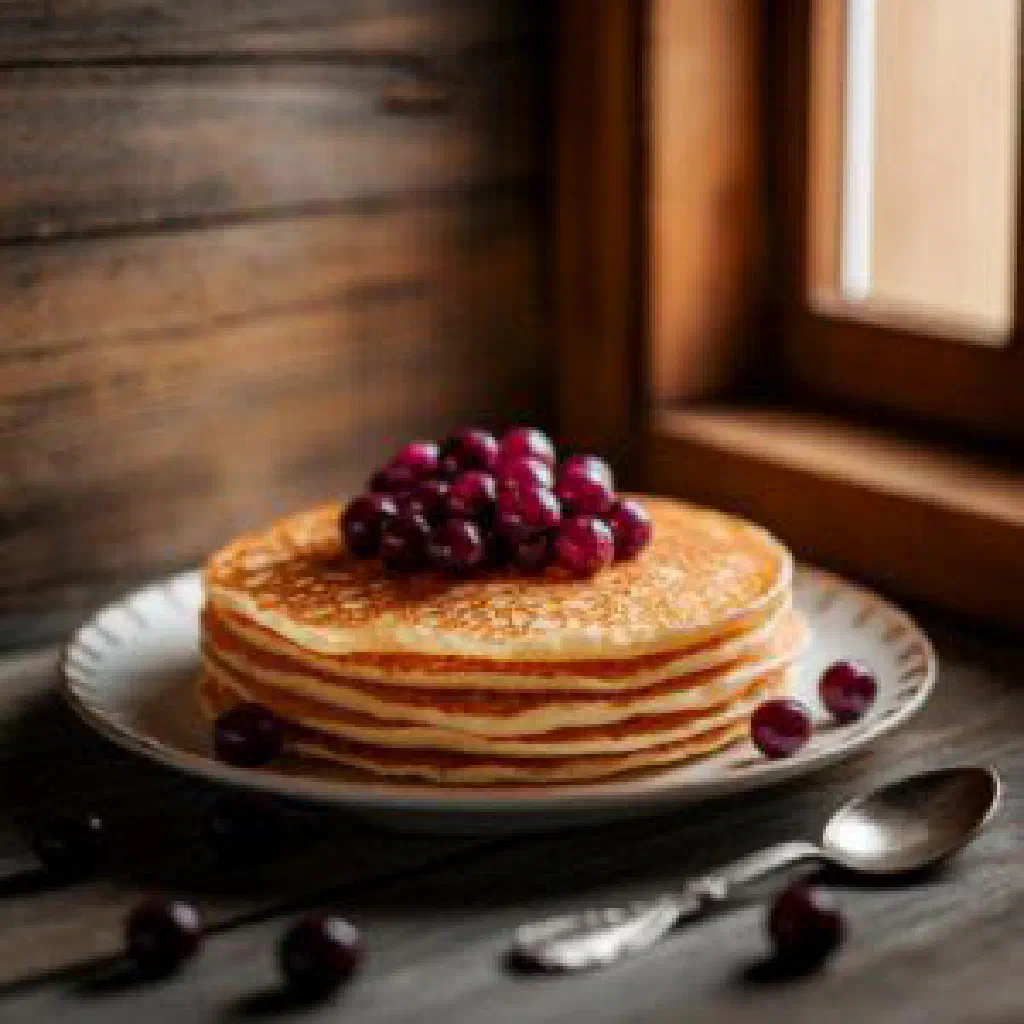
Meet Marjapannkook, the moist Estonian berry cake that turns a handful of summer fruit into something quietly spectacular. A light batter, a generous scattering of fresh berries and half an hour in the oven are all it takes. It is the sort of bake that appears on Estonian coffee tables on lazy afternoons and at family celebrations alike, simple enough for a first attempt, pretty enough to serve to guests without apology.
About Marjapannkook
Marjapannkook is a traditional Estonian berry cake that wins people over with its juicy texture and the bright, fresh taste of the fruit running through it. It is not only a delicious dessert but a genuine centrepiece on any coffee table. The straightforward method makes it ideal for family gatherings or unhurried afternoons with friends. Let the sheer variety of fresh fruit you can use inspire you, and enjoy this thoroughly moreish treat.
Ingredients (serves 1–2)
- 200 g fresh berries (raspberries, strawberries or blueberries, for example)
- 2 eggs
- 100 g sugar
- 100 ml milk
- 50 g plain flour
- 1 teaspoon baking powder
- A hint of vanilla
- Butter, for greasing the tin
Shopping for the ingredients
When shopping for marjapannkook, pay close attention to the quality of the fresh berries. They carry the whole cake. Summer brings an abundance of local fruit that suits this bake perfectly. Look for berries that are firm and free of bruising or soft spots. A local market or a good greengrocer will usually give you fresher produce than a long-stocked supermarket shelf.
Preparing the dish
Before you start on the marjapannkook, lay out all the ingredients so the process runs smoothly from beginning to end. Wash the berries thoroughly and halve any particularly large ones. Grease your baking tin with butter so the cake releases cleanly once it is baked. Let the eggs and milk come to room temperature first, cold ingredients never combine as evenly.
Step-by-step instructions
- Preheat the oven to 180°C.
- Whisk the eggs and sugar together in a bowl until pale and foamy.
- Add the milk and vanilla and stir until well combined.
- In a second bowl, mix the flour with the baking powder, then fold it gently into the egg mixture.
- Add the prepared berries and stir through evenly.
- Pour the batter into the prepared tin and bake for 25–30 minutes, until golden brown.
- Let the cake cool a little before turning it out of the tin.
Gluten-free / lactose-free version
To make marjapannkook gluten-free, simply reach for a gluten-free flour blend of the kind now stocked in most supermarkets. Check that your other ingredients, the baking powder in particular, are also certified gluten-free. For a lactose-free version, swap the milk for a plant-based alternative such as oat or almond drink. These small adjustments let far more people enjoy the cake without missing out.
Tips for vegans and vegetarians
For a vegan marjapannkook, replace the eggs with apple sauce or a mixture of ground flaxseed and water, one tablespoon of flaxseed stirred into three tablespoons of water stands in for one egg. Use a plant-based milk as well to complete the switch. The cake stays every bit as moist and flavourful, which is more than can be said for many vegan bakes. Fruit-forward Estonian desserts such as Johvikakissell adapt just as easily.
More tips and tricks
Experiment with different varieties of berry to create your own flavour combinations. Pair raspberries with blueberries, or add something more exotic such as mango for an unexpected note. Keep the quantity of fruit to no more than half the volume of the batter, otherwise the cake will struggle to rise. A pinch of grated lemon zest is another easy way to sharpen the flavour.
Adapting the recipe to your taste
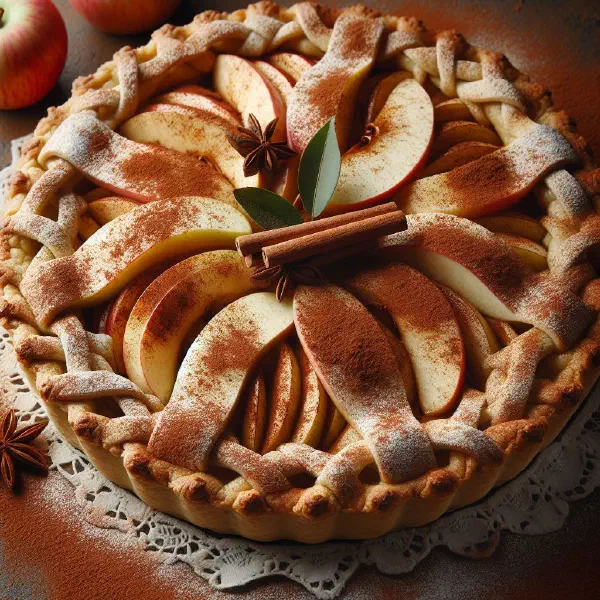
Marjapannkook adapts readily to personal preference. If you like your cakes sweeter, increase the sugar or use honey in its place. The fruit is entirely up to you, work with whatever is in season or whatever you happen to love most. Warming spices such as cinnamon or cardamom add another layer of aroma, much as they do in a classic Õunakook Kaneeliga.
Ingredient substitutions
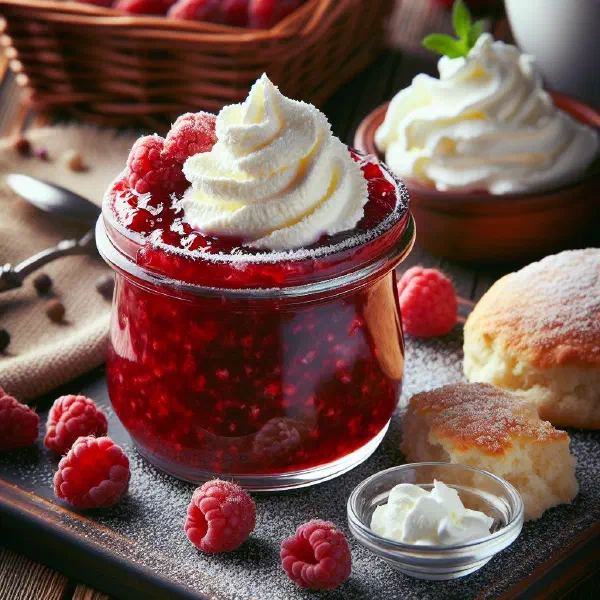
If you have no fresh berries to hand, frozen berries make a practical and still very tasty alternative. Thaw them properly and drain off the liquid before use, or the batter will end up too wet. Rice flour or oat flour also work well if you are after a gluten-free result. Leftover fruit can just as happily go into a jar of Raspberry Jam.
Drink pairing ideas
Fruity teas, raspberry or hibiscus in particular, are a natural match for marjapannkook. A glass of chilled lemonade or a lightly sparkling white wine lifts the whole experience, while a creamy coffee provides a mellower, more grounding counterpoint. Each of these balances the sweetness of the cake against the freshness of the berries.
Serving and presentation ideas
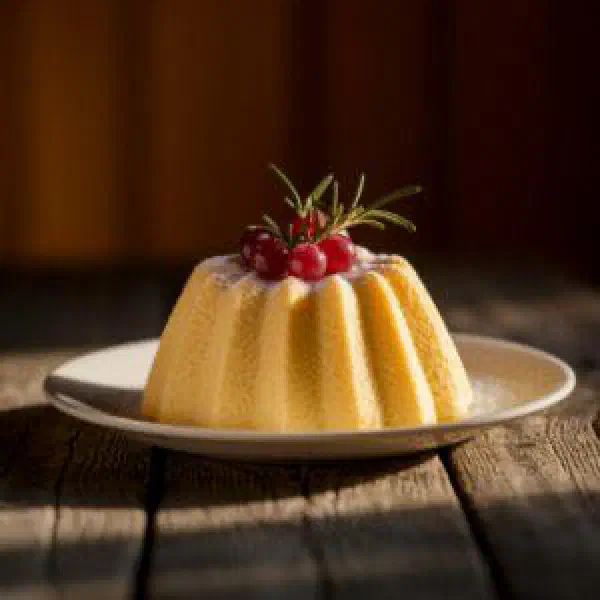
To present marjapannkook at its best, set it out on an attractive serving plate and garnish with fresh mint leaves. A light dusting of icing sugar across the top gives it an elegant finish. Arrange colourful fruit such as strawberries or blueberries around the edges, and a spoonful of soured cream or Kohupiimakreem alongside turns a slice into a proper dessert.
A bit of history
Marjapannkook originates in Estonia and forms part of the country’s culinary tradition. Berry cakes have long been a favourite dessert across the Nordic and Baltic regions, where wild and cultivated berries grow in abundance through the short, generous summer. The dish speaks to a close relationship with nature and with the seasonal ingredients that define Estonian cuisine. Baking and sharing marjapannkook remains an everyday expression of Estonian hospitality.
More recipe ideas
Summary: Marjapannkook
Marjapannkook is a delicious, deeply moist berry cake that owes its charm to a simple method and genuinely fresh ingredients. Suited to almost any occasion, it brings a touch of Baltic summer into your kitchen. With so many ways to adjust the fruit, the sweetness and the spicing, the recipe bends easily to your own taste. Bake this traditional Estonian dessert and give family and friends a slice of Estonian culture.