National Dish Estonia: Mulgikapsad (Recipe)
In this article
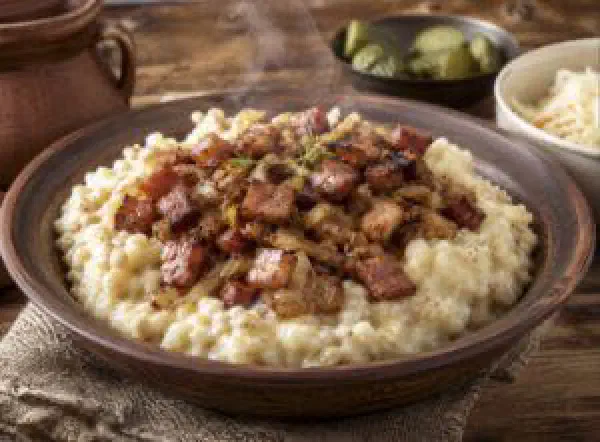
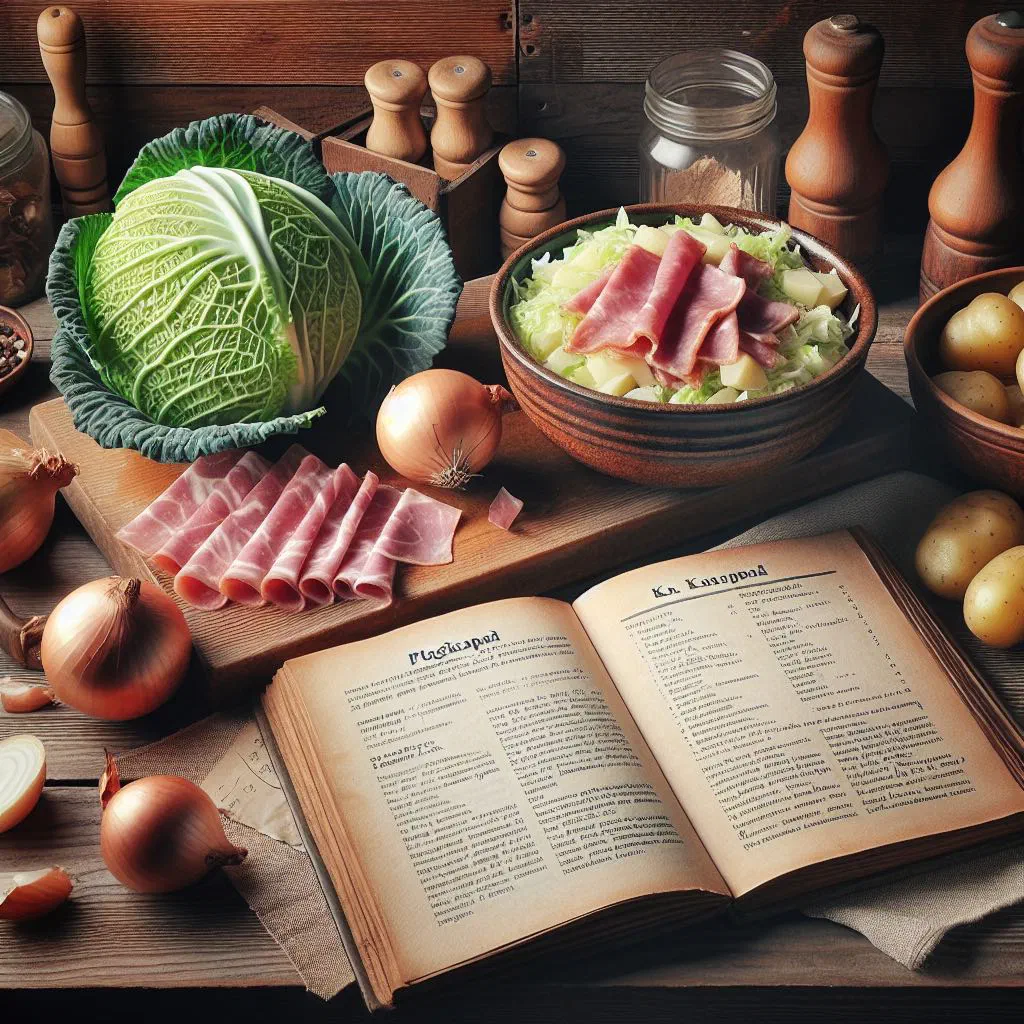
Discover Mulgikapsad, the hearty pot of sauerkraut, potatoes and slow-cooked pork that Estonians turn to when the days grow short. Tangy, savoury and gently fragrant with caraway, it is farmhouse cooking at its most comforting, the sort of dish that fills a kitchen with warmth long before it reaches the table. Simple ingredients, deep flavour and a genuine taste of Estonian tradition.
About Mulgikapsad
Mulgikapsad is a traditional Estonian dish built from sauerkraut, potatoes and pork. It is delicious and an important part of Estonian food culture. The way the ingredients come together gives the dish a deep, rich flavour that is especially appreciated during the cold months of the year. Many families keep their own version of the recipe, which makes Mulgikapsad both a personal and a cultural experience.
Ingredients (serves 1–2)
- 400 g sauerkraut
- 300 g potatoes, peeled and diced
- 200 g pork, diced
- 1 large onion, diced
- 2 tablespoons oil, for frying
- Salt and pepper to taste
- 1 teaspoon caraway seeds (optional)
Shopping for the ingredients
When shopping for Mulgikapsad, the quality of the produce makes all the difference. The sauerkraut should be fresh and crisp to guarantee the best flavour. For the pork, it is worth buying at least part of the meat from a proper butcher, as it tends to be fresher and more flavourful. The potatoes should be firm and free of green patches so the dish shows them at their best, the same care pays off in a simple Kartulisalat.
Preparing the dish
Preparing Mulgikapsad involves a few straightforward steps to get the ingredients ready. First, peel and dice the potatoes and the onions. Then cut the pork into small cubes so that it cooks through evenly. The sauerkraut usually needs no further work, but it should be drained well to avoid excess liquid in the pot.
Step-by-step instructions
- Heat the oil in a large pan and fry the onions until translucent.
- Add the diced pork and brown it all over.
- Add the diced potatoes and fry for a few minutes alongside the meat.
- Stir in the sauerkraut and the caraway, if using, mix well and season with salt and pepper.
- Cover and let everything simmer for around 30 minutes, stirring occasionally.
Gluten-free / lactose-free version
Mulgikapsad is naturally gluten-free and lactose-free, as none of the ingredients contain gluten or dairy. When buying the pork, just check that no gluten-containing binders have been added. That way people with particular dietary needs can enjoy this delicious dish too. The pleasing part is that the classic preparation stays exactly as it is, without any compromise on flavour.
Tips for vegans and vegetarians
Although Mulgikapsad is traditionally made with pork, vegans and vegetarians can easily put together a plant-based version. Simply replace the meat with tofu, seitan or brown lentils. These alternatives bring plenty of body and flavour to the pot and are a good source of protein. A handful of aromatic spices will deepen the taste further still.
More tips and tricks
There are many small tricks for making Mulgikapsad even more fragrant. Experiment with additional herbs such as thyme or rosemary to refine the flavour. A splash of stock or beef broth adds another dimension, and a pinch of sugar helps balance the acidity of the sauerkraut, rounding the whole dish out nicely. Cabbage lovers will find the same principle at work in Kapsasupp.
Adapting the recipe to your taste
The beauty of Mulgikapsad is how readily it bends to personal preference. If you would like an extra vegetable component, carrots or celeriac slot in easily. You can also vary the proportion of potatoes to sauerkraut however you like. Trying sauerkraut from different producers is another simple way to shift the character of the finished dish.
Ingredient substitutions
The recipe for Mulgikapsad is flexible, so a number of ingredients can be swapped out. If pork is not to your taste, chicken or beef makes an excellent alternative. Vegetarian mince works equally well for a meat-free version. There are now plenty of other fermented products beyond sauerkraut that you can experiment with to create a new flavour direction.
Drink pairing ideas
A range of drinks suits a hearty dish such as Mulgikapsad. An Estonian beer is the traditional companion. Alternatively, a lightly sparkling wine helps harmonise the flavours. For alcohol-free options, fruit juices or a minty lemonade balance the richness of the meal nicely.
Serving and presentation ideas
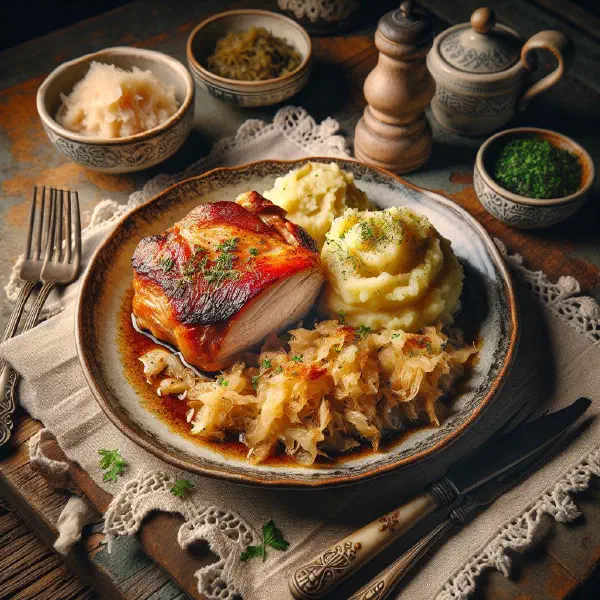
Presentation can make a real difference to Mulgikapsad, even with such a simple dish. Serve it in a large, attractive bowl and garnish with fresh herbs such as parsley or dill. Colourful sides, a simple salad, or a spoonful of Rosolje, make the plate more inviting still. We eat with our eyes first, so a good-looking spread adds to the pleasure.
A bit of history
Mulgikapsad has a fascinating story and is deeply rooted in Estonian culture. The dish is thought to come from the rural regions of Estonia, where people cooked with simple, nourishing ingredients. The tradition of preparing Mulgikapsad in large quantities has carried across generations, since it was very much a communal activity. It is often served on special occasions and holidays as a way of expressing that connection to heritage, much like the rye loaves and porridges that anchor Estonian cuisine.
More recipe ideas
Summary: Mulgikapsad
Mulgikapsad is more than just a meal; it is a piece of Estonian tradition that carries a sense of home and comfort. From humble ingredients it builds a rich, satisfying flavour, and it adapts easily to different tastes and dietary needs. Bring a little of Estonia into your kitchen and enjoy the savoury pleasure of Mulgikapsad.