National Dish Estonia: Pühade Seapraad (Recipe)
In this article
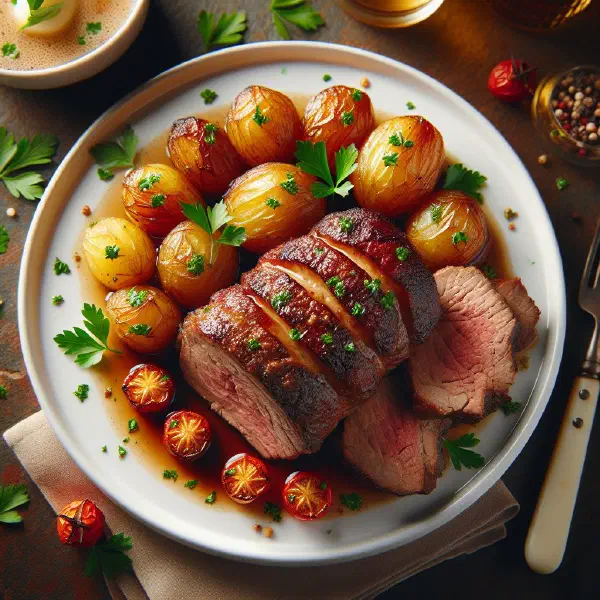
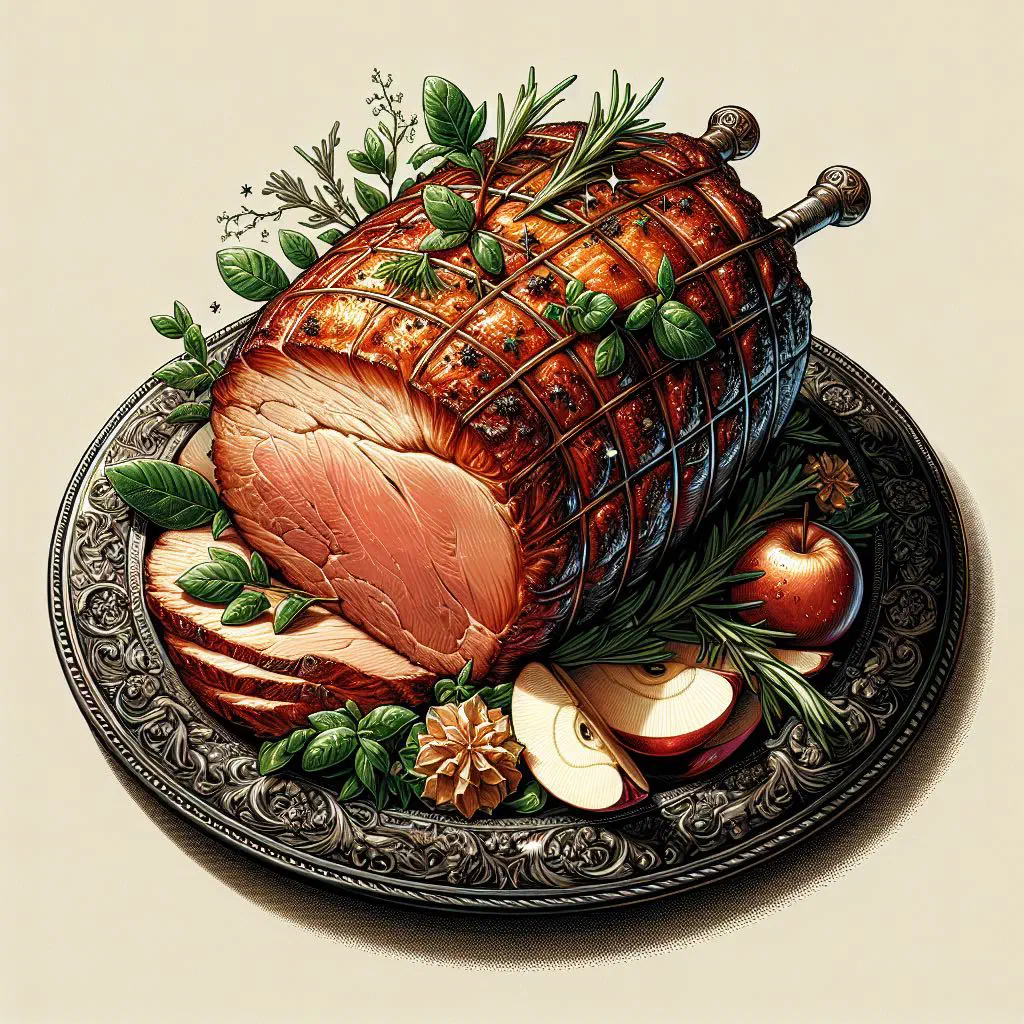
Meet Pühade Seapraad, the festive pork roast that anchors the Estonian holiday table. Tender pork is slowly coaxed to softness with sweet-sharp apples, onions and warming spices until the whole kitchen smells of celebration. It takes a little patience, but the reward is a generous, comforting centrepiece made for long meals with family and friends, the very picture of Estonian hospitality.
About Pühade Seapraad
Pühade Seapraad is a traditional Estonian dish that appears on the table for special occasions and public holidays. It is built around tender pork, brought together harmoniously with a range of spices and side dishes. The cooking does take a little time, but the result is a festive meal that warms the heart as much as it fills the stomach. Estonian culture is reflected in both the preparation and the eating of this dish, which makes it a perfect symbol of Estonian hospitality.
Ingredients (serves 1–2)
- 500 g pork (shoulder or neck, for example)
- 2 onions
- 4 cloves of garlic
- 2 apples
- 1 teaspoon paprika
- 1 teaspoon marjoram
- Salt and pepper to taste
- 1 tablespoon vegetable oil
- 500 ml vegetable stock
Shopping for the ingredients
When shopping for the ingredients for Pühade Seapraad, it is worth picking out fresh, good-quality produce. The pork should be tender and nicely marbled to give the best flavour. Apples work best when they are slightly tart, as they lend the dish a distinctive note. Visit a local market or a trusted butcher and grocer to track down the finest ingredients.
Preparing the dish
Careful preparation is the key to a successful Pühade Seapraad. Begin by cutting the pork into evenly sized pieces so it cooks through at the same rate. The onions and garlic should be finely chopped, while the apples can be sliced ready to be folded into the dish later on. Seasoning everything properly at this stage is what allows the full aroma to develop.
Step-by-step instructions
- Heat the vegetable oil in a large pan and brown the seasoned pork on all sides.
- Add the onions and garlic and fry them off for a few minutes.
- Tip in the apples and let them caramelise lightly.
- Pour in the vegetable stock and leave everything to simmer gently over a low heat for about 1½ to 2 hours.
- Serve the dish hot, ideally with sides such as potatoes or vegetables.
Gluten-free / lactose-free version
Making Pühade Seapraad gluten-free or lactose-free is straightforward. Simply use a certified gluten-free stock and check that every other ingredient is free from gluten. For a lactose-free version, stick to plant-based oils and stocks throughout. That way everyone can enjoy this delicious dish, whatever their dietary needs.
Tips for vegans and vegetarians
For a plant-based take on Pühade Seapraad, swap the pork for marinated tofu or seitan. Be generous with aromatic, well-spiced seasonings so the dish loses none of its character. Just as in the original, the apples, onions and spices carry the flavour and create a thoroughly satisfying vegan main. This adaptation lets plant-based eaters enjoy Estonian cuisine too, much as the barley-rich Tomatisupp Odrakruupidega does.
More tips and tricks
One of the most useful tricks with Pühade Seapraad is to marinate the pork overnight. This deepens the flavour and makes the meat especially tender. It is also worth experimenting with different spices to add a personal signature. Cooking the dish in a heavy casserole pot helps the aromas develop more fully than a shallow pan ever could.
Adapting the recipe to your taste
The recipe is easy to adjust to suit different palates. You might use other fruits such as pears or plums to take the dish in a new direction. The choice of spices can vary just as freely, letting you land on the perfect blend for your own taste. Adaptations like these keep things interesting, since everyone can shape the recipe in their own way, the same spirit you find in the classic Sealiha Kapsaga.
Ingredient substitutions
If you are looking for alternatives to certain ingredients, there are plenty of options. Chicken or a plant-based patty can stand in for the pork without much trouble. If fresh herbs are not to hand, dried herbs work perfectly well. Just reduce the quantity accordingly. These substitutions let you keep the recipe flexible and varied throughout the year.
Drink pairing ideas
For a festive meal built around Pühade Seapraad, the right drinks matter a great deal. A lightly chilled Estonian beer or a crisp white wine pairs beautifully with the savoury roast. Homemade lemonade makes a refreshing alternative for anyone avoiding alcohol. These drinks round off the meal and help create a relaxed atmosphere as you eat with family and friends.
Serving and presentation ideas
There are many ways to present Pühade Seapraad attractively. Serve it straight from a handsome, rustic casserole or spread it out on a wide, flat platter. Garnish with fresh herbs or apple slices for a colourful, inviting look. A dark, hearty Rukkileib alongside completes the picture and will impress your guests before they have taken a single bite.
A bit of history
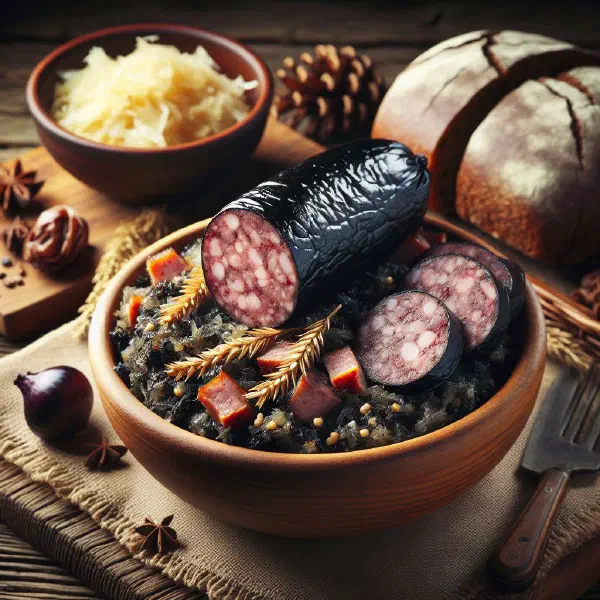
The background to Pühade Seapraad is a fascinating one. It belongs to a broader Estonian tradition of serving warming, filling dishes inspired by nature and the produce of the season. The dish reflects the culinary variety of Estonia, where meat and fresh ingredients play a central role. Historically, Pühade Seapraad has grown into a symbol of feasts and gatherings, connecting generations around a shared table alongside classics like Verivorst.
More recipe ideas
Summary: Pühade Seapraad
In short, Pühade Seapraad is a wonderful example of Estonian cooking at its most generous. The combination of tender meat, fresh ingredients and aromatic spices makes this dish a feast for the senses. Thanks to the many ways it can be adapted, everyone can add their own touch, so that Pühade Seapraad offers a genuinely individual eating experience. Whether for the holidays or as a special Sunday roast, this dish brings Estonian tradition to the table and draws people together through a shared love of good food.