National Dish Estonia: Räim Tomatis (Recipe)

In this article
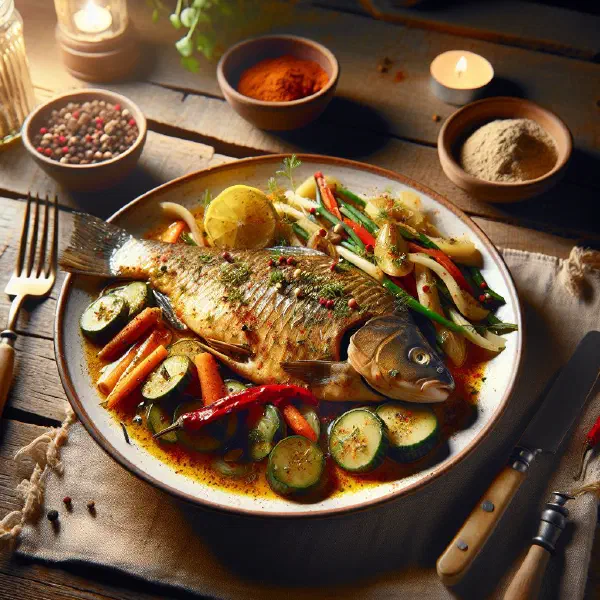
Meet Räim Tomatis, the Estonian classic that brings the salty freshness of the Baltic straight to your table. Small silvery herring simmer gently in a tangy tomato sauce with sweet onions until the whole pan smells of the coast. It is quick, thrifty and deeply satisfying, a dish that tastes of the sea and the long Estonian summer evenings that go with it.
About Räim Tomatis
Räim Tomatis is a traditional Estonian dish celebrated for its fresh flavours and its reliance on regional ingredients. It sits perfectly within Estonia’s maritime traditions and brings the taste of the Baltic Sea directly to your table. The herring, served in a gently simmered tomato sauce, is a treat for the palate and a genuinely healthy choice, rich in omega-3 fatty acids. If you have never had the chance to try this dish, you are in exactly the right place to discover how it is made and what makes its ingredients special.
Ingredients (serves 1–2)
- 200 g herring (fresh or pickled)
- 1 tin of tomatoes (chopped or whole)
- 1 onion
- 2 tablespoons oil (sunflower oil works well)
- Salt and pepper, to taste
- Fresh herbs, such as dill or parsley
Shopping for the ingredients
Before you start on Räim Tomatis, it is worth sourcing the right ingredients. When buying herring, look for fish that appears fresh and has a clean, pleasant smell. Ideally the tinned tomatoes should contain no artificial additives, so that the natural flavour comes through. Choosing local and seasonal produce is well worth the effort. It makes the result far more authentic and supports the region at the same time.
Preparing the dish
Getting Räim Tomatis ready is simple and straightforward. Begin by slicing the onion into fine rings or dicing it small. This ensures an even cooking time and gives the finished dish an attractive appearance. If you are using fresh herring, make sure it has been thoroughly cleaned. Careful preparation is the key to success here, so take your time over it. Just as you would with a properly layered Rosolje.
Step-by-step instructions
- Heat the oil in a frying pan and fry the onions until golden brown.
- Add the tomatoes and season with salt and pepper.
- Add the herring to the pan and let it cook over a low heat for around 10–15 minutes.
- Serve the dish hot, garnished with fresh herbs.
Gluten-free / lactose-free version
Making Räim Tomatis without gluten or lactose presents no difficulty at all. Simply check that the herring is unprocessed and that the tinned tomatoes are free from gluten. Tinned tomatoes and the spices used here are usually gluten-free by nature. If you are working with a stock, choose a lactose-free one, and pick your oil accordingly.
Tips for vegans and vegetarians
For vegan or vegetarian versions of Räim Tomatis, you can replace the herring with tofu or another plant-based protein. It is important to adjust the marinade to preserve the dish’s characteristic flavour. Vegetables such as courgette or aubergine also make a welcome addition and make the meal lighter still. The result is an aromatic, appetising version that does the soul as much good as it does the palate.
More tips and tricks
There are a few practical points worth remembering when cooking Räim Tomatis. Fry the onions properly so that they release as much flavour as possible. Adding fresh herbs right at the end helps intensify the aromas. For extra colour and depth, try stirring in some paprika or a handful of pickled olives. Little touches like these keep the dish varied and interesting.
Adapting the recipe to your taste
The recipe for Räim Tomatis is easy to tailor to personal preference. You might use shallots instead of onions if you prefer a milder flavour, for example. Experiment with different spices such as paprika or caraway to give the dish your own signature. Fresh vegetables also make an excellent side, adding variety to the plate, a warm Peedipüree is a particularly good match.
Ingredient substitutions
If you cannot find fresh ingredients at the supermarket, frozen herring is a perfectly good fallback. It stays close to the original in flavour and is often far more convenient. At a pinch the tinned tomatoes can be replaced with passata, if you prefer a smoother sauce. This flexibility in the choice of ingredients is one reason Räim Tomatis remains so popular.
Drink pairing ideas
Refreshing drinks suit a classic Estonian dish like Räim Tomatis particularly well. A young, dry white wine or a crisp pilsner works beautifully to complement the flavours of the fish. Non-alcoholic options such as sparkling water with lemon or homemade lemonade are an excellent choice too. These drinks harmonise with the dish and round the meal off nicely.
Serving and presentation ideas
Thoughtful presentation can lift the enjoyment of Räim Tomatis considerably. Serve it in an attractive bowl, garnished with fresh herbs and a few lemon slices on the side. A colourful vegetable purée on the plate adds another splash of colour. A slice of dark Rukkileib alongside makes the spread complete, whets the appetite and graces any table.
A bit of history
Räim Tomatis is a fixture of the Estonian kitchen and reflects the traditions and culinary influences of the region. Herring, one of the characteristic fish of the Baltic Sea, was for a long time a vital source of protein for the Estonian population. The use of tomato sauce is a later but very welcome adaptation, lending the dish a pleasant fruitiness. So this is more than just something good to eat: it tells the story of Estonians and their relationship with nature, and it remains one of the cornerstones of Estonian cuisine.
More recipe ideas
Summary: Räim Tomatis
In short, Räim Tomatis is a delicious and easily prepared dish that captures the flavours of the Estonian coast to perfection. With fresh ingredients and no shortage of ways to adapt it, it is both healthy and full of taste. This dish is guaranteed to be a highlight on your table. Enjoy those maritime flavours and go on exploring the world of Estonian cooking.