National Dish Estonia: Rukkijahukört (Recipe)
In this article
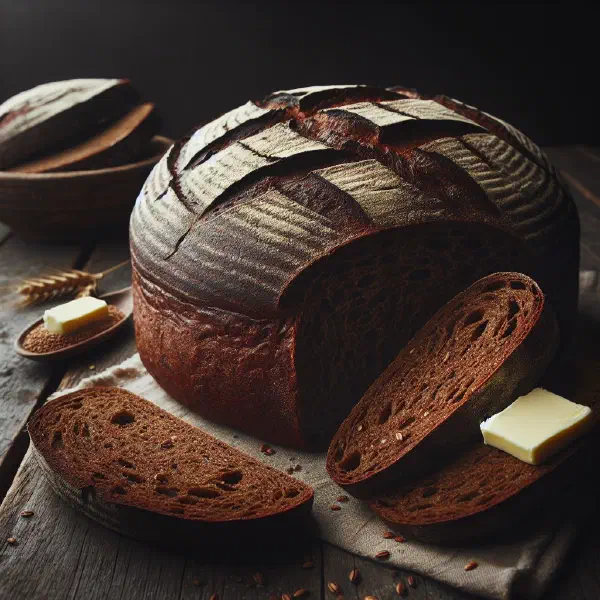
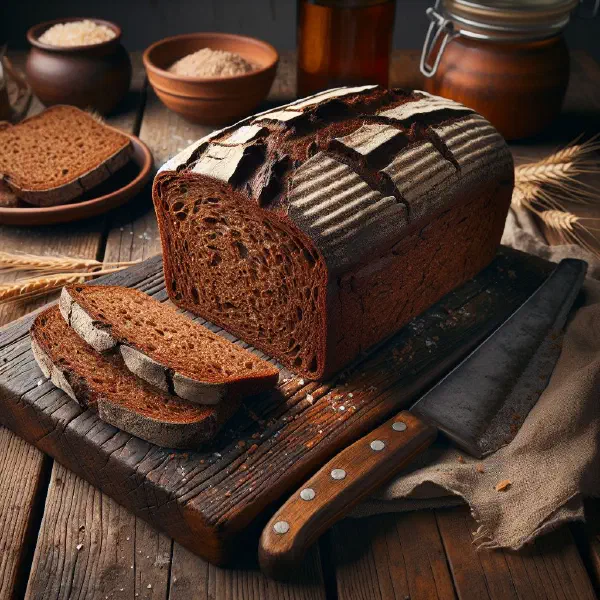
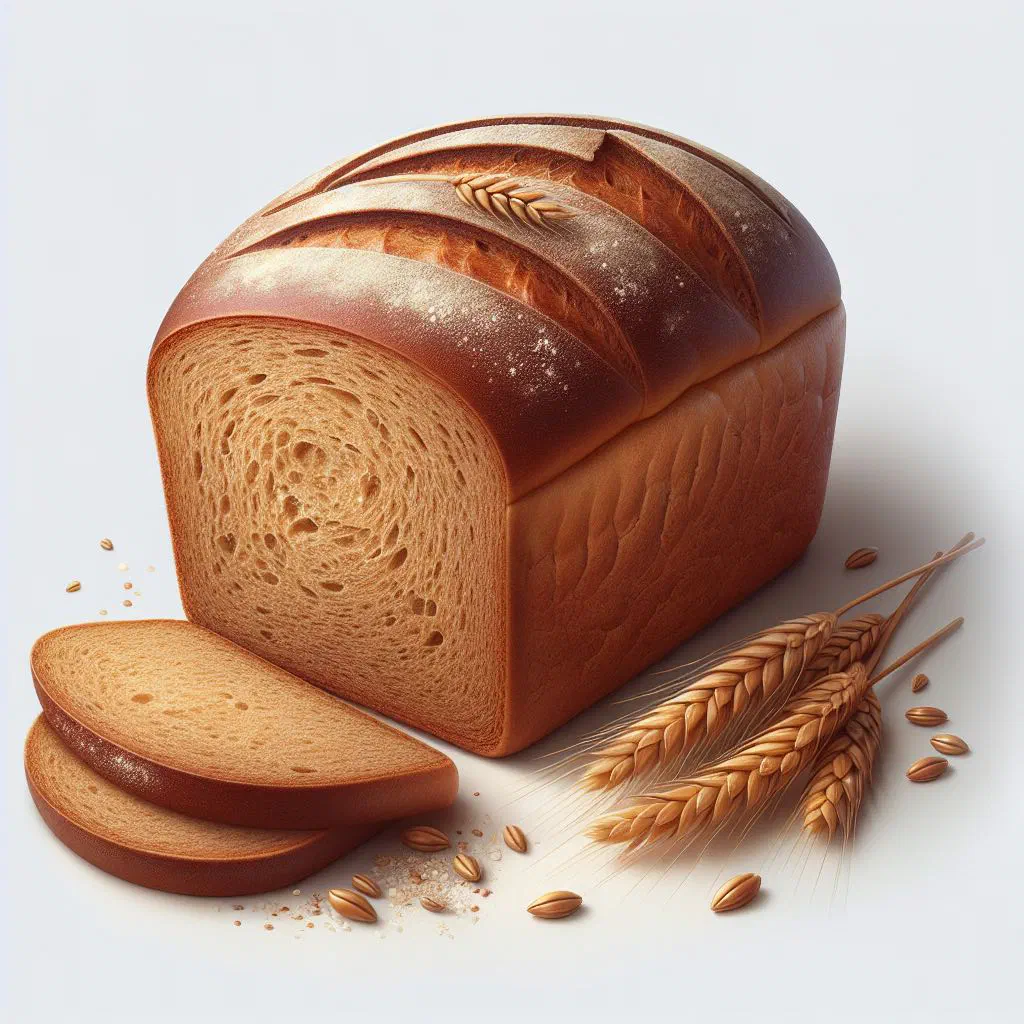
Few things sum up the Baltic table quite like a warm loaf made from dark, earthy rye flour. Rukkijahukört is exactly that: a rustic, gently sweet bake with a dense crumb and a crust that crackles as you slice into it. The ingredient list is refreshingly short, the method is forgiving, and the reward is a kitchen filled with the deep, malty aroma that Estonians have loved for generations. Whether it lands on a weeknight supper table or a festive buffet, it never fails to feel like an occasion.
About Rukkijahukört
Rukkijahukört is a traditional Estonian dish built around rye flour, and it mirrors the country’s rich culinary heritage beautifully. Its hearty, grounded flavours are typical of the region, and its rustic texture sets it apart from lighter wheat bakes. It has become a firm favourite for cosy evening meals and celebratory spreads alike. Much of its popularity comes down to the fact that it tastes far more impressive than the straightforward preparation would suggest.
Ingredients (serves 1–2)
- 150 g rye flour
- 250 ml water
- 1 tsp salt
- 1 tsp sugar
- 1 tsp dried yeast
- Optional: caraway seeds or other spices of your choice
Shopping for the ingredients
The ingredients for rukkijahukört are easy to find in most supermarkets and health food shops. It is worth choosing a good-quality rye flour, as this single ingredient shapes the flavour of the finished bake more than anything else. If sustainability matters to you, look out for regional or organic options, stoneground flours in particular carry more character. Dried yeast is equally straightforward to source and usually sits in the baking aisle.
Preparing the dish
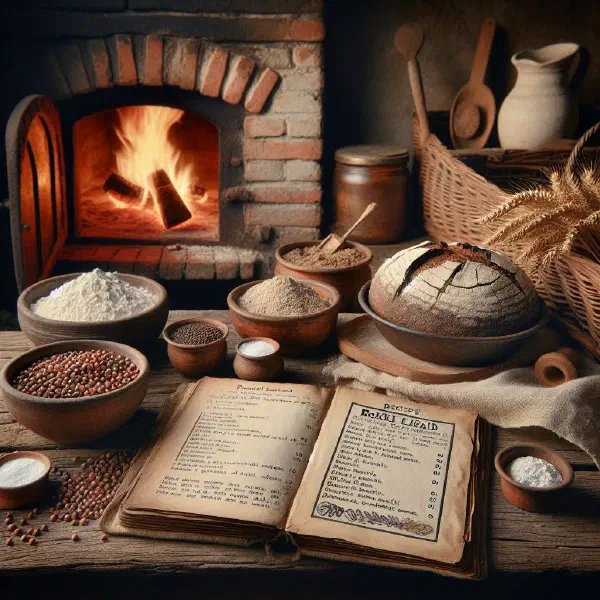
Before you start on the rukkijahukört, gather everything you need in one place. Weigh out the flour, measure the liquid, and check that your dried yeast is still well within date, since tired yeast is the most common cause of a flat loaf. Take particular care with the spices: caraway lends the dough a distinctive, faintly aniseed note that suits rye perfectly. Set out your mixing bowls and baking tin before you begin, and the whole process runs far more smoothly.
Step-by-step instructions
- Combine the rye flour, salt, sugar and dried yeast thoroughly in a large bowl.
- Add the water gradually, stirring with a spoon until you have a smooth dough.
- Knead the dough for around 7–10 minutes, until it turns supple.
- Cover the dough and leave it in a warm spot for 1 hour, until well risen.
- Preheat the oven to 200 °C and lightly grease a baking tin.
- Knead the dough briefly once more, transfer it to the prepared tin and prove for a further 30 minutes.
- Bake in the preheated oven for about 30–35 minutes, until the loaf is golden brown.
Gluten-free / lactose-free version
Making rukkijahukört gluten-free takes some care, since rye flour naturally contains gluten. A blend of rice, buckwheat and potato flour makes a workable substitute, though the crumb will be a little more delicate. The recipe is already lactose-free as written, and if you prefer to swap the water for a plant-based milk you will get a softer, slightly richer result. Whichever route you take, mix well and keep an eye on the consistency of the dough.
Tips for vegans and vegetarians
Vegans can enjoy rukkijahukört exactly as it stands, since the recipe is plant-based from the outset. Simply check that no animal products creep in via spice blends or accompaniments. A generous vegan spread or a hearty vegetable side makes an excellent partner. Try it with the earthy sweetness of Peedipüree. Vegetarians might add cheese alternatives or a thick, tangy yoghurt to round the meal out.
More tips and tricks
To get the very best from rukkijahukört, experiment with different spices and herbs to discover new flavour directions. Proving the dough somewhere genuinely warm makes a striking difference to the final texture, so an oven with the light on works well on a cold day. Watch the consistency as you mix: if the dough looks dry, add a splash more water rather than forcing it together. Beyond that, let your instincts guide you and adapt the recipe as you go.
Adapting the recipe to your taste
The real charm of rukkijahukört lies in how readily it bends to your preferences. You can vary the flour blend or fold in extras such as nuts and dried fruit for a sweeter, more festive loaf. Playing with textures and aromas is half the pleasure, and each batch teaches you something about how rye behaves. The result is a bake that feels genuinely personal rather than merely copied from a page.
Ingredient substitutions
If you have no dried yeast to hand, fresh yeast works just as well. You will simply need to adjust the quantity accordingly. A mix of wholemeal flour and rye flour makes an interesting variation, giving a lighter crumb while keeping the depth of flavour. Honey or another sweetener can stand in for the sugar and adds a subtle floral note. Substitutions like these are how classics such as Rukkileib developed their many regional forms.
Drink pairing ideas
A hearty bake like rukkijahukört calls for drinks that echo its rustic character. A cold Estonian beer or a crisp apple cider is an excellent choice, both cutting neatly through the density of the rye. Those avoiding alcohol will find a robust herbal tea harmonises beautifully, as does a glass of tart apple juice. Try a few combinations and you will soon settle on a favourite.
Serving and presentation ideas
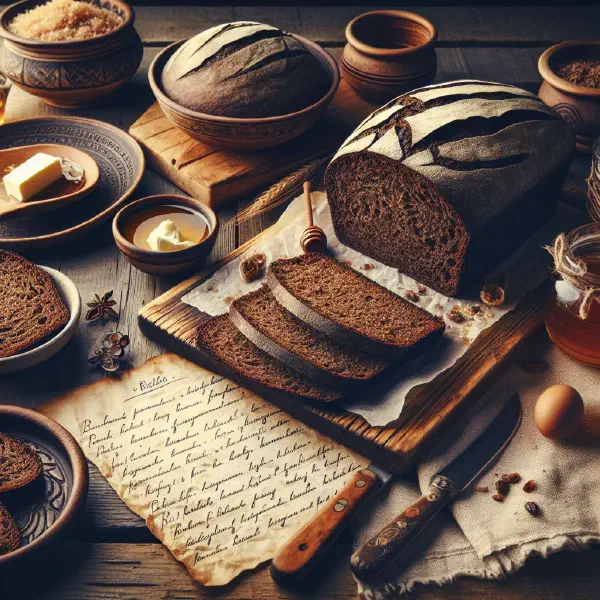
Presentation makes a real difference to how rukkijahukört is received. Serve it in a rustic wooden bowl and garnish with fresh herbs or a velvety sauce alongside. Small slices arranged with a selection of spreads work particularly well as part of a wider spread, perhaps next to a bowl of Suitsukala Salat. Attractive tableware and a little thought given to the setting turn a simple loaf into something memorable.
A bit of history
The story of rukkijahukört runs deep through Estonian culture. Rye was once the country’s dominant grain and it remains central to the national kitchen, from everyday loaves to festive baking. This dish stands for the simple, sustaining food that was passed down through generations of farming households. Today it appears at celebrations and special occasions, a reminder of how firmly bread sits at the heart of Estonian cuisine.
More recipe ideas
Summary: Rukkijahukört
All told, rukkijahukört is essential eating for anyone keen to get to know the Estonian kitchen. Its uncomplicated method and deep, savoury flavours make it a fast favourite in family homes. Use the flexibility of the recipe to shape it around your own preferences, and share the results with family and friends. Above all, this is a bake that brings a genuine taste of Estonia straight into your kitchen.