National Dish Estonia: Seapraad Hapukapsaga (Recipe)
In this article
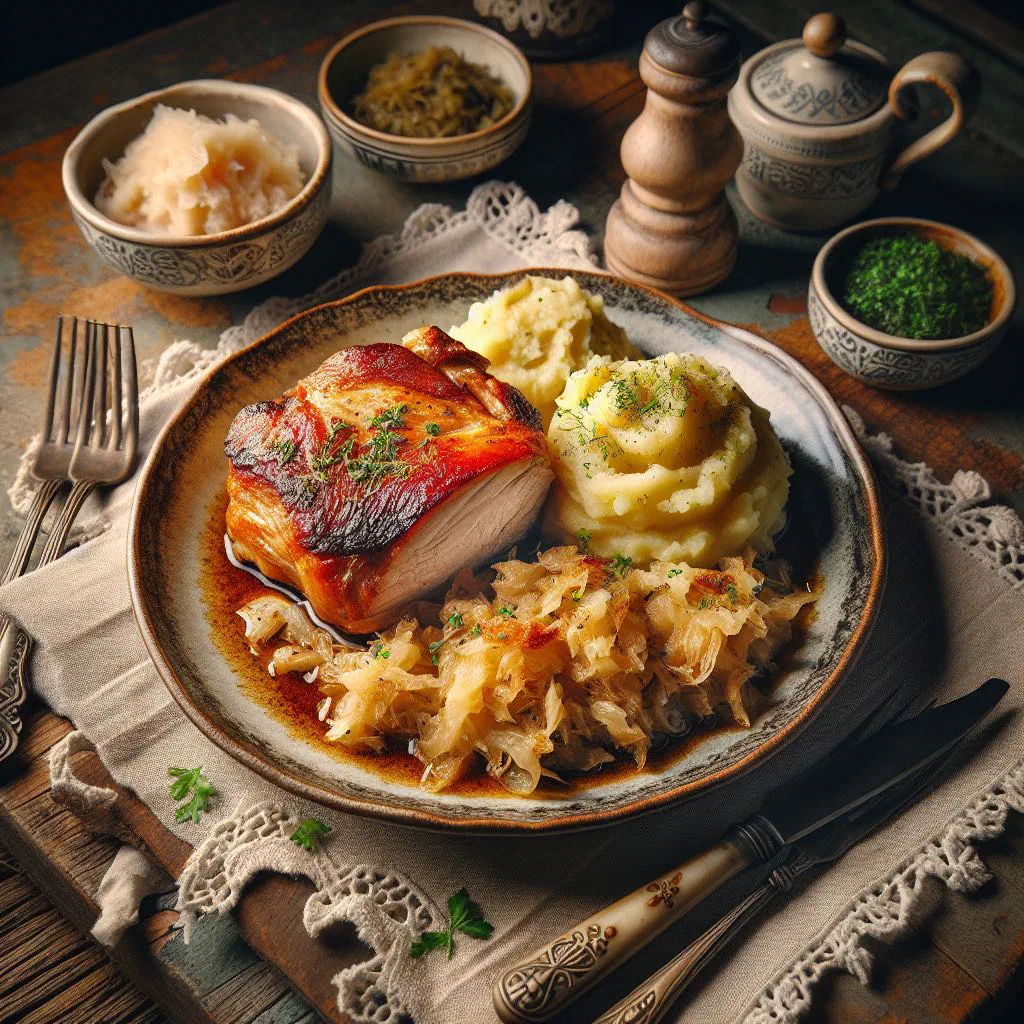
Meet Seapraad hapukapsaga, Estonia’s hearty answer to a cold northern evening: tender roast pork slow-cooked with tangy sauerkraut and soft potatoes. The richness of the meat and the bright sourness of the cabbage balance one another beautifully, which is exactly why this dish turns up at celebrations and family gatherings all over the country. It asks for little more than patience and good ingredients, and it rewards you generously.
About Seapraad Hapukapsaga
Seapraad hapukapsaga is far more than a plate of food; it is a symbol of Estonian culture and hospitality. The pork is traditionally served with sauerkraut, which gives the dish its unmistakable character, while the combination of savoury meat and gentle acidity creates an experience that appeals to the palate and the senses alike. Perfectly suited to special occasions, it is nourishing, generous and a true expression of Estonian warmth.
Ingredients (serves 1–2)
- 500 g pork (shoulder or neck)
- 300 g fresh sauerkraut
- 1 large onion
- 2–3 potatoes
- 1–2 tablespoons oil or butter
- Salt and pepper to taste
- Optional: caraway seeds and bay leaves for extra flavour
Shopping for the ingredients
When preparing for Seapraad hapukapsaga, make sure every ingredient is fresh and of good quality. Pork from a trusted source matters most, since it shapes the flavour of the finished dish more than anything else. Visit your local market or butcher to find the best cuts. Check too that the sauerkraut is fresh and not overly sour, as this can tip the balance of the whole dish.
Preparing the dish
Good preparation is essential if the flavours of Seapraad hapukapsaga are to come through properly. Begin by cutting the pork into cubes and seasoning it with salt and pepper. Finely chop the onion and cut the potatoes into small pieces. It is also worth rinsing the sauerkraut beforehand if it tastes very sharp, to soften the acidity a little.
Step-by-step instructions
- Heat the oil or butter in a large pot over a medium heat.
- Add the onions and fry until translucent.
- Add the pork to the pot and brown it on all sides.
- Stir in the potatoes and the sauerkraut and mix well.
- Season with salt, pepper and, if you like, caraway seeds and bay leaves.
- Cover the pot and leave everything to simmer gently for about 1 to 1½ hours, until the meat is tender.
Gluten-free / lactose-free version
Seapraad hapukapsaga is naturally gluten-free and lactose-free as long as you choose your ingredients carefully. Check that the sauerkraut and the remaining ingredients carry no traces of gluten or lactose, and cook with a plain oil rather than butter if you are avoiding dairy.
Tips for vegans and vegetarians
Although Seapraad hapukapsaga is built around traditional pork, there are good alternatives for vegan and vegetarian cooks. Tofu or tempeh stands in well for the meat and gives a comparable texture, and adding mushrooms brings back much of the savoury depth. Adjust the seasoning upwards to compensate, and keep the sauerkraut as the heart of the dish. It is prized in plant-based Estonian cooking just as much as it is here.
More tips and tricks
To get the very best from your Seapraad hapukapsaga, a few small habits make a real difference. Marinating the meat before cooking builds extra flavour, and long, slow cooking is what keeps the pork juicy rather than dry. Experiment with different herbs and spices to shape the dish to your own taste, the same patient approach works wonders for Sealiha Kapsaga too.
Adapting the recipe to your taste
One of the pleasures of cooking Seapraad hapukapsaga is how readily it bends to personal preference. Add more vegetables such as carrots or celery to make it richer, turn up the heat with chilli flakes, or hold back on the stronger spices for something milder. Portion it as you please to suit the appetites around your table.
Ingredient substitutions
The breadth of Estonian cooking leaves plenty of room for creativity here. Beef or chicken works in place of pork if you prefer, and a generous mix of pulses makes a satisfying vegetarian version. Just remember to adjust the cooking times accordingly so that everything finishes tender at the same moment.
Drink pairing ideas
A dish like Seapraad hapukapsaga deserves a drink that rounds out the meal. A light Estonian beer or a dry white wine sits beautifully against the savoury pork, while refreshing fruit juices or sparkling water with citrus make excellent alcohol-free choices. Try a few combinations to find the pairing that suits your own feast best.
Serving and presentation ideas
Presentation counts for a great deal with Seapraad hapukapsaga. Serve it in a rustic bowl and garnish with fresh herbs such as parsley or dill. A good tablecloth and handsome crockery lift the whole occasion, and a slice of Rukkileib alongside makes the spread feel complete. Create an inviting atmosphere and your guests will happily linger.
A bit of history
Seapraad hapukapsaga has its roots in the Estonian countryside and reaches back through generations of rural tradition. It reflects a way of life shaped by local produce and the rhythm of the seasons. Sauerkraut has long been valued in Estonia as a precious source of vitamins through the winter, while pork was historically the main source of protein. The dish is not merely a celebration meal but a piece of the cultural heritage of Estonian cuisine, handed down from one generation to the next.
More recipe ideas
Summary: Seapraad Hapukapsaga
In short, Seapraad hapukapsaga is a delicious and deeply traditional dish from Estonia that captures both the flavours and the culture of the country. Its harmonious pairing of pork and sauerkraut wins people over not only through taste but through the story behind it. Savoury, salty and thoroughly comforting, it is made for celebrations and family gatherings. Let Estonian hospitality work its charm on you and give this special dish a try.