National Dish Eswatini: Emaphakatsi (Recipe)
In this article
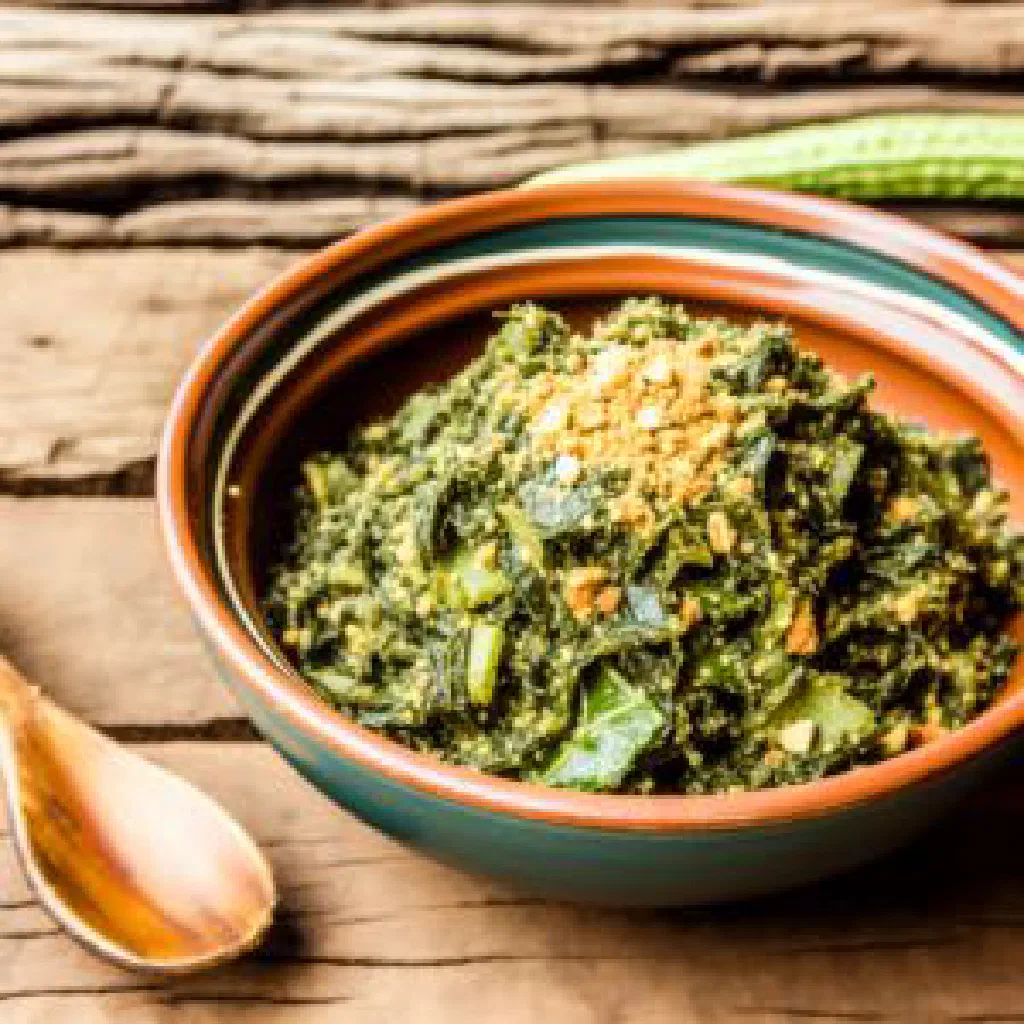
Discover Emaphakatsi, a traditional national dish from Eswatini built on wonderfully honest simplicity. Made from little more than maize meal and water, it delivers a comforting texture and a mild, satisfying flavour that has long been part of Swazi culture. Often served at celebrations and family gatherings, this humble staple makes the perfect base for all manner of sides. Bring a taste of the Kingdom of Eswatini straight into your own kitchen.
About Emaphakatsi
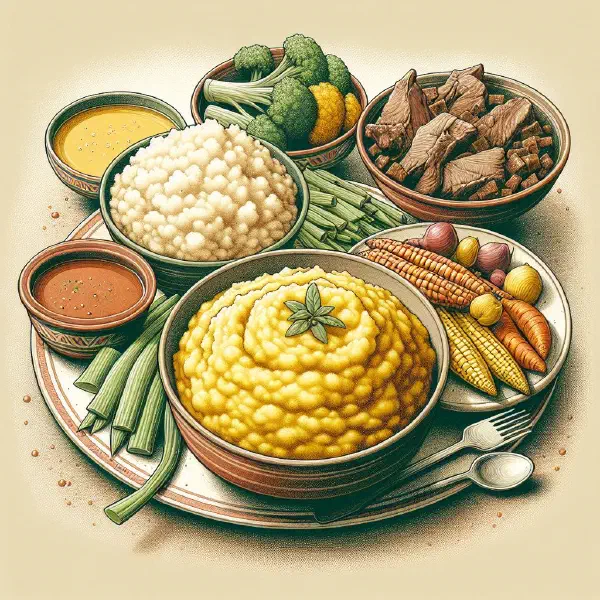
Emaphakatsi is a traditional national dish from Eswatini whose preparation aims for an elegant simplicity. It is made from maize meal and water, which give it a distinctive consistency and a character all of its own. This is a tasty dish and an important part of Swazi culture, frequently served on festive occasions. Because it pairs so willingly with other flavours, it makes an ideal foundation for a wide range of accompaniments and sits comfortably within the broader world of Eswatini cuisine.
Ingredients (serves 1–2)
- 1 cup maize meal
- 2 cups water
- A pinch of salt
Shopping for the ingredients
For Emaphakatsi it is important to choose good-quality maize meal, as this has a big influence on the flavour of the finished dish. You will find it in many supermarkets and in specialist African or Asian grocery shops. Make sure the meal is fresh and free from additives. The water matters too, using filtered water will give you the cleanest, best-tasting result.
Preparing the dish
Preparing Emaphakatsi is quick and straightforward. Begin by mixing the maize meal with some of the water to form a smooth, lump-free paste. If you like, add a pinch of salt to bring out the flavour. Let the mixture rest for a few minutes so the consistency firms up slightly, which makes it easier to work with once it goes into the pan.
Step-by-step instructions
- Bring the water to the boil in a saucepan.
- Once the water is boiling, add the maize meal paste, stirring constantly.
- Reduce the heat and keep stirring until the mixture is thick and free of lumps.
- Take the dish off the heat and let it cool for a few minutes.
- Emaphakatsi can now be shaped into small portions and served.
Gluten-free / lactose-free version
Emaphakatsi is naturally gluten-free and lactose-free, since it is made simply from maize meal and water. That makes it a wonderful option for anyone with food intolerances or particular dietary needs. You can rely on it to give you a wholesome meal that suits a great many people. Just take care that any sides you serve alongside are also free from gluten and lactose.
Tips for vegans and vegetarians
Emaphakatsi is ideal for vegans and vegetarians, as it is entirely plant-based. Serve it with simple vegetable sides or a crisp salad to round out the meal, the fresh greens of an Imfino Salad work especially well. Experiment with different herbs and spices to add flavour and variety, which can make it a real treat for those following a vegan diet.
More tips and tricks
A few pointers for Emaphakatsi: stir the mixture well throughout to keep it lump-free. The dish can also be baked in a mould rather than cooked on the hob, which gives a different texture and eating experience. Variations such as stirring in spices or vegetables can enrich the flavour considerably. Make sure the portions are shaped evenly so they cook and set uniformly.
Adapting the recipe to your taste
The versatility of Emaphakatsi means you can adapt it to suit your own preferences. Change the water-to-maize ratio, for instance, to make the texture softer or firmer. Adding a pinch of seasoning can shift the flavour profile too. For anyone in search of new culinary experiences, this dish offers plenty of scope to make it your own, much as you might with a comforting bowl of Lipalishi.
Ingredient substitutions
If you do not have maize meal to hand, polenta makes a good alternative with similar properties, though the texture will differ slightly. Another option is to reach for other flour alternatives, such as rice flour, bearing in mind that this can change the taste. Experiment with different flours to find your perfect version and discover new flavours along the way, just as you would with a maize-based Sishwala.
Drink pairing ideas
A variety of drinks go beautifully with Emaphakatsi. Traditionally it is often served with a cool, lightly fermented brew or a refreshing herbal tea. These accompany the flavour of the meal and turn eating into a rounded experience. For those who prefer not to drink alcohol, fruit juices or a sparkling lemonade make a tasty choice.
Serving and presentation ideas
The presentation of Emaphakatsi can be lifted with creative arrangements and a scattering of fresh herbs or colourful vegetables. Serve it on an attractive plate and garnish with a touch of coriander or parsley. A thoughtful presentation improves the look of the food and makes the meal feel more festive and inviting for your guests. Sugar-free sauces or spicy dips can add to the display too.
A bit of history
Emaphakatsi has a long tradition in Eswatini and reflects the country’s culinary heritage. It is often eaten as part of feasts and special celebrations, symbolising a connection to Swazi culture and its customs. The preparation of this dish has developed over generations, with each cook adding their own touch. That link to tradition and its communal character make Emaphakatsi something rather special, in the same spirit as a warming bowl of Itshwala.
More recipe ideas
Summary: Emaphakatsi
Emaphakatsi is a delicious and versatile dish from Eswatini that embodies the heart of Swazi culture. It is simple to prepare and leaves plenty of room for personal touches. With the right preparation and presentation, you can create an authentic culinary experience that will pleasure both you and your guests. Let it inspire you, and bring a little piece of Eswatini into your own kitchen.