National Dish Eswatini: Itshwala (Recipe)
In this article
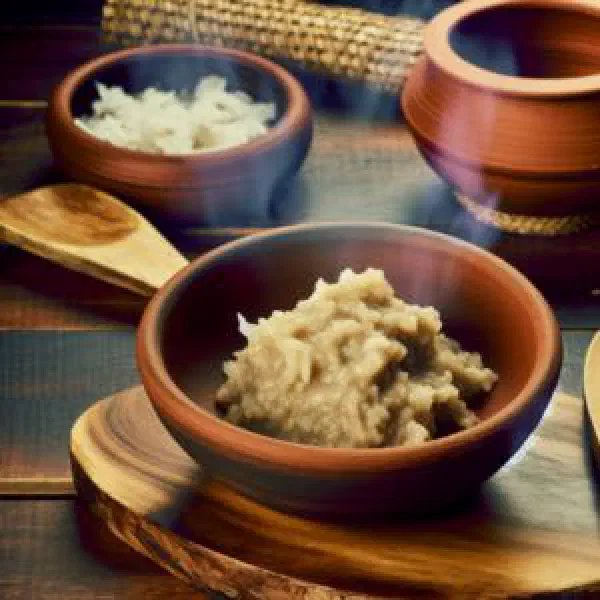
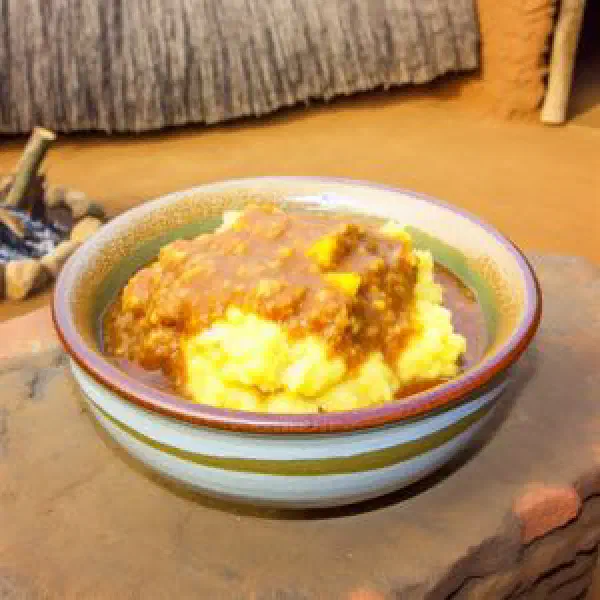
Meet Itshwala, the beloved national dish of Eswatini. This hearty maize meal porridge is a mainstay of Swazi kitchens, prized for its wonderfully filling texture and its gift for turning up at every occasion. Whether it partners a rich meat stew or holds its own alongside fresh vegetables, itshwala carries the warm, earthy flavours of southern Africa straight to your table. Simple to make yet endlessly adaptable, it is comfort food at its most honest.
About Itshwala
Itshwala is a wonderfully versatile dish served across Eswatini at every celebration and as an everyday meal alike. It is known for its satisfying, filling texture and works equally well as a side to meat dishes or on its own with vegetables. The dish has a long tradition and is deeply rooted in the history of Swazi cooking. The way itshwala is prepared can vary from cook to cook, which makes every meal a little different and personal.
Ingredients (serves 1–2)
- 1 cup maize meal
- 3 cups water
- 1/2 teaspoon salt
- Optional: vegetables or meat of your choice
Shopping for the ingredients
The ingredients for itshwala are usually available in any well-stocked supermarket or at local markets. Maize meal is the main component and should be of good quality to achieve the best flavour. Fresh vegetables or meat can be added according to taste to enrich the dish. When you visit local markets, you have the chance to pick fresh, seasonal produce that lifts the whole eating experience.
Preparing the dish
Before you start preparing itshwala, make sure all your ingredients are ready to hand. Measure out the required amount of maize meal and check that you have enough water available. If you would like to include vegetables or meat, prepare these too by cutting them into small pieces. Good preparation is the key to a successful result.
Step-by-step instructions
- Bring the water to the boil in a large pot.
- Add the salt and gently stir in the maize meal, working out any lumps as you go.
- Reduce the heat and let the dish cook, stirring occasionally, until it is thick and creamy.
- Add vegetables or meat to taste and cook for a few more minutes.
- Serve itshwala hot, either straight from the pot or neatly arranged on a plate.
Gluten-free / lactose-free version
For anyone with a gluten intolerance, itshwala is naturally a gluten-free option because it is based on maize meal. Take care to use certified gluten-free maize meal to avoid cross-contamination. The dish also contains no dairy, which makes it ideal for lactose-intolerant eaters. That way everyone can enjoy this delicious dish without any worries about their diet.
Tips for vegans and vegetarians
Itshwala fits easily into a vegan or vegetarian diet. Simply use vegetable stock in place of water for extra flavour. Many people in Eswatini also add beans or lentils to their dishes to boost the nutritional content. There are countless variations that make it easy to cater for different dietary needs, much as you would with a bowl of Umbhidvo Wemfino.
More tips and tricks
To make itshwala especially tasty, you can add different spices or herbs. Cumin and paprika are great options for lending the dish a little more depth. Be sure to stir it regularly while cooking to prevent it from catching on the bottom of the pot. Experiment with the cooking time to find the ideal consistency for your personal taste.
Adapting the recipe to your taste
Itshwala is an extremely versatile dish and can easily be adapted to personal preferences. You can vary the thickness by adding more or less water. The choice of accompaniments can also be changed depending on what is available or what you enjoy most, from a hearty Siswati Beef Stew to lighter greens. Feel free to be creative and try out different ingredients to create your own version of itshwala.
Ingredient substitutions
If you do not have maize meal to hand, you can use polenta or millet as an alternative base. These ingredients offer different flavours and textures while keeping the essential character of itshwala. In addition, various vegetables such as spinach or carrots can be added to make the dish more nourishing. Variations like these bring a fresh twist to the traditional preparation, in the spirit of a comforting Lipalishi.
Drink pairing ideas
Itshwala goes wonderfully with traditional drinks such as cider or fresh fruit juice. A cup of green tea or rooibos tea can also make a delicious accompaniment. If you like something with a little kick, try ginger beer for a fizzy, zesty note. When choosing a drink, aim for one that complements the flavours of the dish rather than overpowering them.
Serving and presentation ideas
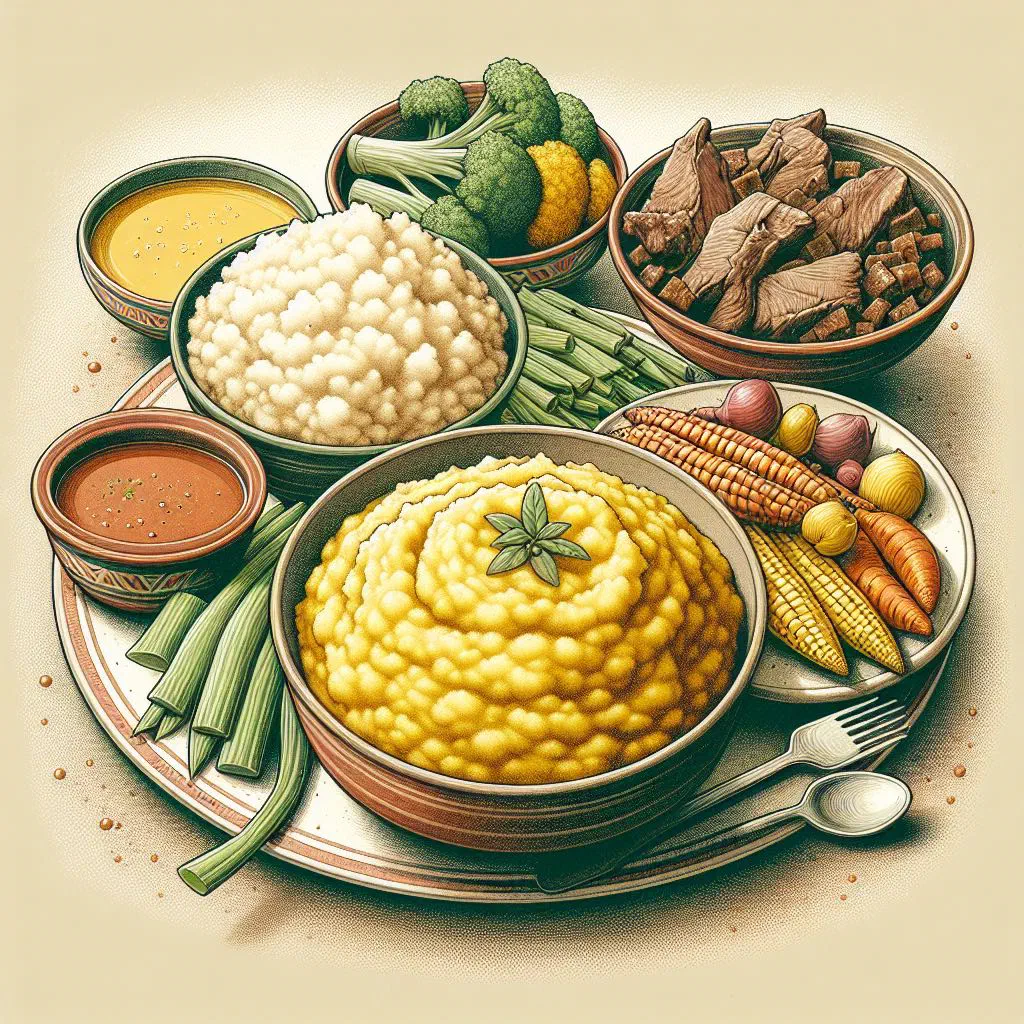
Presentation plays an important role with itshwala. Serve the dish in an attractive bowl and decorate it with fresh herbs such as coriander or parsley to create visual interest. You can also add colourful sides such as roasted vegetables or glossy stews. The right presentation builds anticipation for the meal and turns it into a festive experience.
A bit of history
The roots of itshwala reach far back into the traditions of the Swazi people. It was originally valued by locals as a nourishing food during times of hardship and famine. Over the years the dish has evolved, taking on adaptations to suit regional tastes and ingredients. Today its preparation is a firm part of the culinary identity of Eswatini and reflects the culture and history of the country and its wider Eswatini cuisine.
More recipe ideas
Summary: Itshwala
Itshwala is a simple yet extremely tasty dish that is treasured as a staple food in Eswatini. With its versatile preparation and the scope for adaptation, it is perfect for any occasion. Itshwala brings the flavours and traditions of Eswatini straight into your kitchen. Let it inspire you and give this wonderful dish a try.