National Dish Eswatini: Jeqe (Recipe)
In this article
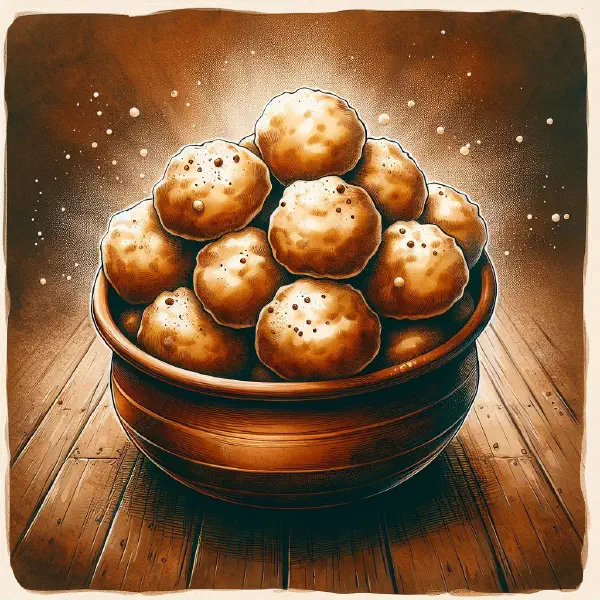
Meet Jeqe, the wonderfully soft steamed bread that sits at the heart of the Eswatini table. With its tender crumb and gently sweet flavour, it is the perfect partner for hearty stews and rich sauces, soaking up every last drop. More than just something to eat, Jeqe is woven into the fabric of everyday life in Eswatini, a humble loaf that brings family and friends together. Best of all, it calls for only a handful of simple ingredients you almost certainly already have to hand.
About Jeqe
Jeqe is a traditional steamed bread from Eswatini that plays a central role in the local kitchen. It has an incredibly tender texture and a subtly sweet taste, which makes it an ideal accompaniment to all sorts of dishes. It is often served alongside hearty stews or sauces, where it soaks up the flavours and enriches the whole meal. In Eswatini, Jeqe is regarded not merely as food but as part of the culture, a dish that brings the community together.
Ingredients (serves 1–2)
- 200 g flour
- 1 tsp baking powder
- 1 tsp sugar
- 1 pinch of salt
- 150 ml water
- 1 tbsp oil (optional)
Shopping for the ingredients
For Jeqe, it is important to choose fresh, good-quality produce. Local markets often offer the best options for flour and other basic ingredients. Make sure the flour is of good quality, since it is the main ingredient of the dish. If you have particular requirements, such as gluten-free alternatives, there are now plenty of options readily available on the market.
Preparing the dish
Preparing Jeqe is quick and straightforward. Begin by combining all the dry ingredients in a bowl and stirring them together well. This ensures that the baking powder and sugar are evenly distributed. Then slowly add the water while stirring continuously, until you have a smooth dough. If you like, you can also add a little oil to round out the flavour.
Step-by-step instructions
- Combine the dry ingredients in a large bowl.
- Slowly add the water and stir well.
- Turn the dough out onto a floured surface and knead briefly.
- Place the dough in a greased tin and cover it.
- Steam in a steamer for about 30 minutes, until the bread is firm and cooked through.
- Once steamed, let the bread cool and cut it into pieces.
Gluten-free / lactose-free version
For a gluten-free version of Jeqe, you can use gluten-free flour, which is available in many supermarkets. Take care that all the ingredients you use are gluten-free, particularly the baking powder. The method stays exactly the same, so you can still enjoy the beloved qualities of the traditional recipe. For a lactose-free variation, simply use the oil and leave out any dairy products.
Tips for vegans and vegetarians
The recipe for Jeqe is naturally vegan and offers a great way to bring plant-based nourishment into your diet. If you enjoy the bread as a side, pair it with a rich vegetable stew or a hearty lentil dish. The tender texture of Jeqe works especially well with vegetables and pulses. Try it with a warming plate of Indumba Yenkukhu. Experiment with different flavours and ingredients to adapt the dish to your own taste.
More tips and tricks
To get the very best out of your Jeqe, the trick is in the steaming. Make sure the water in your steamer is boiling before you add the bread. A tightly closed steamer ensures the heat is distributed evenly. Use the right tin, too, to guarantee even steaming. If you let the Jeqe rest afterwards, it becomes even more flavourful and the texture improves.
Adapting the recipe to your taste
The simple ingredients of Jeqe offer plenty of scope for adaptation. You can add herbs or spices such as cumin or coriander to create interesting aromas. The sweetness can be varied too, for a sweeter version, add more sugar or honey. You might also consider mixing ingredients such as cooked sweet potato or pumpkin into the dough to make it more nourishing.
Ingredient substitutions
Different types of flour can be used to make Jeqe. Instead of wheat flour, you could try maize or rice flour for variety. This is especially interesting for anyone with a wheat allergy. When it comes to liquids, you can also use plant-based milk or stock in place of water to add extra flavour, much as you would to build depth in a bowl of Itshwala.
Drink pairing ideas
Jeqe pairs beautifully with a wide range of drinks. A fresh fruit shake or a fruity iced tea complements the bread perfectly, while a simple water with lemon lightens the flavours. If you prefer an alcoholic drink, a light beer would be an excellent choice. Traditional drinks such as sorghum beer could also make an interesting companion.
Serving and presentation ideas
To serve your Jeqe in style, you can arrange it on a large plate surrounded by colourful vegetables or delicious sauces. A little fresh coriander or parsley can lend the dish a touch of elegance. You could also cut the bread into neat pieces and serve it on a rustic wooden board, a dish like Emaphakatsi makes a lovely companion on the table.
A bit of history
Jeqe has its origins in Eswatini culture and has been prepared in local kitchens for generations. It is an everyday food and part of a cultural heritage passed down from generation to generation. Making Jeqe is often bound up with family traditions, where cooking and sharing food together take centre stage. This brings friends and family together and creates memorable memories, a spirit shared across all of Eswatini cuisine.
More recipe ideas
Summary: Jeqe
To discover the delicious secrets of Eswatini cuisine, Jeqe is a must. This traditional steamed bread is easy to make and perfect as an accompaniment to many dishes. With its gentle texture and subtly sweet flavour, it brings a unique taste of Eswatini into your kitchen. Let this recipe inspire you and give it a try, to experience the authentic flavours of Eswatini for yourself.